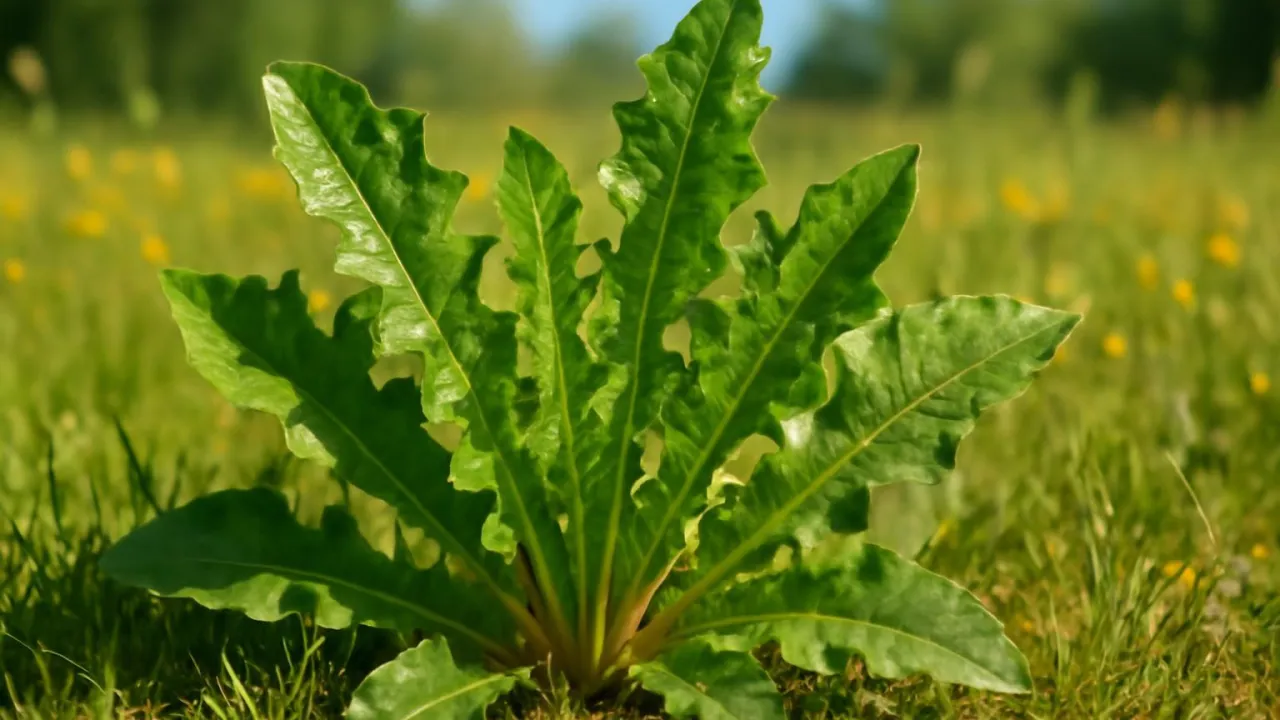
Dandelion greens have more vitamin A and C than many other leafy vegetables!
✨ Word Sparks (Grade 2 Glossary)
Tap 🔊 to hear
moist
A little wet but not too much water
vitamin
A nutrient that helps your body grow strong
jagged
Having sharp, uneven edges or points
🪝
Have you ever tasted the leafy green from a dandelion flower?
1
What Dandelion Leaves Look Like
Dandelion leaves are bright green and have edges that look like teeth. They grow close to the ground in a round shape. The leaves can grow up to 12 inches long in some places.
2
Where Dandelions Grow and Live
Dandelions grow in many places like fields, gardens, and lawns. They like sunny spots and need soil to grow well. These plants can live in many different climates around the world.
3
Why People Eat Dandelion Greens
People eat dandelion greens in salads or cooked dishes because they are healthy. The leaves taste a little bitter but have many . They help the body stay strong and healthy every day.
Dandelion greens contain more calcium than milk and more potassium than bananas!
✨ Word Sparks (Grade 3 Glossary)
Tap 🔊 to hear
photosynthesis
How plants use sunlight to make food
taproot
A big root that grows deep into the soil
pollinator
An animal that helps plants make seeds
🪝
Did you know dandelion greens are a superfood that helps plants and people?
1
Dandelion Leaf Shape and Function
Dandelion leaves have jagged edges that help them catch sunlight better. Their bright green color means they have lots of chlorophyll for . These leaves grow in a rosette close to the ground to avoid strong winds. This shape helps the plant survive in many environments.
2
Where Dandelions Live and Grow
Dandelions grow in temperate regions worldwide, from fields to gardens. They prefer sunny habitats with moist soil that provides nutrients. These plants are hardy and can survive in disturbed soils where other plants struggle. Their deep helps them get water and nutrients from deep underground.
3
How Dandelion Greens Help People
People eat dandelion greens for their rich vitamins and minerals that support health. The leaves contain vitamin A, C, and calcium, which help bones and eyes. Their slightly bitter taste comes from natural compounds that aid digestion. Eating these greens can improve nutrition and support the immune system.
4
Dandelions in Nature and Adaptations
Dandelions use their bright yellow flowers to attract like bees and butterflies. Their seeds have fluffy parachutes that help them spread far by wind. This adaptation allows dandelions to colonize new areas quickly. Their ability to grow almost anywhere makes them a common and important plant.
Dandelion greens contain more potassium per serving than a banana and more calcium than milk!
✨ Word Sparks (Grade 4 Glossary)
Tap 🔊 to hear
biodiversity
Many different kinds of plants and animals living together
detoxification
How the body removes harmful substances
colonization
When plants spread and grow in new places
🪝
How do dandelion greens impact ecosystems and human health worldwide?
1
Dandelion Leaf Adaptations and Survival
Dandelion leaves have jagged edges and grow in a rosette close to the ground, which reduces water loss and wind damage. Their bright green color indicates high chlorophyll content, enabling efficient photosynthesis even in varying sunlight. These adaptations help dandelions thrive in disturbed soils and urban environments. Their deep taproot allows them to access water and nutrients unavailable to many plants.
2
Role in Ecosystems and Food Webs
Dandelions provide early spring nectar and pollen for pollinators like bees and butterflies, supporting . Their seeds spread widely by wind, allowing rapid of open spaces and disturbed habitats. Dandelions also serve as food for some herbivores, linking them to local food webs. Their presence can improve soil health by breaking up compacted earth with their roots.
3
Human Uses and Nutritional Benefits
Humans harvest dandelion greens for salads and cooked dishes because they are rich in vitamins A, C, and K, as well as minerals like calcium and potassium. These nutrients support bone health, immune function, and digestion. The slightly bitter flavor comes from compounds that may aid liver . Cultivating dandelions can reduce the need for commercial vegetables in some diets.
4
Geographic Distribution and Environmental Impact
Dandelions are native to Eurasia but now grow worldwide in temperate climates, including North America and Europe. Their ability to thrive in diverse environments makes them common in urban, rural, and wild areas. While sometimes considered weeds, they contribute positively to ecosystems by supporting pollinators and improving soil. Their resilience also makes them useful in ecological restoration projects.
Dandelion greens provide more vitamin A per 100 grams than spinach and spread thousands of seeds by wind!
✨ Word Sparks (Grade 5 Glossary)
Tap 🔊 to hear
inflorescence
A group of flowers on one stem
sesquiterpene lactones
Bitter chemicals that protect plants from animals
aerate
To let air into soil or plants
🪝
What makes dandelion greens a vital plant in science, nutrition, and ecosystems worldwide?
1
Scientific Classification and Botanical Features
Dandelion greens belong to the species Taraxacum officinale within the Asteraceae family, known for composite flowers. These perennial herbs produce basal rosettes of deeply lobed, jagged leaves that maximize photosynthetic efficiency. Their bright yellow attract diverse pollinators, while their wind-dispersed seeds ensure wide geographic spread. This species exhibits remarkable adaptability to various soil types and climates globally.
2
Physiological Adaptations and Growth Mechanics
Dandelions develop a strong taproot system that penetrates deeply into the soil, allowing access to water and minerals during droughts. Their leaves contain high chlorophyll levels, enabling efficient photosynthesis even under partial shade. The plant’s bitter compounds, including , deter herbivores and support liver detoxification in humans. Dandelions complete their life cycle rapidly, producing seeds within weeks after flowering.
3
Nutritional Value and Human Uses
Dandelion greens are rich sources of vitamins A, C, and K, as well as calcium, potassium, and iron, surpassing many common leafy vegetables in nutrient density. Their consumption supports bone health, immune function, and antioxidant defense. Historically, dandelions have been used in traditional medicine and culinary dishes worldwide. Modern research explores their potential benefits in liver health and digestion.
4
Ecological Role and Environmental Impact
Dandelions contribute significantly to early-season pollinator nutrition by providing nectar and pollen when few other flowers bloom. Their deep roots soil and improve nutrient cycling, benefiting surrounding plants. Despite being labeled as weeds, they play crucial roles in urban and rural ecosystems by supporting biodiversity and soil health. Their rapid colonization abilities make them important in ecological restoration and erosion control.
5
Quantitative Comparisons and Conservation
Dandelion taproots can grow over 10 inches deep, allowing survival in drought conditions where other plants fail. A single plant can produce thousands of seeds dispersed over miles by wind. Nutrient-wise, dandelion greens contain about 535 IU of vitamin A per 100 grams, surpassing spinach. Conservation efforts focus on balancing dandelion’s role as a food source and managing them in agricultural settings to prevent crop competition.