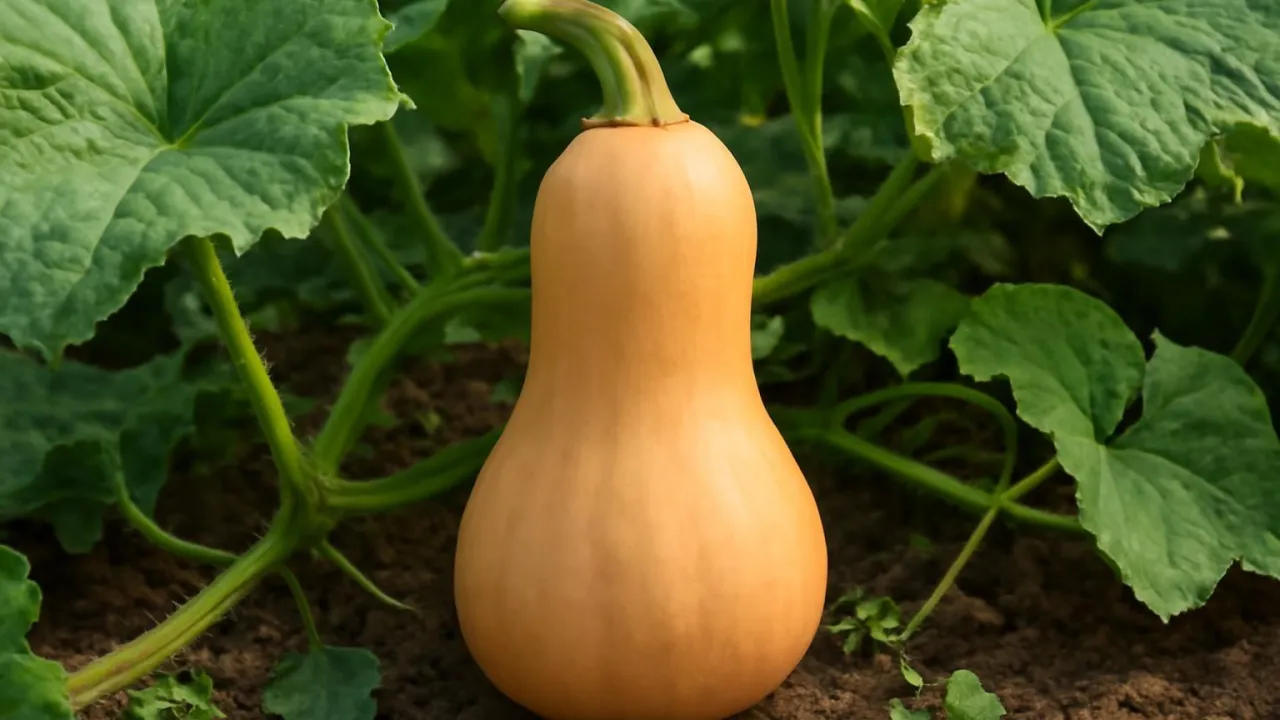
The thick skin of butternut squash helps it stay fresh for many months after harvest.
✨ Word Sparks (Grade 2 Glossary)
Tap 🔊 to hear
harvest
When farmers pick ripe fruits or vegetables
vine
A plant stem that grows along the ground
nutty
Tastes like nuts, rich and warm
🪝
Have you ever seen a vegetable shaped like a bell or a pear?
1
What Butternut Squash Looks Like
Butternut squash is smooth and orange with a shape like a bell or pear. It grows to about one foot long and is heavy when ripe. The skin is thick and hard, which helps keep it fresh for a long time.
2
Where It Grows and Grows
This squash grows on that spread across the ground in warm gardens. It needs plenty of sunlight and water to grow big and strong. Farmers plant it in summer and it in fall when the skin turns deep orange.
3
A Sweet and Nutty Flavor
People cook butternut squash in many ways, like roasting or making soup. Its sweet and taste makes it a favorite in many dishes. The soft inside is orange and smooth when cooked.
Butternut squash’s thick skin acts like armor, protecting it from pests and damage.
✨ Word Sparks (Grade 3 Glossary)
Tap 🔊 to hear
camouflage
To blend in with surroundings to hide
pollination
When bees help flowers make fruit
nutrients
Food parts plants need to grow
🪝
Did you know butternut squash has a special shape that helps it grow safely?
1
Shape and Color Help Survival
Butternut squash has a bell-shaped body that protects its seeds inside. Its smooth, thick orange skin acts as to blend with fallen leaves. This helps protect it from predators like insects and animals. The bright orange color signals ripeness to humans and animals.
2
Growing on Vines in Warm Places
This squash grows on long vines that spread across warm garden soil. The vines produce large leaves that shade the fruit and keep it cool. Butternut squash needs sunlight and water to absorb for growth. These adaptations help it survive in its environment.
3
From Flower to Fruit
The plant starts with yellow flowers that attract pollinators like bees. helps the flowers turn into squash fruits. The fruit grows slowly, gaining size and sweetness over months. This life cycle is important for the plant’s reproduction and survival.
4
A Nutty Flavor and Healthy Food
Butternut squash is rich in vitamins and fiber that help people stay healthy. Its sweet, nutty flavor makes it popular in soups and roasted dishes. Cooking softens the flesh, making it easy to eat and digest. This vegetable plays an important role in human diets worldwide.
How does butternut squash help gardens and people around the world?
1
Adaptations for Survival
Butternut squash’s thick, smooth skin protects it from pests and harsh weather conditions. Its bell shape allows it to rest safely on the ground without damage. The large leaves on its vines provide shade that reduces water loss and keeps the fruit cool. These adaptations help it thrive in warm climates.
2
Role in Ecosystems
This squash is part of many food webs, feeding animals like deer and squirrels who eat the fruit or seeds. Its flowers provide nectar for pollinators such as bees and butterflies, creating a relationship. Farmers benefit from growing butternut squash because it enriches soil with after harvest.
3
Growing Regions and Farming
Butternut squash is grown worldwide, especially in North America, Central America, and parts of Africa. It prefers warm, sunny environments with well-drained soil. Farmers plant seeds in spring and harvest mature squash in late summer or fall. Proper watering and sunlight are critical for healthy growth.
4
Human Uses and Benefits
People use butternut squash in many recipes, including soups, stews, and roasted dishes. It is a nutritious food rich in vitamins A and C, fiber, and antioxidants. Its long shelf life makes it valuable for storage and food security. This vegetable supports healthy diets and sustainable farming practices worldwide.
1. What helps butternut squash keep water and stay cool?
2. How does butternut squash help farmers?
🤯 Mind-Blowing Fact • Grade 5
Butternut squash’s dense flesh contains high levels of vitamin A, supporting healthy vision worldwide.
✨ Word Sparks (Grade 5 Glossary)
Tap 🔊 to hear
Cucurbitaceae
The plant family that includes squashes and pumpkins
carotenoids
Pigments that give orange color and help health
genetic diversity
Different genes that help plants survive changes
🪝
What makes butternut squash a remarkable vegetable in science and farming?
1
Scientific Classification and Origins
Butternut squash belongs to the species Cucurbita moschata, native to Central and South America. It is part of the family, which includes pumpkins and other squashes. This species was domesticated thousands of years ago and spread worldwide due to its valuable traits. Its helps farmers breed varieties resistant to pests and diseases.
2
Physiological Features and Growth
This squash grows on trailing vines that can reach several feet in length, producing large leaves that help shade the fruit. The thick rind protects the fruit from physical damage and dehydration, allowing it to store well for months. Inside, the flesh is dense and rich in , which give it its bright orange color and high vitamin A content.
3
Ecological and Agricultural Importance
Butternut squash plays a key role in agroecosystems by supporting pollinators such as bees and butterflies through its nectar-rich flowers. Its cultivation improves soil health by adding organic matter after harvest, enhancing nutrient cycling. Sustainable farming practices involving butternut squash help reduce pesticide use and promote biodiversity on farms.
4
Conservation and Botanical History
Conservation efforts focus on preserving heirloom varieties of butternut squash to maintain . Botanical studies trace its domestication back several millennia, revealing its importance in indigenous agriculture. Seed banks worldwide store butternut squash seeds to protect against genetic erosion. These efforts ensure future food security and crop resilience.
5
Quantitative Comparisons and Uses
Butternut squash fruits typically weigh between 2 and 5 pounds (0.9 to 2.3 kilograms) and grow up to 12 inches (30 centimeters) long. It stores well at temperatures between 50 and 55 degrees Fahrenheit (10 to 13 degrees Celsius) for up to six months. Compared to other winter squashes, it has a sweeter flavor and softer texture, making it popular in culinary uses worldwide.