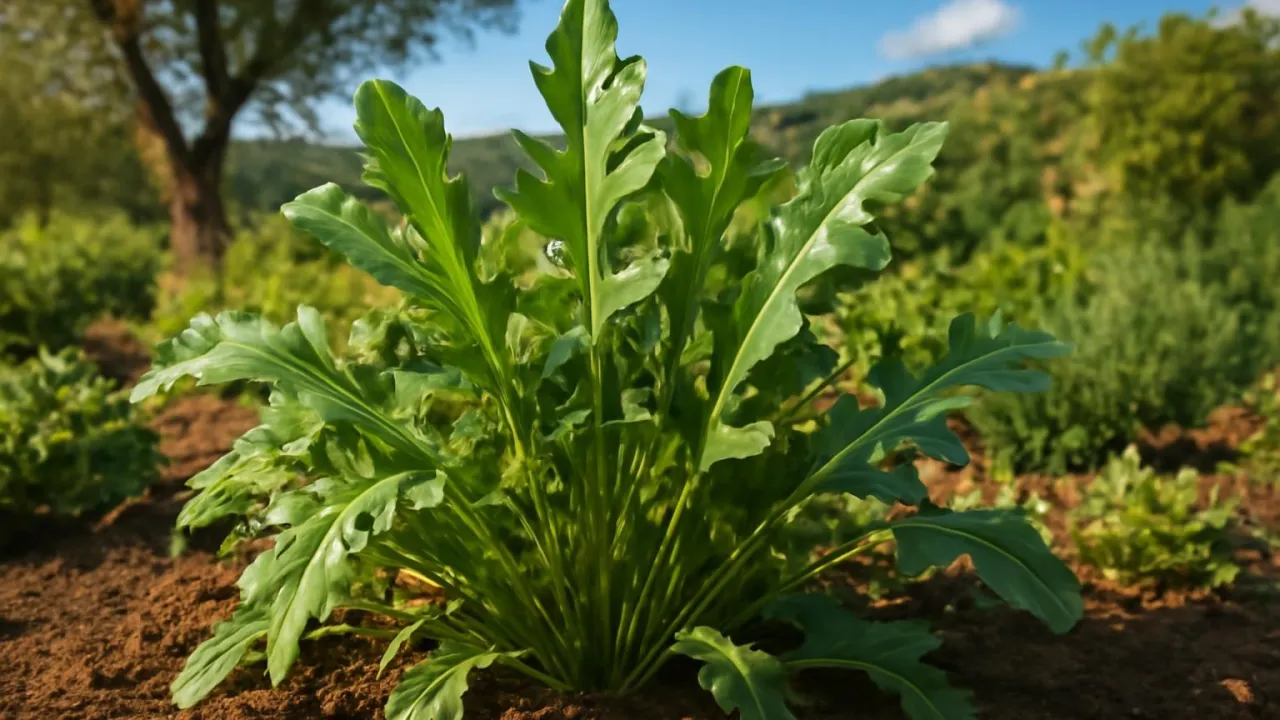
Arugula’s spicy flavor comes from special natural oils called glucosinolates!
✨ Word Sparks (Grade 2 Glossary)
Tap 🔊 to hear
peppery
A spicy taste like black pepper
sunlight
Light from the sun that plants need
garden
A place where people grow plants
🪝
Have you ever tasted a leaf that feels spicy in your mouth?
1
Arugula’s Bright Leaves
Arugula leaves are bright green and have a smell. They grow in a where the sun shines. The leaves have a soft texture and tiny bumps that you can feel.
2
Where Arugula Grows
Arugula grows best in warm places with plenty of . It needs water from the soil to grow tall and healthy. This plant grows quickly and can be ready to eat in just a few weeks.
3
A Spicy Taste Surprise
When you eat arugula, it tastes spicy and fresh like pepper. People add it to salads and sandwiches to make food more exciting. Kids can try it too and discover a new flavor.
The spicy taste in arugula comes from glucosinolates, chemicals that protect the plant!
✨ Word Sparks (Grade 3 Glossary)
Tap 🔊 to hear
adaptation
A change that helps plants survive better
pollination
When bees help plants make seeds
nutrients
Food parts plants and people need to grow
🪝
Did you know arugula’s spicy flavor helps protect it from hungry bugs?
1
Arugula’s Unique Leaves
Arugula has bright green leaves that are soft and lobed, helping it catch sunlight efficiently. The leaves contain natural oils that give a spicy taste and act as a defense against predators. This helps arugula survive in gardens and wild areas. The shape of the leaves also helps reduce water loss during hot days.
2
Growing in the Right Place
Arugula thrives in sunny, warm habitats like the Mediterranean region. It grows quickly from seed to mature plant within a few weeks. The plant needs nutrient-rich soil and moderate water to stay healthy. Its fast growth helps it avoid being eaten by insects and animals.
3
A Role in Pollination
Arugula produces small white flowers that attract pollinators such as bees and butterflies. helps the plant make seeds for new plants to grow. This process is vital for arugula’s life cycle and survival. The flowers also add beauty to gardens and fields.
4
Yummy and Healthy
People enjoy eating arugula in salads and sandwiches because of its peppery flavor. It is rich in like vitamins A and C, which help keep people healthy. The spicy taste also makes food more exciting and flavorful. Arugula is a tasty way to add greens to meals.
1. Why does arugula have spicy oils in its leaves?
2. What helps arugula make seeds?
🤯 Mind-Blowing Fact • Grade 4
Arugula’s spicy chemicals help shape garden food webs and support pollinators.
✨ Word Sparks (Grade 4 Glossary)
Tap 🔊 to hear
glucosinolates
Natural chemicals that give plants a spicy taste
ecosystem
All living things and their homes working together
pollinators
Animals like bees that help plants make seeds
🪝
How does arugula’s peppery flavor affect the garden’s food web?
1
Arugula’s Defense and Growth
Arugula produces , natural chemicals that give it a peppery taste and protect it from many herbivores. This defense reduces damage from insects and animals, allowing the plant to grow and reproduce successfully. Arugula thrives in Mediterranean climates where warm temperatures and well-drained soils support its growth. Its quick life cycle helps it avoid prolonged exposure to pests and harsh weather.
2
Role in the Ecosystem
Arugula serves as a food source for some insects that have adapted to tolerate its spicy chemicals, creating a balanced food web. like bees visit its flowers, aiding seed production and supporting biodiversity. Additionally, arugula contributes to soil health by adding organic matter when it decomposes. Farmers often include arugula in crop rotations to manage pests naturally and improve soil nutrients.
3
Geographic Distribution
Originally native to the Mediterranean region, arugula is now cultivated worldwide in temperate climates. It grows well in home gardens and commercial farms across North America, Europe, and Asia. Its adaptability to different soils and climates makes it a popular leafy green vegetable. However, arugula prefers sunny locations with moderate water and well-drained soil for optimal growth.
4
Human Uses and Benefits
Humans enjoy arugula for its distinctive peppery flavor, which enhances salads, sandwiches, and cooked dishes. It is rich in vitamins A, C, and K, supporting human health and nutrition. Arugula’s spicy taste also encourages people to eat more leafy greens, promoting a balanced diet. Its cultivation supports sustainable agriculture by reducing the need for chemical pesticides.
1. What does arugula’s spicy taste protect it from?
2. Why do pollinators visit arugula flowers?
🤯 Mind-Blowing Fact • Grade 5
Arugula’s glucosinolates break down into spicy compounds that protect the plant and flavor food.
✨ Word Sparks (Grade 5 Glossary)
Tap 🔊 to hear
glucosinolates
Natural chemicals in plants that taste spicy and protect them
photosynthesis
How plants use sunlight to make food from air and water
taxonomic
How scientists group plants and animals by their traits
🪝
What makes arugula a fascinating plant in science and cooking?
1
Scientific Classification and Origins
Arugula, scientifically named Eruca vesicaria, belongs to the Brassicaceae family, which includes mustard and cabbage. It originated in the Mediterranean basin, where it has been cultivated since ancient times for its peppery leaves. The plant’s taxonomy places it among cruciferous vegetables known for their health benefits and pungent flavors. Understanding its classification helps scientists study its genetics and agricultural traits.
2
Physiological Mechanics and Defense
Arugula produces , sulfur-containing compounds that break down into isothiocyanates, creating its characteristic peppery flavor and pungent aroma. These chemicals act as natural pesticides by deterring herbivores and inhibiting microbial growth. The plant’s lobed leaves optimize by increasing surface area while minimizing water loss through stomatal regulation. This physiological adaptation allows arugula to thrive in warm, dry Mediterranean climates.
3
Conservation and Agricultural History
While arugula is widely cultivated today, wild populations face habitat loss due to urbanization and agriculture expansion. Conservation efforts focus on preserving genetic diversity through seed banks and sustainable farming practices. Historically, arugula was prized by ancient Romans and Egyptians for medicinal and culinary uses, influencing modern dietary habits. Its ongoing cultivation supports biodiversity and offers potential for breeding disease-resistant varieties.
4
Quantitative Comparisons and Growth
Arugula typically grows between 6 to 24 inches tall and can mature in as little as 30 days under ideal conditions. It prefers temperatures ranging from 45 to 65 degrees Fahrenheit for optimal leaf development. Compared to other leafy greens, arugula’s glucosinolate content is higher, contributing to its stronger flavor profile. Its rapid growth cycle makes it a valuable crop for quick harvests in both home gardens and commercial farms.
5
Nutritional and Culinary Impact
Arugula is rich in vitamins A, C, and K, providing antioxidants and supporting immune health. Its peppery taste enhances salads, pastas, and pizzas, making it a versatile culinary ingredient worldwide. The plant’s bioactive compounds are studied for potential cancer-preventive properties. As a low-calorie leafy green, arugula encourages healthy eating habits and adds nutritional value to diverse diets.