Acorn squash seeds can be roasted for a healthy, crunchy snack.
✨ Word Sparks (Grade 2 Glossary)
Tap 🔊 to hear
ridges
Raised lines on the squash skin
harvest
Time when farmers pick ripe plants
roast
Cook food in an oven with heat
🪝
Have you ever seen a squash shaped like an acorn?
1
How Does Acorn Squash Look?
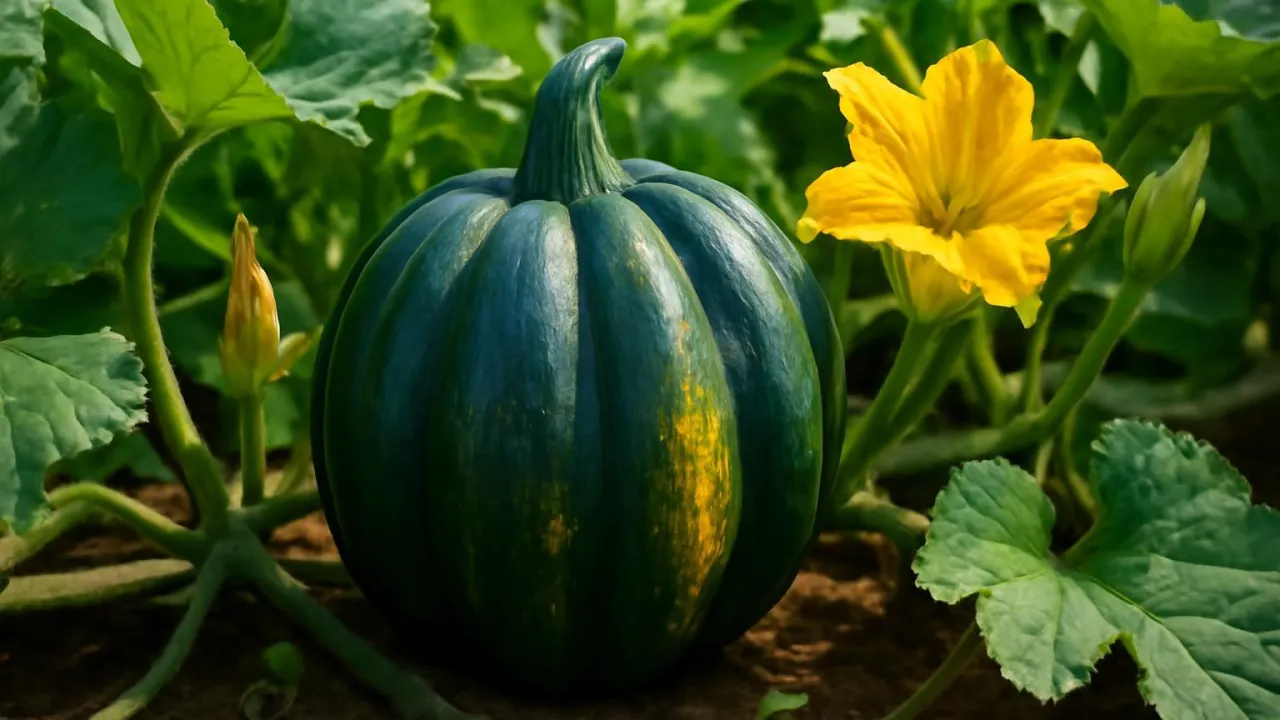
Acorn squash has a dark green skin with all around. It looks like a tiny green pumpkin with a pointed end. The inside is bright orange and soft when cooked.
2
Where Does It Grow?
Acorn squash grows best in warm places with lots of sun. Farmers plant it in gardens and fields during summer. It needs regular watering to grow big and healthy.
3
What Makes It Special?
The squash has sweet, nutty flesh that tastes great when baked. People often it or steam it for meals. Its hard skin protects the soft inside until .
Acorn squash is part of the same plant family as pumpkins and cucumbers.
✨ Word Sparks (Grade 3 Glossary)
Tap 🔊 to hear
camouflage
Colors that help hide something
nutrients
Good stuff plants and animals need
ecosystem
A place where plants and animals live
🪝
Did you know acorn squash has a hard shell that protects its sweet inside?
1
Appearance and Adaptation
Acorn squash has a tough, ridged shell that helps protect it from animals. Its dark green skin it among leaves. The bright orange flesh inside is rich in . This adaptation helps it survive until harvest time.
2
Growing and Harvesting
Acorn squash grows on vines in warm climates with plenty of sun. It requires good soil and regular watering to get . Farmers harvest it in late summer or early fall. The hard shell keeps the squash fresh after picking.
3
Role in Ecosystems
Acorn squash provides food for many animals like squirrels and deer. Its seeds help new plants grow when dropped in soil. People also use it in cooking for its sweet flavor. This vegetable plays a role in food webs and farming.
4
Interesting Features
The ridges on the squash increase its surface area to help it dry faster. Its seeds are edible and nutritious when roasted. Acorn squash is a type of winter squash, storing energy for cold seasons. These features make it a valuable crop.
Acorn squash’s hard shell helps it stay fresh for months after harvest, unlike many other vegetables.
✨ Word Sparks (Grade 4 Glossary)
Tap 🔊 to hear
pollinate
Help plants make seeds by moving pollen
biodiversity
Many different kinds of plants and animals
nutritious
Food that helps you grow strong and healthy
🪝
How does acorn squash’s shape help it survive in nature and farming?
1
Physical Adaptations and Survival
Acorn squash’s ridged, hard shell acts as a natural armor that protects it from pests and harsh weather. Its dark green color camouflages it among leaves, reducing the chance of being eaten by animals. The squash’s shape allows it to rest steadily on the ground without rolling away. These traits increase its chances of reaching maturity and being harvested.
2
Growth Conditions and Farming Impact
Acorn squash thrives in warm climates with full sunlight and well-drained soil, which farmers carefully maintain to ensure healthy growth. Regular watering and nutrient-rich soil promote strong vines and large fruits. Farming acorn squash supports local economies and provides food for many communities. However, overuse of pesticides can harm beneficial insects that help these plants.
3
Role in Food Webs and Ecosystems
In natural ecosystems, acorn squash serves as food for animals such as squirrels, deer, and birds, which also help spread its seeds. Its seeds contribute to new plant growth, supporting . Humans harvest acorn squash for cooking, which connects agriculture to human nutrition. This vegetable plays an important role in both wild and farm ecosystems.
4
Geographic Distribution and Uses
Originally native to North and Central America, acorn squash is now grown worldwide in temperate climates. It is popular in winter dishes because it stores well after harvest. Chefs use it in soups, casseroles, and roasted vegetable mixes due to its sweet, nutty flavor. Its versatility makes it a favorite in many cultures.
1. Why does acorn squash’s hard shell help farmers?
2. Which animals help spread acorn squash seeds?
🤯 Mind-Blowing Fact • Grade 5
Acorn squash seeds can remain viable for planting up to five years under proper storage conditions.
✨ Word Sparks (Grade 5 Glossary)
Tap 🔊 to hear
Cucurbitaceae
Plant family with pumpkins and squash
photosynthesis
How plants make food from sunlight
heirloom
Old plant types saved by farmers
🪝
What makes acorn squash a fascinating member of the Cucurbitaceae family with unique survival traits?
1
Taxonomy and Botanical Characteristics
Acorn squash (Cucurbita pepo) belongs to the family, which includes pumpkins, cucumbers, and melons. It is classified as a winter squash because it matures late and stores well through cold months. Botanically, it is a fruit because it develops from the flower’s ovary and contains seeds. Its ridged, acorn-like shape distinguishes it from other squash varieties.
2
Physiological Mechanics and Growth
The plant grows on sprawling vines that produce large leaves to capture sunlight efficiently for . Its thick, hard rind protects the inner flesh from dehydration and pests, allowing it to store energy as starches and sugars. During growth, the squash requires temperatures between 70 and 85 degrees Fahrenheit for optimal development. The seeds inside are nutrient-dense and can remain viable for planting up to five years.
3
Conservation and Agricultural History
Native to North and Central America, acorn squash has been cultivated for thousands of years by indigenous peoples. Modern farming techniques have improved yield and pest resistance, but conserving varieties remains important for genetic diversity. Sustainable farming practices help reduce pesticide use and maintain soil health, supporting long-term production. Efforts to educate consumers about winter squash benefits have increased its popularity.
4
Quantitative Comparisons and Uses
Acorn squash typically weighs between 1 and 3 pounds (0.5 to 1.4 kilograms) and measures 4 to 7 inches (10 to 18 centimeters) in length. It stores well at temperatures around 50 degrees Fahrenheit for up to three months. Compared to summer squashes, acorn squash has a firmer texture and sweeter flavor due to higher sugar content. It is commonly used in baked dishes, soups, and purees worldwide.
5
Ecological Role and Nutritional Benefits
Acorn squash plays an important ecological role by providing food for wildlife and supporting pollinator populations through its flowers. Its flesh is rich in vitamins A and C, fiber, and antioxidants, contributing to human health. The seeds contain healthy fats and proteins, making them a nutritious snack. By growing acorn squash sustainably, farmers help maintain biodiversity and food security.