👷 CAREERS
💼 Public Utilities, Environmental Chemistry & Hydrology
VA Economics, Civics & Career Readiness SOL K.8, 1.8, 2.8, 3.9
Water Treatment Specialist
Guarding Crystal-Clear Water for Every Tap
Grade 2 • Developing • 106 words
🧭 Career FieldMunicipal Water Utilities, Public Health & Environmental Protection
🛠️ Key Tools & SkillsSand & carbon filters, UV light chambers, pH meters, microscopes, and SCADA control panels
🏢 WorkplaceDrinking-water filtration plants, reservoirs, testing labs, and water-reclamation centers
⚡ Everyday Impact SparkTransforms muddy river or lake water into sparkling, safe drinking water flowing to every kitchen sink and fire hydrant
🤯 Mind-Blowing Fact • Grade 1
The exact same water molecules flowing from your faucet today were once sipped by dinosaurs millions of years ago!
✨ Word Sparks (Grade 1 Glossary)
Tap 🔊 to hear
filter
a screen or sand layer that traps dirt
reservoir
a big lake that stores a town's water
pure
clean, clear, and free from harmful germs
🪝
How does muddy river water turn sparkling clean before reaching your cup?
1
Turn On the Tap!
Whoosh! Cool, clear water fills your glass at the kitchen sink. Where did it come from? A water treatment specialist cleaned every drop so it is safe to drink!
2
Screens and Sand Beds
First, big screens catch sticks and leaves from river water. Next, the water trickles through deep beds of clean sand and gravel.
3
Tested Every Hour
Specialists test jars of water in bright labs all day and night to keep your town healthy!
1. What do big metal screens catch first when river water enters a treatment plant?
2. Why do water treatment specialists test water samples in a lab?
🤯 Mind-Blowing Fact • Grade 2
A typical town water tower holds around one million gallons of clean drinking water—enough to fill 25 backyard swimming pools!
✨ Word Sparks (Grade 2 Glossary)
Tap 🔊 to hear
chlorine
a safe purifier that stops germs in water
gravity
Earth's downward pull that pushes tower water through pipes
charcoal
special black carbon granules that remove bad odors
🪝
Why do cities build tall water towers high up in the sky?
1
Cleaning Millions of Gallons
Every time you brush your teeth, boil pasta, or fill a pet bowl, clean water rushes through hidden underground pipes! Making sure that water stays fresh 24 hours a day is the job of a water treatment specialist.
2
Clumping Dirt and Zapping Germs
At the water plant, specialists stir in safe helpers that make tiny bits of mud stick together into heavy clumps and sink to the bottom. Then the clear water passes through sand and filters before ultraviolet light or a tiny pinch of zaps invisible germs.
3
Gravity From Water Towers
Finally, giant pumps push clean water up into tall water towers so keeps strong pressure ready for homes and fire hydrants!
1. Why are municipal water towers built so high off the ground?
2. What happens when tiny mud specks stick together into heavy clumps at the plant?
🤯 Mind-Blowing Fact • Grade 3
One pound of granular activated carbon inside a water filter has so many microscopic tunnels that its inner surface area equals more than 100 football fields!
✨ Word Sparks (Grade 3 Glossary)
Tap 🔊 to hear
coagulation
making tiny dirt particles clump together into flakes
sedimentation
letting heavy clumps sink quietly to the bottom
turbidity
a measurement of how cloudy or clear water looks
🪝
What are the two halves of a town's water team—before your sink AND after the drain?
1
Guardians of the Urban Water Cycle
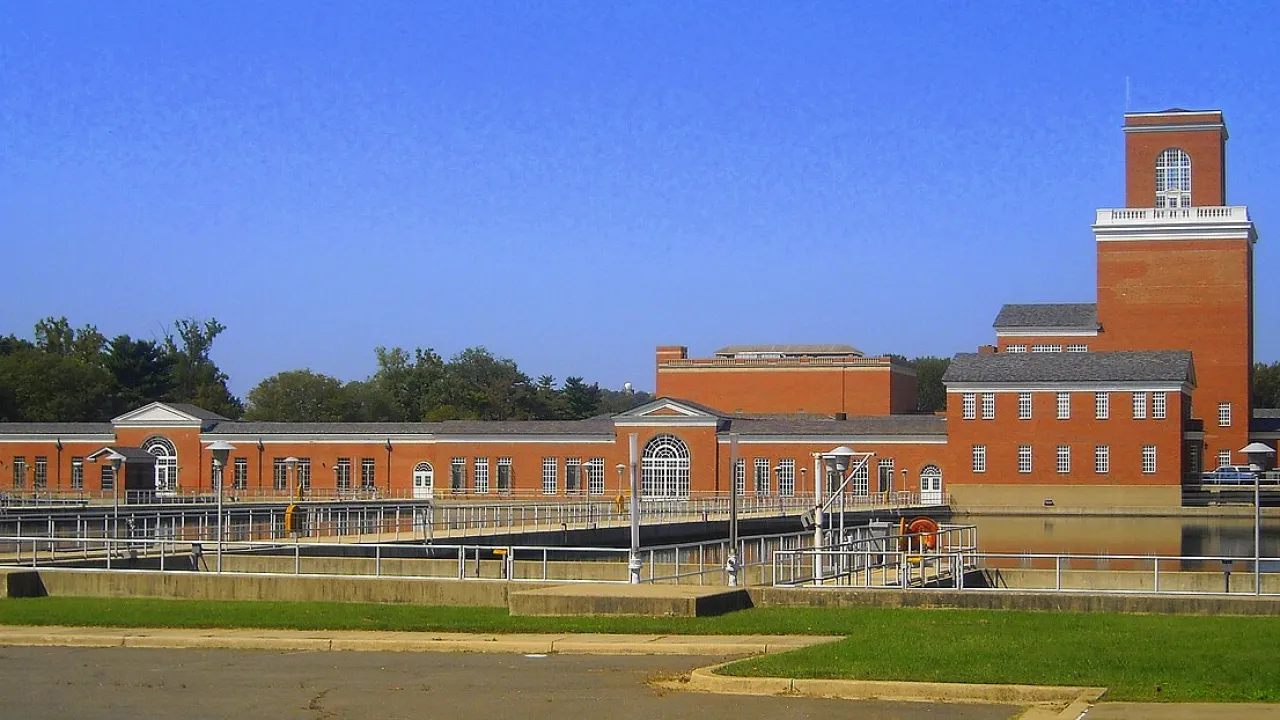
Inside a gleaming control room, digital gauges track millions of gallons flowing from mountain reservoirs and wells. Walking along deep turquoise basins with sample vials in hand, a water treatment specialist protects public health around the clock.
2
Four Classic Purification Steps
Drinking-water plants follow four clever stages: (clumping tiny dirt specks into fluffy "floc"), (letting heavy floc settle out), filtration through layers of anthracite coal, sand, and activated carbon, and disinfection using ozone, UV lamps, or chlorine.
3
Helpful Microbes After the Drain
What happens after bathwater swirls down the drain? At wastewater reclamation plants, specialists care for billions of hungry, helpful bacteria that eat away organic waste before returning sparkling water safely to rivers!
4
Lab Checks Around the Clock
Using pH meters and sensors that measure water clarity, operators verify every EPA safety rule before water reaches your street.
1. Which helpers clean dirty drain water inside a wastewater reclamation plant?
2. What does a turbidity sensor measure in drinking water?
🤯 Mind-Blowing Fact • Grade 4
In 1908, Jersey City, New Jersey, became the first U.S. city to continuously disinfect public drinking water—a breakthrough that helped cut typhoid fever across America by over 90 percent within decades!
✨ Word Sparks (Grade 4 Glossary)
Tap 🔊 to hear
alkalinity
minerals that keep water from turning too acidic
corrode
to slowly eat away metal pipes chemically
algae bloom
rapid overgrowth of water plants that drains oxygen
🪝
How does clean water flow from the Potomac or James River through your town and still protect downstream oysters in the Chesapeake Bay?
1
Connecting Watersheds and Communities
Follow a raindrop falling on Virginia's Blue Ridge Mountains: it tumbles down creeks into the James or Potomac River, enters a municipal intake pipe, refreshes thousands of households, and eventually journeys onward toward the Chesapeake Bay! Ensuring that water enters homes pure—and leaves cities cleaner than it arrived—is the vital stewardship of a water treatment specialist.
2
Chemistry of pH, Minerals, and Pipes
Purifying drinking water involves delicate chemical balance. Beyond removing silt, viruses, and bacteria under the federal Safe Drinking Water Act, specialists carefully adjust pH and mineral . If treated water is even slightly too acidic, it can metal household plumbing; balanced mineral chemistry forms a microscopic protective coating inside miles of city water mains.
3
Stopping Nutrient Pollution Downstream
On the wastewater side, licensed operators run advanced biological nutrient removal. By switching oxygen levels inside treatment basins, specialized microbes strip excess nitrogen and phosphorus out of reclaimed water—preventing harmful that would otherwise rob Chesapeake Bay crabs, fish, and oyster reefs of oxygen.
4
SCADA Sensors and Storm Readiness
Using computerized SCADA dashboards and backup diesel or solar generators, specialists keep hospital and firefighter water pressure steady even during hurricanes.
1. Why must water treatment specialists carefully balance the pH and minerals of drinking water?
2. Why do wastewater plants remove extra nitrogen and phosphorus before releasing water into rivers?
🤯 Mind-Blowing Fact • Grade 5
Orange County, California's Groundwater Replenishment System purifies 130 million gallons of reclaimed water every single day using microfiltration, reverse osmosis, and ultraviolet light—enough clean water for nearly one million residents!
✨ Word Sparks (Grade 5 Glossary)
Tap 🔊 to hear
aquifer
underground rock or gravel layers holding clean groundwater
reverse osmosis
pushing water through ultra-fine membranes to remove salts
ultraviolet-C
high-energy light waves that neutralize germs without chemicals
🪝
How do reverse-osmosis membranes, astronaut life-support loops, and trace-chemistry labs secure clean water for a thirsty planet?
1
Less Than One Percent Available
Although blue oceans cover 71 percent of Earth's surface, over 97 percent of planetary water is salty seawater, and two-thirds of the remaining freshwater lies locked inside polar ice caps and glaciers. Humanity relies on less than 1 percent of Earth's water—held in rivers, lakes, and underground —for every farm, factory, and household! Safeguarding that irreplaceable resource at the molecular level is the state-licensed profession of the water treatment specialist.
2
Membrane Ultrafiltration and Reverse Osmosis
Modern treatment facilities pair classic coagulation-sedimentation basins with advanced membrane physics. Hollow-fiber ultrafiltration tubes block cysts and bacteria as small as 0.02 microns, while high-pressure reverse-osmosis (RO) membranes push water molecules across semipermeable sheets that reject dissolved salts, heavy metals, and synthetic forever chemicals (PFAS) measured in parts per trillion—equivalent to spotting a single drop of ink inside twenty Olympic swimming pools!
3
Ultraviolet Photochemistry and Ozonation
To neutralize chlorine-resistant microorganisms without creating unwanted chemical byproducts, advanced plants bubble ozone gas (O3) through contact chambers and bathe flowing water in 254-nanometer light, scrambling microbial DNA instantly so pathogens cannot reproduce.
4
Potable Reuse from California to Space
In arid regions from Southern California to Singapore—and aboard the International Space Station, where astronauts recycle over 93 percent of all cabin moisture—specialists operate multi-barrier water purification systems that reclaim wastewater to purity levels cleaner than bottled spring water.
5
24/7 Sentinels of Civilization
Certified through tiered state hydraulic and chemistry examinations, water treatment specialists stand watch every single hour of the year, ensuring the turn of a kitchen tap remains one of modern civilization's safest miracles.