🧬 HUMAN BODY
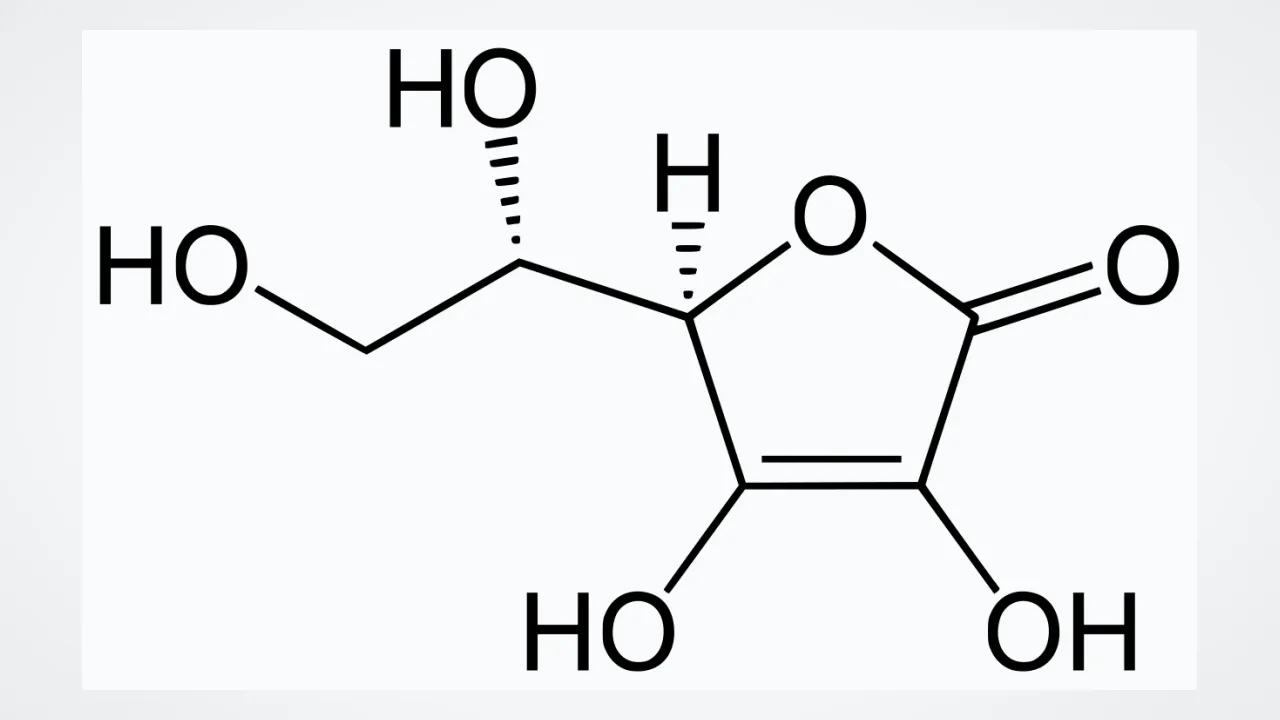
🧬 L-Ascorbic Acid • Water-Soluble Antioxidant & Cofactor
VA Science & Health SOL 1.1, 3.1, 4.2, 5.1 (Cells, Organs & Body Systems)
Vitamin C
Citrus Spark Weaving Strong Body Glue
Grade 5 • Advanced • 278 words
🩺 Body System & LocationBloodstream, White Blood Cells, Skin, Gums & Adrenal Glands
🔬 Size / Cell CountWater-soluble molecule (C6H8O6) • ~25–45 mg daily need for kids
⚙️ Core JobWeaves collagen tissue glue, shields cells, and boosts iron absorption
⚡ Body SuperpowerHelps weave body-wide collagen cables and powers germ-chasing immune cells every day
🤯 Mind-Blowing Fact • Grade 1
Most dogs, cats, and goats make their own vitamin C inside their bodies, while humans must eat it in food!
✨ Word Sparks (Grade 1 Glossary)
Tap 🔊 to hear
Citrus
Juicy tangy fruits like oranges and lemons
Gums
Firm pink tissue holding your teeth snugly
Heal
To grow healthy again after a cut
🪝
Did you know a crunchy red bell pepper has even more vitamin C than an orange?
1
Tangy Fruit Power!
Peel a juicy orange and smell the sweet mist! Inside hides a bright helper called vitamin C. Strawberries, kiwis, and bell peppers pack tons of it too.
2
Body Glue Builder
Vitamin C helps your body weave strong skin and healthy . When you get a tiny cut, it helps build new skin fast!
3
Eat Some Every Day
Your body cannot make or save much vitamin C on its own. Eating fresh fruits and veggies every day keeps you stocked up!
1. Which crunchy vegetable actually packs more vitamin C than an orange?
2. Why should kids eat foods with vitamin C every single day?
🤯 Mind-Blowing Fact • Grade 2
One tropical guava fruit packs more than four times the vitamin C a third-grader needs in an entire day!
✨ Word Sparks (Grade 2 Glossary)
Tap 🔊 to hear
Collagen
Strong protein rope holding skin and gums
Scurvy
Old sailor illness from missing vitamin C
Water-soluble
Dissolving in water and needed every day
🪝
Why did ocean sailors hundreds of years ago celebrate whenever they spotted lemon trees?
1
Weaving Tough Collagen Ropes
Pinch the stretchy skin on the back of your hand! Tough protein ropes called hold your skin, gums, tendons, and blood vessels together. Your cells cannot twist strong collagen ropes without daily help from vitamin C.
2
The Sailors' Lemon Clues
Long ago, sailors on wooden ships ate dry biscuits and salted meat for months with zero fresh fruit. Many developed sore gums and tired legs—an illness called —until ship doctors learned lemon and lime juice fixed it quickly!
3
Immune Buddy and Iron Helper
Because vitamin C dissolves in water, extra amounts wash out in urine instead of piling up. Eating broccoli, strawberries, guavas, or oranges every day cheers on white blood cells and helps your tummy soak up iron from beans and spinach!
1. What strong body protein needs vitamin C to weave tight ropes?
2. What mineral from beans and spinach does vitamin C help your gut absorb better?
🤯 Mind-Blowing Fact • Grade 3
Humans, monkeys, guinea pigs, and fruit bats all share a broken vitamin-C-making gene because our ancient fruit-munching ancestors got plenty from trees!
✨ Word Sparks (Grade 3 Glossary)
Tap 🔊 to hear
Ascorbic Acid
Scientific name for vitamin C meaning anti-scurvy
Antioxidant
Nutrient shield protecting cells from chemical sparks
Capillary
Hair-thin blood vessel strengthened by collagen
🪝
How did twelve sailors, six pairs of remedies, and two juicy oranges launch the world's first medical food trial?
1
James Lind's Famous Ship Test
Aboard a creaking ship in 1747, Scottish naval doctor James Lind tried a clever experiment with twelve sailors suffering from scurvy. Only the two sailors given oranges and lemons bounced back healthy in six days! Centuries later, scientists named the mystery lifesaver —meaning 'no-scurvy acid'—or vitamin C.
2
Braiding Three-Strand Collagen
Collagen is the most abundant protein in the human body, reinforcing skin, cartilage, bones, and tiny blood capillaries. Vitamin C acts as a cofactor helper for enzymes that braid three protein strands into one unbreakable collagen cable!
3
Antioxidant Bodyguard
Inside busy cells, rogue spark-like molecules called free radicals can bump into DNA and membranes. Vitamin C acts as an shield, donating a spare electron to calm those rowdy sparks safely.
4
Fresh and Gently Cooked
High boiling heat and long storage break down vitamin C molecules over time. Munching raw berries, kiwis, citrus, tomatoes, and lightly steamed broccoli delivers maximum vitamin C straight to your cells!
1. Who ran the famous 1747 ship experiment showing oranges and lemons cured scurvy?
2. Why is eating raw or lightly steamed veggies better for vitamin C than boiling them a long time?
🤯 Mind-Blowing Fact • Grade 4
White blood cells hoard so much vitamin C for immune defense that their internal concentration reaches fifty to one hundred times higher than the liquid blood around them!
✨ Word Sparks (Grade 4 Glossary)
Tap 🔊 to hear
Triple Helix
Three protein strands braided into strong collagen
Neutrophil
Fast white blood cell hoarding vitamin C
Mutation
Permanent change in a gene's DNA spelling
🪝
Why can your family dog synthesize vitamin C from ordinary blood sugar while you and a pet guinea pig cannot?
1
A Missing Enzyme From Tropical Ancestors
Most mammals convert glucose sugar into vitamin C inside their livers using a four-step enzyme assembly line. Roughly sixty million years ago, early primates living in fruit-filled canopies inherited a harmless in the GULO gene that disabled step four! Because tropical diets brimmed with vitamin C anyway, our ancestors thrived—passing along the trait that makes vitamin C an essential daily nutrient for humans today.
2
Cross-Linking Collagen Cables
Nearly one-third of all protein in your body is collagen, weaving the scaffolding for skin dermis, gums, tendons, bone matrix, and blood vessel walls. Enzymes called hydroxylases must attach chemical hooks onto collagen chains so three strands twist into a sturdy . Those enzymes contain an iron atom that rusts out of action unless vitamin C steps in to recharge it!
3
Supercharging White Blood Cells
Germ-gobbling white blood cells called actively pump vitamin C inside themselves until levels reach fifty times higher than surrounding blood! That reserve shields immune cells from their own germ-zapping oxidants while speeding their sprint toward cuts.
4
Unlocking Plant Iron and Brain Signals
In your small intestine, vitamin C transforms hard-to-absorb plant iron into an easy-to-absorb form—which is why squeezing lemon over spinach salad or pairing salsa with black beans is smart nutrition! Brain cells even use vitamin C to craft alertness messengers.
1. Why cannot humans manufacture their own vitamin C from glucose like dogs do?
2. How does vitamin C assist collagen-building enzymes?
🤯 Mind-Blowing Fact • Grade 5
Australian Kakadu plums hold the world record for natural vitamin C—packing up to one hundred times more ascorbic acid by weight than a juicy orange!
✨ Word Sparks (Grade 5 Glossary)
Tap 🔊 to hear
Pseudogene
Inactive ancient gene copy carrying old mutations
Electron Donor
Molecule sharing electrons to recharge other molecules
Carnitine
Helper molecule carrying fuel into cell mitochondria
🪝
How did Hungarian biochemist Albert Szent-Györgyi isolate a mysterious 'hexuronic acid' from red paprika peppers and solve a centuries-old maritime medical puzzle?
1
From Maritime Scurvy to Red Paprika
During the Age of Sail, scurvy claimed more sailors' lives than storms and naval battles combined until James Lind's 1747 HMS Salisbury clinical trial demonstrated citrus fruit's curative power. Nearly two centuries later, Hungarian biochemist Albert Szent-Györgyi struggled to purify tiny crystals of a mysterious reducing sugar from adrenal glands—until he tested local Szeged red paprika peppers and harvested whole grams of pure L-ascorbic acid, earning the 1937 Nobel Prize in Physiology or Medicine!
2
The GULO Pseudogene Story
Comparative genomics reveals why humans, anthropoid primates, guinea pigs, and fruit bats depend entirely on dietary ascorbate. Most vertebrates synthesize ascorbic acid from D-glucose via four enzymatic steps, culminating with L-gulonolactone oxidase (GULO). In humans, GULO survives only as a mutated, non-functional on chromosome 8—a harmless relic from frugivorous ancestors whose diets overflowed with wild produce.
3
Enzymatic Cofactor for Collagen and Neurotransmitters
Biochemically, L-ascorbic acid excels as a generous . Inside connective tissue cells, prolyl and lysyl hydroxylase enzymes require reduced iron (Fe2+) at their active sites to hydroxylate amino acids so procollagen chains zip into high-tensile triple helices; ascorbate continuously reduces oxidized Fe3+ back to active Fe2+. Similar copper- and iron-dependent enzymes rely on ascorbate to synthesize norepinephrine in neurons and , which shuttles fatty acids into mitochondria.
4
Antioxidant Recycling and Non-Heme Iron
In aqueous plasma and cytosol, ascorbate neutralizes reactive oxygen species and even regenerates oxidized fat-soluble vitamin E in cell membranes! Inside the duodenum, it reduces dietary ferric iron (Fe3+) from legumes and leafy greens into soluble ferrous iron (Fe2+), multiplying plant-iron absorption severalfold.
5
Tightly Regulated Saturable Transport
Sodium-dependent vitamin C transporters actively concentrate ascorbate inside neurons, adrenal glands, and phagocytic leukocytes while renal thresholds excrete excess intake once plasma saturates—making colorful daily produce like bell peppers, kiwis, berries, brassicas, and citrus ideal.