Red Fort of Delhi
A Palace of Red Walls and Royal Echoes
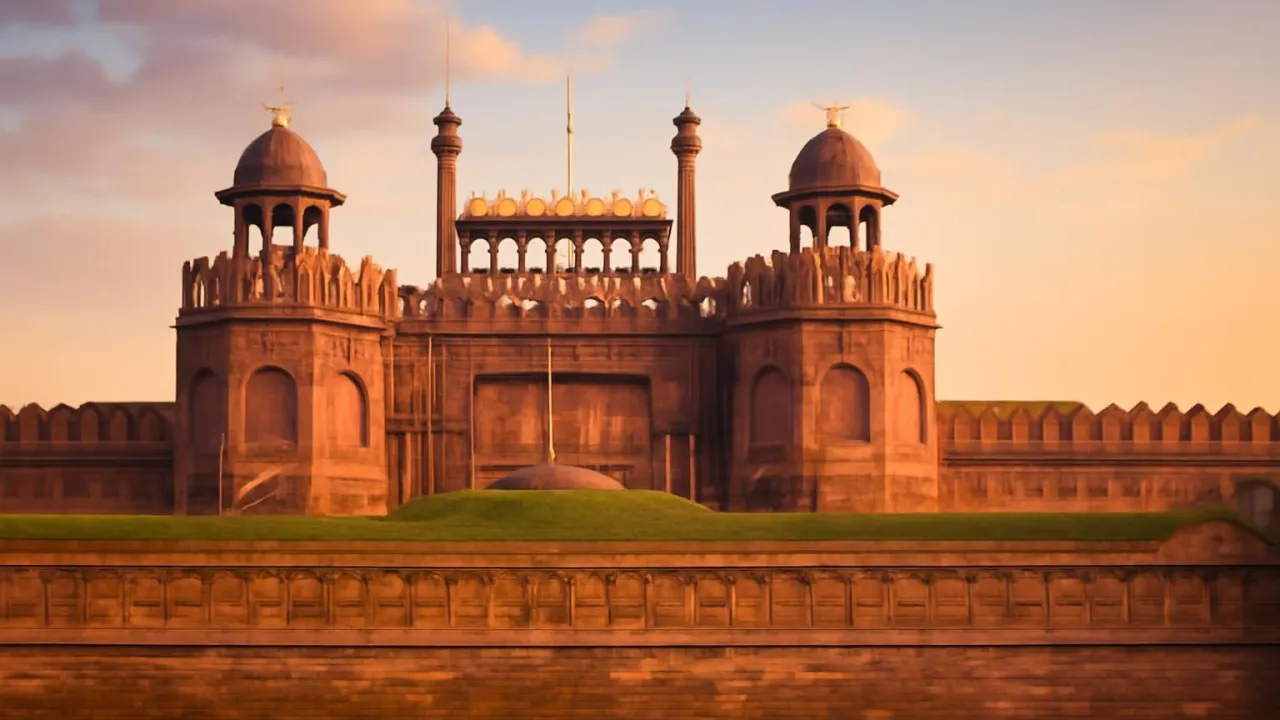
The Red Fort’s design uses precise geometry and symmetry, aligning its main axis with the rising sun during festivals.
1 A Masterpiece of Mughal Vision
Commissioned by Emperor Shah Jahan in 1638, the Red Fort of Delhi is a monumental example of Mughal ambition and ingenuity. Its colossal red sandstone walls, stretching 2.5 kilometers and rising up to 18 meters, dominate the city’s skyline and symbolize imperial authority. The fort’s layout follows a precise geometric plan, with symmetrical gardens, palatial halls, and ceremonial gateways. Persian, Timurid, and indigenous Indian influences blend seamlessly, reflecting the cosmopolitan culture of the Mughal court. Every year, the fort attracts millions of visitors who marvel at its scale and artistry. Its enduring presence serves as a testament to centuries of architectural evolution and cultural exchange.
2 Engineering Marvels and Defensive Innovations
The Red Fort’s defensive architecture incorporates advanced engineering principles for both protection and comfort. The massive ramparts, constructed from red sandstone, are reinforced with and battlements to repel potential invaders. Ingenious water channels called 'nahr-i-bihisht' (stream of paradise) run through the gardens and halls, providing natural cooling and enhancing the fort’s acoustics. The architects designed arches and domes to distribute weight efficiently, while also creating stunning visual and sonic effects. The fort’s main gates, such as the Lahori and Delhi Gates, are fortified with iron spikes and angled entrances to deter elephant charges. Every structural element was meticulously planned to balance security, beauty, and environmental adaptation.
3 Life, Ceremony, and Cultural Flourish
Within the fort’s walls, the Mughal emperors presided over a vibrant court life filled with ceremony, artistry, and innovation. The Diwan-i-Am (Hall of Public Audience) and Diwan-i-Khas (Hall of Private Audience) were centers of governance and diplomacy, where emperors received dignitaries and issued royal decrees. The fort’s palaces, adorned with marble inlay, gilded ceilings, and intricate screens, hosted poets, musicians, and artists from across Asia. Water features and lush gardens provided respite from Delhi’s heat, while the acoustically engineered halls amplified music and oratory. The legendary Peacock Throne, encrusted with precious gems, once stood in the fort, symbolizing imperial splendor. Life at the Red Fort was a blend of power, culture, and sensory delight.
4 Historical Transformations and Enduring Legacy
Throughout its history, the Red Fort has witnessed dramatic changes in leadership, culture, and national identity. After the Mughal era, the fort became a focal point for colonial power and later, a symbol of India’s struggle for independence. In 1947, the first Prime Minister of independent India, Jawaharlal Nehru, raised the national flag from its ramparts, establishing a tradition that continues each Independence Day. The fort’s architecture has influenced countless buildings worldwide, from civic halls to modern palaces. As a UNESCO World Heritage Site, it stands as a living chronicle of India’s resilience, creativity, and global impact.
5 Scientific Insights and Preservation Challenges
Modern conservationists study the Red Fort’s materials and engineering to preserve its grandeur for future generations. The red sandstone, susceptible to weathering and pollution, requires careful restoration using traditional techniques and scientific analysis. Engineers monitor the fort’s structural integrity, examining how arches, domes, and foundations withstand seismic activity and environmental stress. The fort’s water management systems are studied for their sustainable design, inspiring new approaches to climate adaptation in architecture. By blending historical knowledge with modern science, experts strive to protect the Red Fort’s legacy as an enduring marvel of human achievement. Its story continues to inspire architects, historians, and visitors around the globe.
1. How did the Red Fort’s engineers keep the palaces cool in Delhi’s hot climate?
2. Why do conservationists study the Red Fort’s structure and materials today?