Red Fort of Delhi
A Palace of Red Walls and Royal Echoes
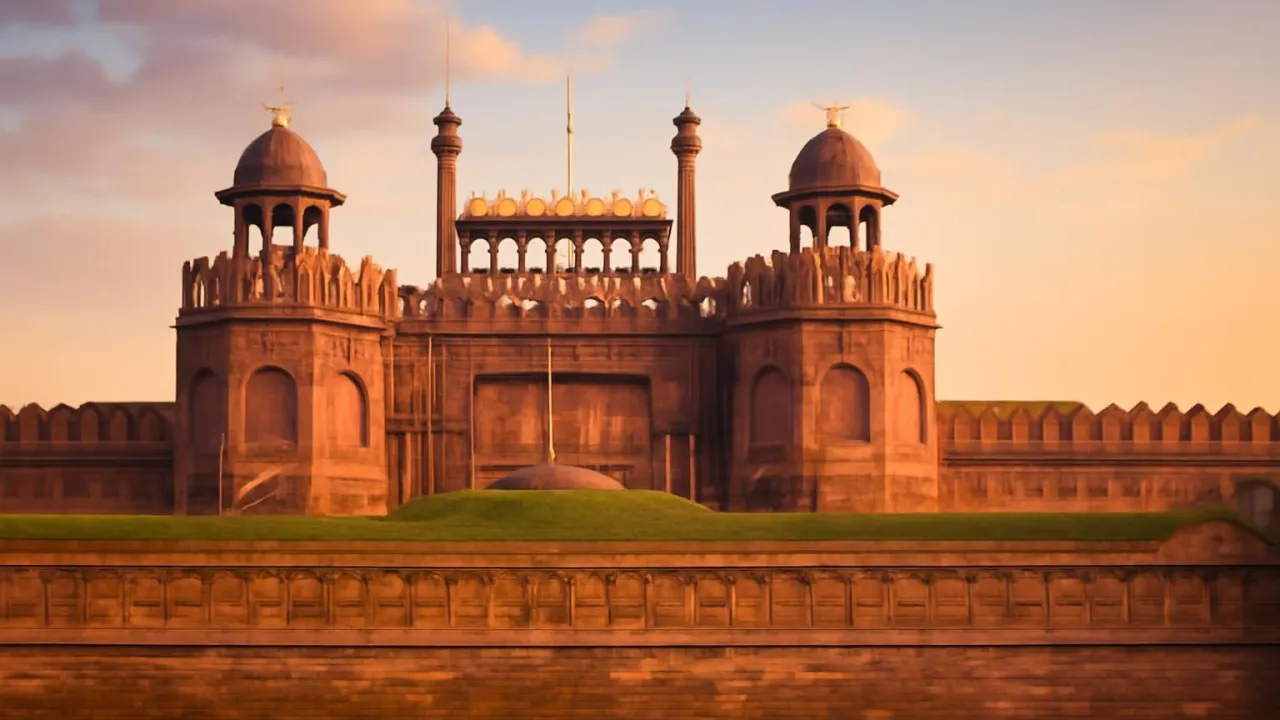
The Red Fort’s marble throne once held the legendary Peacock Throne, decorated with precious gems and gold.
1 A Symbol of Mughal Power
The Red Fort in Delhi was built by Emperor Shah Jahan as a symbol of Mughal strength and artistic vision. Its massive red sandstone walls stretch for 1.5 miles, rising up to 59 feet high in places. The fort’s design combines Persian, Timurid, and Indian architectural styles, making it a masterpiece of world heritage. Every year, thousands of visitors walk through its grand gates, marveling at its size and beauty.
2 Architectural Marvels and Engineering
Mughal engineers used advanced techniques to create the fort’s arches, domes, and intricate marble . The arches distribute weight evenly, while domes amplify sound, creating unique acoustic effects in the halls. Water channels called 'nahr' cooled the courtyards and gardens, showing a deep understanding of climate control. The fort’s thick walls protected the royal family from both heat and attack, blending safety with elegance.
3 Life Inside the Palace
Inside the Red Fort, emperors held court in the Diwan-i-Am and Diwan-i-Khas, where important decisions and celebrations took place. The fort was filled with music, poetry, and colorful festivals, echoing in its vast marble and sandstone rooms. Fountains and gardens brought cool breezes and beauty to daily life, while skilled artisans carved delicate patterns everywhere. The fort was not just a stronghold, but also a vibrant center of art and culture.
4 Legacy and Global Importance
Today, the Red Fort stands as a UNESCO World Heritage Site and a symbol of India’s history and independence. Each year on India’s Independence Day, the Prime Minister raises the national flag from its , watched by millions. The fort’s design has inspired buildings across the world, showing the lasting impact of Mughal architecture. Its walls hold the stories of emperors, artists, and everyday people who shaped its .
1. What styles influenced the Red Fort’s architecture?
2. Why is the Red Fort important today?