Potala Palace (Lhasa)
The Mountain Castle in the Sky
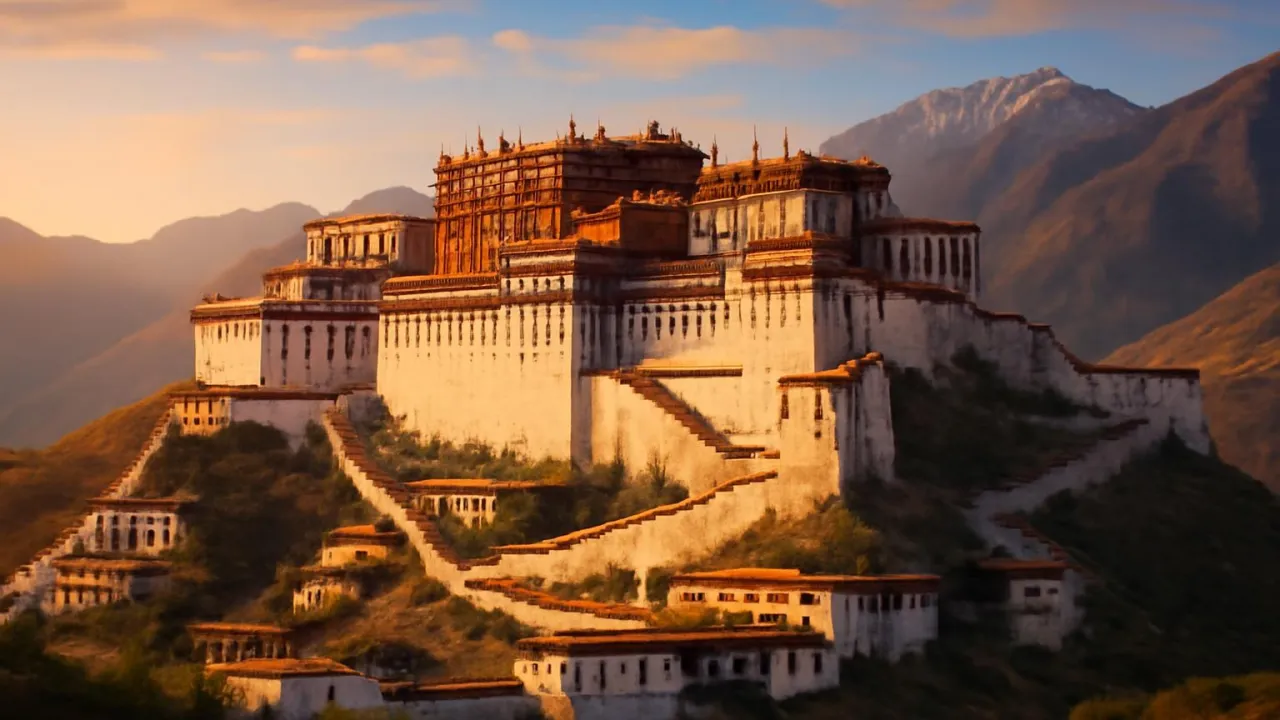
Potala Palace contains over 200,000 Buddhist statues, scriptures, and precious artifacts within its walls.
1 A Mountain Fortress at the Roof of the World
Potala Palace dominates the skyline of Lhasa from its perch atop Marpo Ri, or 'Red Hill,' at an altitude of about 3,700 meters (12,100 feet) above sea level. Its thirteen stories soar 117 meters (384 feet) high, making it one of the tallest ancient structures on Earth. The palace’s striking red and white walls, golden roofs, and tiered terraces reflect both Tibetan Buddhist symbolism and practical defensive design. From the uppermost terraces, visitors are treated to panoramic views of the Himalayas and the city below, emphasizing the palace’s strategic and spiritual importance.
2 Architectural Marvels: Earthquake Engineering and Design
Constructed between 1645 and 1694, Potala Palace is a masterpiece of traditional Tibetan engineering. Its stone walls are up to 5 meters (16 feet) thick at the base, tapering as they rise to support immense weight and resist forces. Ancient builders embedded massive wooden beams and interlocking supports throughout the structure, allowing it to absorb ground vibrations and survive major earthquakes. The palace’s wide, tiered base distributes its 400,000 square feet of area and prevents structural collapse, while its sloped walls and terraces shed rainwater and snow efficiently.
3 A Living Museum of Art and Ritual
Inside, Potala Palace houses over 1,000 rooms, including grand assembly halls, private chapels, and storied tombs of past Dalai Lamas. The walls are adorned with thousands of vibrant murals depicting Buddhist legends, historical events, and daily life in Tibet. Intricately carved altars, golden statues, and shimmering fill the halls with color and meaning. The palace’s unique acoustic resonance allows monks’ chants and ceremonial music to carry softly through the labyrinth of corridors, creating a meditative atmosphere for visitors and worshippers alike.
4 Legacy of Faith, Power, and Cultural Identity
Potala Palace served as the winter residence of the Dalai Lama and the center of Tibetan government for centuries. Its construction symbolized the unity of spiritual and political authority in Tibet, blending religious devotion with architectural ambition. Today, as a UNESCO World Heritage site, the palace attracts scholars, pilgrims, and tourists from around the globe who seek to understand its enduring legacy. It stands as a testament to Tibetan resilience, artistry, and the enduring power of faith amid historical change.
5 Challenges and Preservation in the Modern Era
Preserving Potala Palace poses ongoing challenges due to its altitude, climate, and the pressures of tourism. Conservationists use traditional materials and methods to repair stonework, murals, and wood, ensuring that the palace retains its historical integrity. Strict visitor limits help protect fragile interiors from excess humidity and wear. As global awareness of Tibetan culture grows, Potala Palace remains a symbol of hope, heritage, and the triumph of human creativity over nature’s obstacles.
1. Why are Potala Palace’s walls built so thick at the base?
2. How do conservationists help protect Potala Palace today?