Palace of Versailles
Hallways of Mirrors, Gardens of Kings
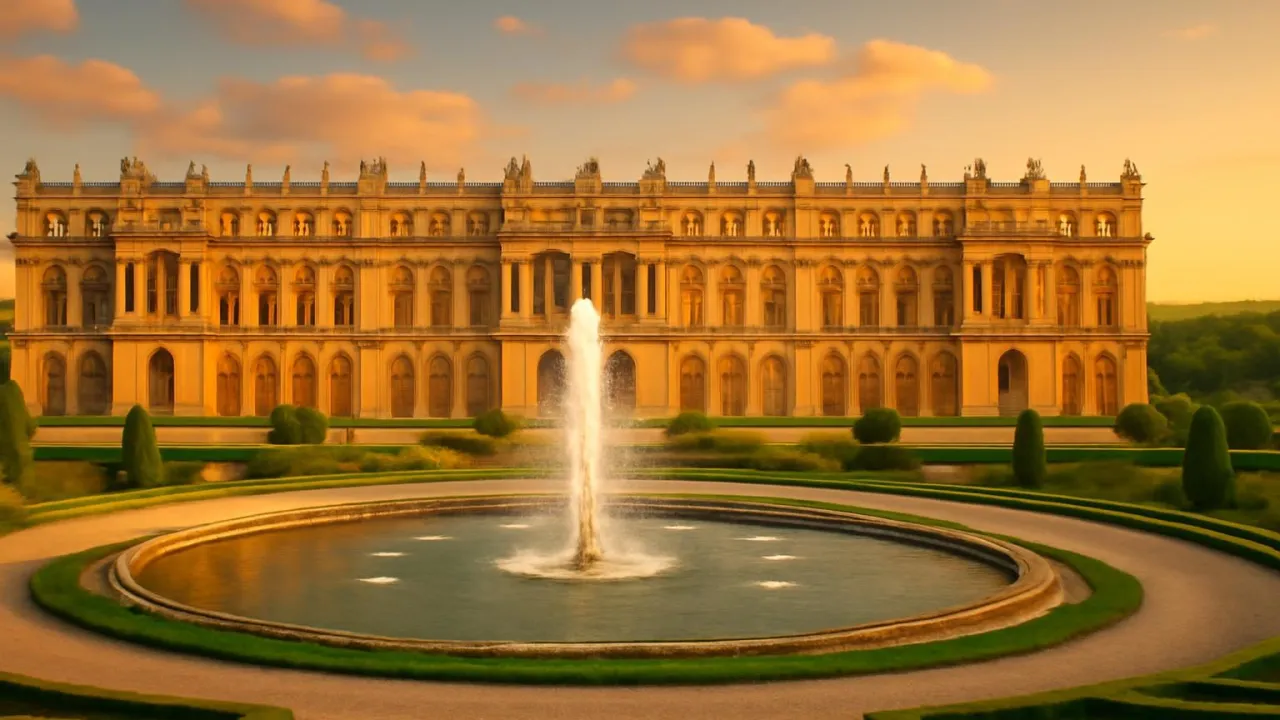
The Marly Machine, built for Versailles, was the largest water-lifting system of its era and could move 3,200,000 gallons daily!
1 Engineering the Hall of Mirrors
Step into the Hall of Mirrors and you’ll be surrounded by 357 expertly crafted mirrors, each reflecting beams of sunlight from the seventeen arched windows. This architectural marvel was designed to maximize natural light and amplify the brilliance of gold leaf, crystal chandeliers, and marble columns. The of the vaulted ceiling allowed music and voices to resonate during royal balls, creating a sense of grandeur and awe. French artisans used advanced glassmaking techniques, making these mirrors a symbol of technological progress in 17th-century Europe. The hall became the stage for historic events, including the signing of the Treaty of Versailles in 1919.
2 The Genius of Versailles’ Gardens
The gardens of Versailles, covering nearly 2,000 acres, are a masterpiece of Baroque landscape architecture, meticulously designed by André Le Nôtre. Their geometric layout features over 600 fountains, 372 statues, and vast reflecting pools, all arranged in perfect . Engineers constructed a sophisticated hydraulic system, including the Marly Machine, to transport water from the Seine River over 10 miles away. The musical fountains, which still perform today, use water pressure and hidden pipes to create synchronized displays that delighted royal guests. This blend of art, mathematics, and engineering set new standards for garden design across Europe.
3 Versailles as a Symbol of Absolute Monarchy
King Louis XIV, known as the Sun King, transformed Versailles from a modest hunting lodge into the political and cultural epicenter of France. The palace’s immense scale—with over 2,300 rooms—was intended to impress visitors and reinforce the king’s absolute authority. Versailles hosted elaborate ceremonies, masked balls, and diplomatic meetings, shaping European politics and culture for generations. The palace’s Baroque architecture, with its dramatic arches, ornate ceilings, and gilded sculptures, inspired countless other royal residences, including Schönbrunn Palace in Austria and Peterhof in Russia.
4 Preservation and Modern Legacy
Today, the Palace of Versailles is one of the world’s most visited museums, attracting nearly eight million people annually. and historians work tirelessly to restore its paintings, sculptures, and intricate gardens using both traditional techniques and modern technology. Versailles stands as a living classroom, teaching visitors about the evolution of art, engineering, and government. Its influence extends to global diplomacy, as world leaders still gather here for important meetings and commemorations. The palace’s continued restoration ensures that its legacy will inspire future generations.
5 Scientific and Cultural Impact
Versailles represents a turning point in architectural and engineering history, demonstrating how science, technology, and art can work together. The palace’s innovative water system, use of geometry in garden design, and acoustical engineering in the Hall of Mirrors were groundbreaking for their time. Its cultural impact is equally profound, as it remains a symbol of both the achievements and excesses of monarchy. By studying Versailles, students and scientists gain insight into the social, technological, and artistic forces that shaped modern Europe. Its story continues to spark curiosity and creativity worldwide.
1. How did the Marly Machine help Versailles’ gardens?
2. Why do people study Versailles today?