Nyhavn Harbor of Copenhagen
Colorful Canals and Seafaring Stories Await
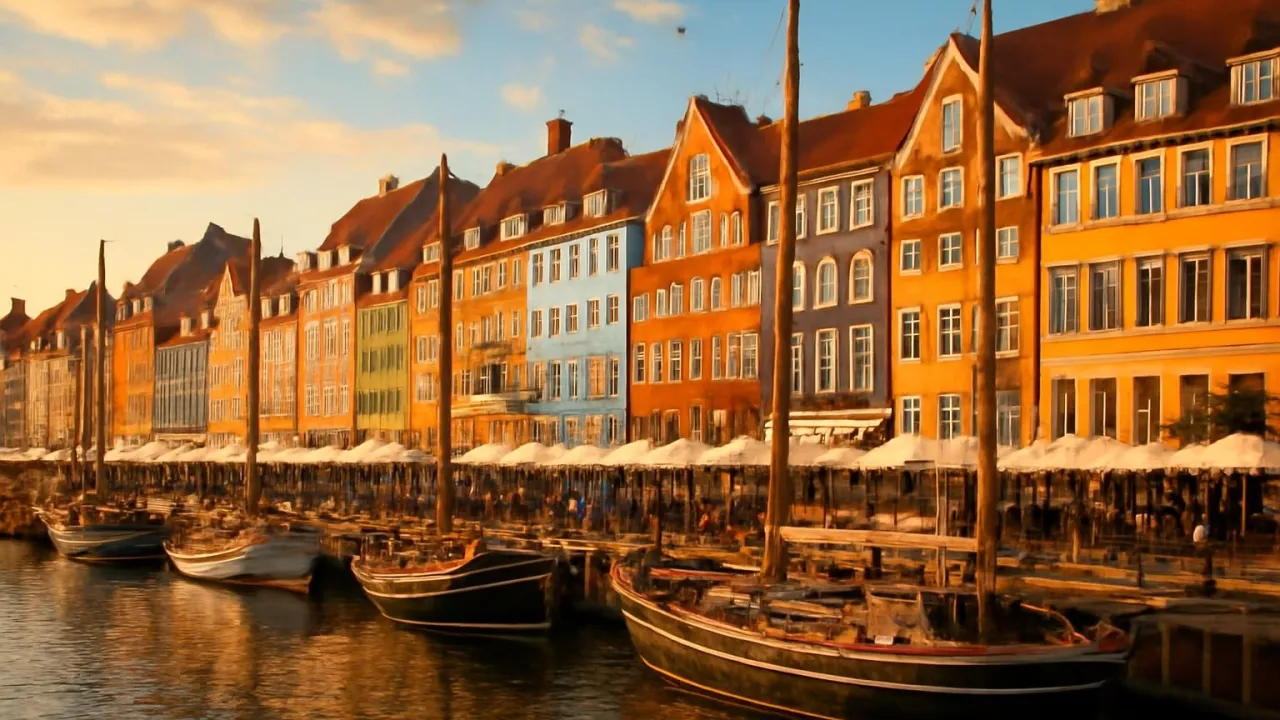
Nyhavn’s canal was dug entirely by hand over just five years in the 1670s!
1 Origins and Maritime Engineering
Nyhavn Harbor was engineered in the late 17th century as an ambitious urban maritime project to connect Copenhagen’s city center with the Øresund Strait. Danish soldiers and workers excavated the 400-meter canal entirely by hand, using shovels and wheelbarrows to move thousands of tons of earth. The canal was designed with a width of approximately 12 meters (about 40 feet), accommodating the era’s largest trading vessels. Its robust stone quays and deep basin allowed for the safe mooring of heavy wooden ships, which were vital for Denmark’s growing sea trade. The engineering of Nyhavn’s canal and quay system was essential in transforming Copenhagen into a thriving European port.
2 Architectural Heritage and Urban Evolution
The iconic row of narrow, multi-story houses along Nyhavn’s north side were constructed between the late 1600s and early 1700s, using timber framing, brickwork, and brightly colored . These buildings originally served as homes, taverns, and warehouses for sailors, merchants, and craftsmen. Many still retain their original wooden beams, steep staircases, and decorative gables, reflecting the distinct architectural style of Denmark’s Golden Age. Over centuries, efforts have ensured that both the exteriors and interiors remain structurally sound, even as the district has evolved into a vibrant cultural and tourist destination.
3 Cultural Significance and Literary Legacy
Nyhavn is deeply woven into Denmark’s cultural identity, serving as a gathering place for artists, musicians, and writers. The harbor’s most famous resident, Hans Christian Andersen, lived in three different houses here while writing some of his most beloved fairy tales. Today, outdoor cafes and galleries line the quay, and the canal’s lively atmosphere continues to inspire creativity. Annual festivals, music performances, and maritime parades celebrate Nyhavn’s legacy, attracting both locals and visitors from around the world.
4 Preservation, Restoration, and Modern Use
In recent decades, extensive restoration projects have stabilized Nyhavn’s historic buildings and reinforced the canal’s stone . Conservationists use traditional materials and techniques to repair wooden beams, brickwork, and quay stones, ensuring the district’s authenticity is maintained. Modern engineering solutions, such as flood barriers and improved drainage, protect the harbor from rising water levels and erosion. The canal is now closed to commercial shipping, but classic wooden boats and heritage vessels are carefully preserved as floating museum pieces.
5 Global Impact and UNESCO Recognition
Nyhavn stands as a symbol of Denmark’s maritime heritage and urban resilience, drawing millions of visitors annually. Its demonstrates the importance of safeguarding historic waterfronts in cities worldwide, balancing tourism with cultural integrity. As a candidate for UNESCO World Heritage status, Nyhavn showcases how thoughtful engineering and community stewardship can protect architectural treasures for future generations. The harbor’s colorful , bustling quays, and enduring stories continue to connect Copenhagen to the global community.
1. How did Nyhavn’s engineering help Copenhagen become a major European port?
2. Why is it important to restore Nyhavn’s historic buildings using traditional materials?