Mamey Sapote
The Tropical Fruit with a Secret Center
The mamey sapoteโs seed is almost as big as a golf ball!
Have you ever seen a fruit with orange inside and a big brown seed?
1 A Colorful Surprise
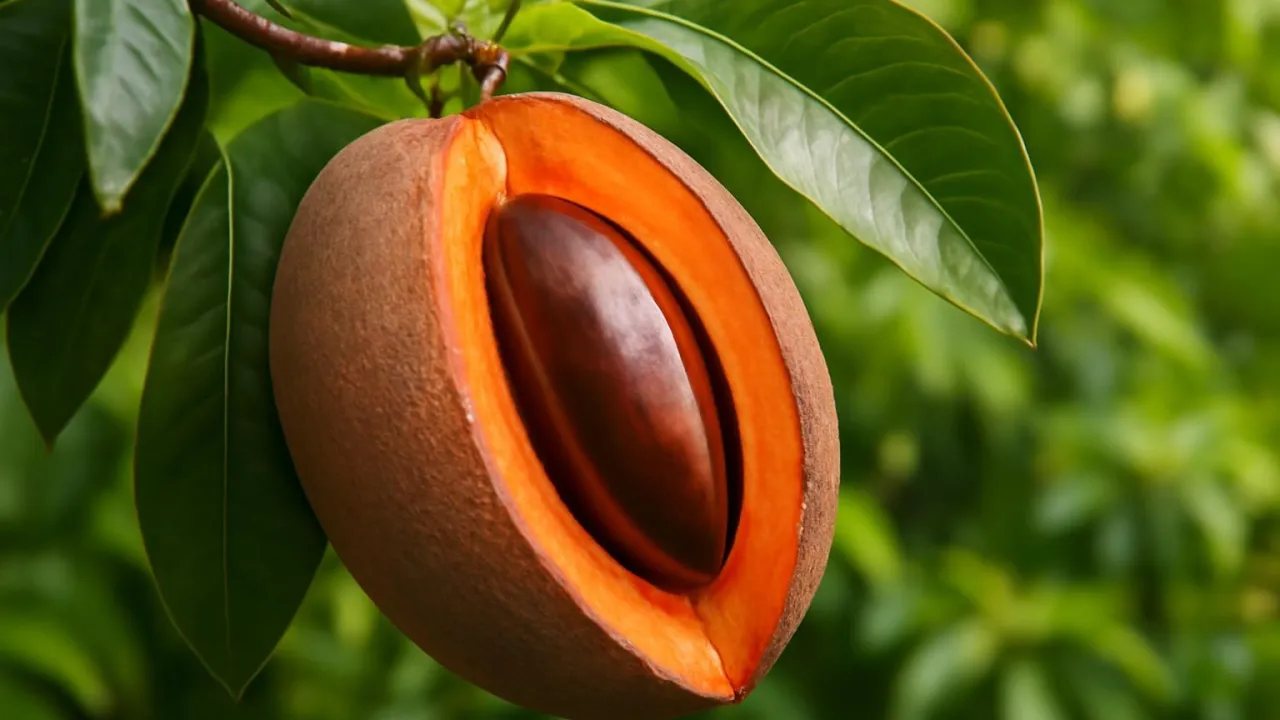
Mamey sapote is brown outside. It is orange and soft inside. The fruit has a big .
2 Tropical Homes
Mamey sapote grows on tall trees. It likes warm, sunny places. The trees have green leaves.
3 Tasty Treat
People eat mamey sapote sweet. It tastes like pumpkin pie. Many kids love this fruit.
1. What color is the inside of mamey sapote?
2. Where does mamey sapote grow best?
Mamey sapote trees can grow taller than a school bus is long!
Did you know some fruits have seeds as big as your thumb?
1 A Fruit with a Hidden Gem
Mamey sapote looks brown and rough on the outside, but inside it is bright orange and soft. Each has one very large, shiny in the middle. The seed is almost as big as a golf ball.
2 Where Does It Grow?
Mamey sapote trees grow in warm, tropical places like Mexico and Central America. The trees can get very tall and have big green leaves. They need lots of sun and water to grow healthy .
3 A Sweet and Creamy Snack
People love to eat mamey sapote because it tastes sweet and , a little like pumpkin pie. The orange flesh is soft and easy to scoop out. Some people use it in milkshakes or ice cream.
1. What does mamey sapote taste like?
2. Where do mamey sapote trees grow best?
Mamey sapoteโs fruit can take almost a year to ripen on the tree!
Have you ever tasted a fruit that looks plain outside but glows orange inside?
1 A Hidden Burst of Color
From the outside, mamey sapote looks like an ordinary brown fruit, but cutting it open reveals a bright orange surprise. The inside is soft, creamy, and sweet, almost like a mix of pumpkin and sweet potato. In the center, youโll discover a huge, shiny brown seed that takes up much of the fruit. People in tropical places love to eat mamey sapote fresh or blended into tasty smoothies.
2 A Year-Long Wait
Mamey sapote grows on tall, leafy trees in warm, humid places like Mexico and Central America. The fruit needs almost a whole year to ripen fully on the tree, which is much longer than most fruits. These trees need lots of sunlight and water to make their big, delicious fruit. Birds and insects help the small flowers so the fruit can grow.
3 Super Seed and Clever Protection
The huge seed inside gives a new tree a strong start by storing energy and nutrients. Mamey sapoteโs thick, rough skin keeps hungry animals and bad weather away from the soft flesh. The bright orange color attracts animals that help spread its seeds around the forest. This is an that helps the plant survive in the wild.
4 A Berry in Disguise
Mamey sapote is actually a botanical , even though it looks very different from strawberries or blueberries. The orange flesh is packed with vitamins A and C, which help keep you healthy. People use mamey sapote in milkshakes, ice creams, and many desserts. The seed is not eaten because it is too hard and bitter.
1. Why does mamey sapote have thick skin?
2. What helps mamey sapote trees make fruit?
Mamey sapoteโs orange flesh is so bright it can stain your hands!
What fruit hides bright orange treasure under rough brown skin?
1 A Colorful Secret Inside
Imagine slicing open a plain brown fruit and finding a glowing orange center! Mamey sapote surprises everyone with its soft, creamy flesh that tastes like pumpkin and sweet potato mixed together. The fruit is large, sometimes bigger than your hand, and hides a single, shiny brown seed inside. Its sweet flavor and bold color make it a favorite treat in tropical places.
2 A Patient Growerโs Reward
Growing mamey sapote takes a lot of patience, because each fruit can take up to a year to ripen. The tall, leafy trees soak up sunlight and water in warm, humid regions like Mexico and Central America. Insects are drawn to the treeโs small, fragrant flowers, helping to them so fruit can develop. As the fruit slowly grows, it stores and energy for the next generation of trees.
3 Teamwork in the Tropics
Mamey sapote is more than just a snackโitโs an important part of its . Birds and mammals eat the fruit, spreading the seeds across the forest floor, while insects help the flowers. The treeโs deep roots keep soil from washing away during heavy rains, helping protect tropical forests. Farmers appreciate mamey sapote because it can grow in poor soils and provides nutritious food for people and wildlife.
4 From Ancient Cultures to Today
Long ago, the Maya and other ancient people enjoyed mamey sapote for its taste and health benefits. Today, the fruit is popular in Latin American desserts, milkshakes, and even traditional medicines. The large seed contains oils sometimes used in beauty products, but the seed itself is not eaten. Mamey sapote trees can live for over a century, sharing their sweet fruit with people and animals year after year.
1. How do mamey sapote seeds travel in the wild?
2. Why do farmers like mamey sapote trees?
A single mamey sapote fruit can weigh as much as a soccer ball!
Can you imagine waiting a whole year for a single fruit to ripen?
1 A Botanical Wonder of the Tropics
Mamey sapote, scientifically known as Pouteria sapota, is a tropical fruit tree native to Central America, Mexico, and parts of the Caribbean. Belonging to the Sapotaceae family, it is related to other tropical fruits like sapodilla and canistel. The tree can reach impressive heights of up to 60 feet (18 meters) and produces large, oval fruits that range from 4 to 10 inches (10โ25 cm) long. The fruitโs rough, brown exterior hides a vibrant orange or salmon-colored flesh and a single, shiny, elliptical seed. Mamey sapote is botanically classified as a berry, even though its size and appearance are quite different from common berries like strawberries or blueberries.
2 The Science of Growth and Ripening
Mamey sapote trees thrive in humid, tropical climates with well-drained soils and full sunlight. The treeโs evergreen leaves help conserve water and provide shade for the developing fruit. Pollination is primarily achieved by insects, especially bees, which are attracted to the treeโs small, fragrant flowers. After pollination, the fruit develops slowly, taking anywhere from 9 to 12 months to fully ripenโa remarkable length of time compared to many other fruits. The large seed inside stores energy and nutrients, giving the new sapling a strong start once it . The fruitโs thick skin protects it from pests, diseases, and harsh weather, ensuring the seeds inside have the best chance to grow.
3 Ecosystem Roles and Human Connections
Mamey sapote plays a crucial role in tropical ecosystems by providing food for a variety of animals, including birds, bats, and mammals. These animals help disperse the seeds, allowing new trees to grow in different locations. The treeโs deep root system helps prevent soil erosion and supports the health of tropical forests. For thousands of years, humans have cultivated mamey sapote for its nutritious fruit, which is rich in vitamins A and C, fiber, and . In Latin American cultures, the fruit is a popular ingredient in milkshakes, desserts, and traditional dishes.
4 History, Culture, and Conservation
Mamey sapote has a long history of cultivation dating back to the ancient Maya and Aztec civilizations, who valued the fruit for its flavor and health benefits. Today, it is grown in tropical regions around the world, including Florida and parts of Southeast Asia. The large seed, while not edible, contains oils sometimes used in cosmetics and traditional remedies. Although mamey sapote is not currently endangered, habitat loss and overharvesting in some regions could threaten wild populations. farming practices and conservation efforts are important to ensure this unique fruit continues to thrive for generations to come.
5 Amazing Numbers and Modern Uses
A single mamey sapote fruit can weigh up to 2 pounds (0.9 kilograms), making it one of the heaviest tropical berries. The tree can live for over 100 years and may produce hundreds of fruits in its lifetime. The orange flesh contains high levels of beta-carotene, which helps keep your eyes healthy, and provides about 20% of your daily vitamin C in just one serving. In addition to being eaten fresh, mamey sapote is used in ice creams, milkshakes, jams, and even baked goods. Its unique flavor and nutritional value have made it increasingly popular in international markets, introducing new people to this tropical treasure.
1. Why does mamey sapote take so long to ripen?
2. What is one way mamey sapote helps its ecosystem?