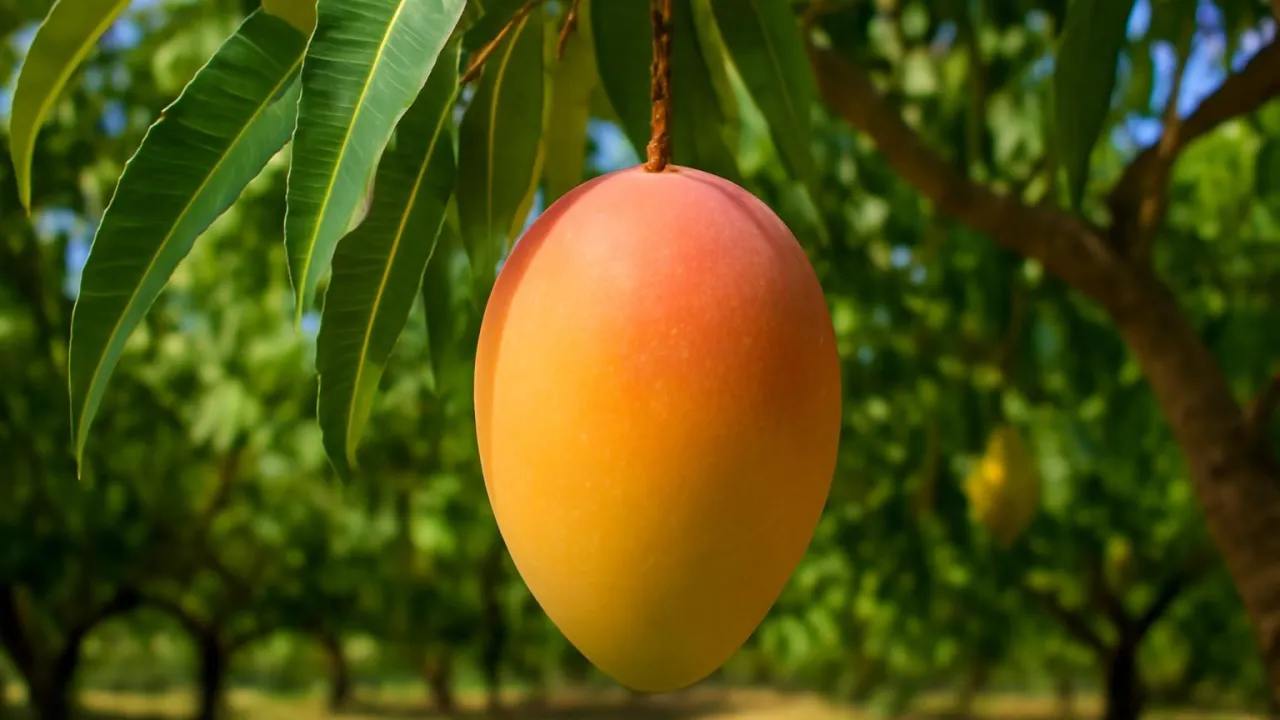
Alphonso mangoes have a unique sweet smell that can be noticed from far away.
✨ Word Sparks (Grade 2 Glossary)
Tap 🔊 to hear
aroma
A nice smell that comes from food or flowers
tropical
A warm place with lots of sun and rain
dessert
A sweet food eaten after a meal
🪝
Did you know Alphonso mangoes smell so sweet they are called 'King of Mangoes'?
1
Bright and Sweet Fruit
Alphonso mangoes have bright yellow skin and a very sweet smell that attracts many people. They taste juicy and delicious, making them popular worldwide. The fruit is smooth and soft inside with a rich flavor.
2
Growing in Warm Places
These mangoes grow best in warm, sunny places like western India where the weather is . They need plenty of sunlight and regular watering to grow big and healthy. Farmers take care of the trees so they can produce tasty fruit.
3
Loved by Many People
People enjoy eating Alphonso mangoes fresh or use them to make juice, jams, and . Their sweet and flavor make them special in many recipes. Alphonso mangoes are often given as gifts during festivals.
2. What do people often make from Alphonso mangoes?
🤯 Mind-Blowing Fact • Grade 3
Alphonso mangoes’ sweet smell is a natural way to attract animals for spreading seeds.
✨ Word Sparks (Grade 3 Glossary)
Tap 🔊 to hear
adaptation
A way plants or animals change to survive better
nutrients
Food that helps plants and animals grow strong
ecosystem
A place where plants and animals live together
🪝
Why is the Alphonso mango called the king of mangoes with a golden glow?
1
Golden Color and Sweet Aroma
Alphonso mangoes have a bright golden-yellow skin that shines in sunlight. Their sweet aroma helps attract animals and humans to eat them. This scent is a natural to spread seeds far away. The juicy flesh inside tastes rich and creamy.
2
Growing in Tropical Climates
These mangoes grow in tropical climates with warm temperatures and plenty of rain. They need full sun and well-drained soil to get enough . The mango tree can grow very tall, helping it compete for sunlight. This environment supports healthy fruit development.
3
Role in Ecosystems and People’s Lives
Alphonso mangoes provide food for many animals like birds and bats that help with seed dispersal. Humans harvest these mangoes for fresh eating and use them in many recipes. They are important in local food webs and support farmers’ livelihoods. Their popularity also boosts regional economies.
4
Unique Physical Features
The Alphonso mango has a smooth, thin skin that protects it from pests and damage. Its seed inside is large and flat, surrounded by sweet pulp. The fruit’s shape helps it hang safely on branches until ripe. These features help the mango survive and spread its seeds.
1. What helps Alphonso mangoes spread their seeds?
2. What kind of climate do Alphonso mango trees need?
🤯 Mind-Blowing Fact • Grade 4
Alphonso mango farming boosts local economies but requires careful care to protect trees.
✨ Word Sparks (Grade 4 Glossary)
Tap 🔊 to hear
seed dispersal
How seeds move away from the parent plant
sustainable
Using resources without harming nature
habitat
The natural home of plants or animals
🪝
How does the Alphonso mango’s golden color help it survive in tropical ecosystems?
1
Golden Skin and Survival
The Alphonso mango’s golden-yellow skin reflects sunlight, which helps protect the fruit from overheating in tropical climates. This bright color also signals ripeness to animals, encouraging them to eat the fruit and spread its seeds. Such adaptations improve the mango’s chances of reproduction and survival in its environment.
2
Role in Food Webs and Human Impact
Alphonso mangoes serve as a vital food source for many tropical animals, including birds and bats, which assist in . Humans cultivate these mangoes extensively, and their farming supports local economies. However, overharvesting and loss can threaten mango tree populations, showing the need for agricultural practices.
3
Growing Conditions and Geographic Range
These mango trees thrive in the warm, humid regions of western India, especially in Maharashtra and Gujarat. They require well-drained soil and consistent watering to produce high-quality fruit. The specific climate and soil conditions in these areas contribute to the unique flavor and aroma of Alphonso mangoes.
4
Physical Features and Adaptations
The smooth skin of Alphonso mangoes protects the fruit from pests and diseases, while its large seed is adapted to survive digestion by animals. The mango’s shape allows it to hang securely on branches until fully ripe, preventing premature falling. These features help maintain the species’ life cycle and ensure .
1. Why does the Alphonso mango have a bright golden skin?
2. What can hurt Alphonso mango trees if not cared for?
🤯 Mind-Blowing Fact • Grade 5
Alphonso mangoes contain up to 22% natural sugars, making them one of the sweetest mango varieties worldwide.
✨ Word Sparks (Grade 5 Glossary)
Tap 🔊 to hear
Anacardiaceae
The plant family that includes mangoes and cashews
pollination
When pollen moves to help plants make fruit
mutualism
A helpful relationship between two living things
🪝
What makes the Alphonso mango scientifically unique among tropical fruits with its rich aroma and flavor?
1
Scientific Classification and Origin
The Alphonso mango belongs to the species Mangifera indica, native to the tropical regions of western India. It is classified within the family, which includes cashews and pistachios. This mango variety has been cultivated for centuries, prized for its distinctive aroma, flavor, and texture. Its genetic traits contribute to its superior sweetness and color.
2
Physiological Features and Growth
Alphonso mango trees require a tropical climate with temperatures ranging from 24 to 30 degrees Celsius for optimal growth. The fruit measures approximately 3 to 5 inches in length and weighs between 150 to 300 grams. Its thin, smooth skin protects the delicate pulp, which is rich in sugars and vitamins. The tree’s deep root system allows it to access water during dry seasons, supporting fruit development.
3
Conservation and Agricultural History
Alphonso mango cultivation is integral to western India’s agricultural heritage, especially in Maharashtra. Efforts to conserve traditional orchards continue amid pressures from urbanization and climate change. Sustainable farming practices, including organic pest control and water management, help maintain healthy mango populations. The fruit’s cultural significance also encourages preservation through festivals and export markets.
4
Ecological Role and Food Web Importance
In its ecosystem, the Alphonso mango tree supports various species by providing food and habitat. Birds, bats, and insects feed on the fruit and flowers, facilitating and seed dispersal. This mutualistic relationship helps maintain biodiversity and forest health. The mango tree also contributes to soil stability and microclimate regulation within its native habitat.
5
Quantitative Comparisons and Unique Traits
Compared to other mango varieties, Alphonso mangoes have a higher sugar content, averaging 18 to 22 percent, which gives them their signature sweetness. They typically ripen between March and June, earlier than many other types. The fruit’s aroma compounds include esters and terpenes, which contribute to its rich fragrance. Alphonso mangoes can weigh up to 300 grams, making them medium-sized but exceptionally flavorful.