1. Which foods make your friendly gut microbes happiest?
2. How do good gut microbes help protect your health?
🤯 Mind-Blowing Fact • Grade 2
No two people on Earth have the exact same mix of gut microbes—even identical twins have their own unique microbial fingerprints!
✨ Word Sparks (Grade 2 Glossary)
Tap 🔊 to hear
Microbiome
All the tiny helpful microbes living inside you
Community
Different living things sharing one home together
Immune
Part of your body that fights off germs
🪝
How can trillions of invisible creatures work together like a hidden rainforest inside you?
1
Your Inner Rainforest
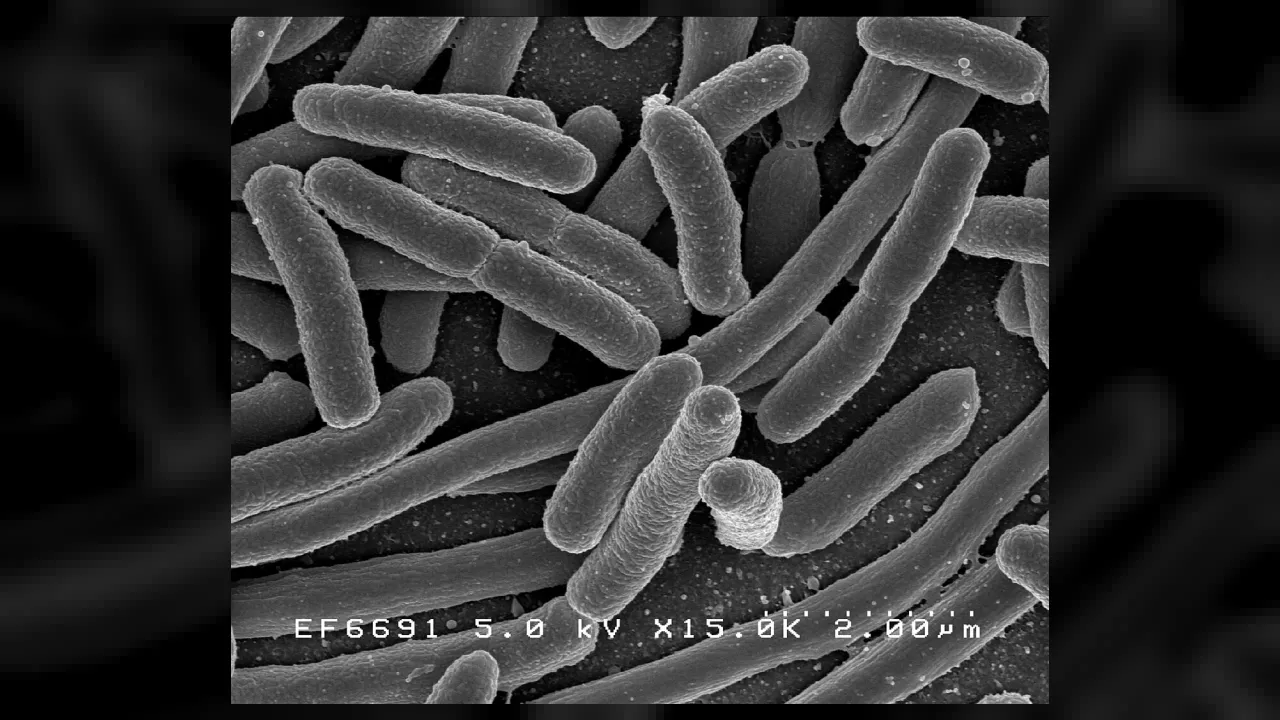
Imagine a bustling rainforest where hundreds of different species live side by side. Inside your intestines lives a similar called the gut . It includes trillions of tiny bacteria, harmless fungi, and other microscopic life.
2
Super Fiber Chefs
Human stomachs cannot break down every kind of plant fiber on their own. Your gut microbes act like tiny chefs with special tools! They chop up fibers from berries, carrots, and whole grains to unlock extra energy and vitamins.
3
Training Body Guards
Your also teaches your cells who is a friend and who is a sneaky germ. Eating lots of different plants keeps this microscopic team balanced and strong.
1. Why is the gut microbiome often compared to a rainforest?
2. Who has the exact same gut microbiome as you?
🤯 Mind-Blowing Fact • Grade 3
About ninety percent of your body's supply of serotonin—a chemical famous for helping regulate mood and digestion—is made right in your gut!
✨ Word Sparks (Grade 3 Glossary)
Tap 🔊 to hear
Symbiosis
Close partnership that helps two living things thrive
Probiotics
Live helpful microbes found in foods like yogurt
Prebiotics
Plant fibers that feed friendly gut bacteria
🪝
What secret messages are tiny microbes in your belly sending straight up to your brain?
1
A Partnership Millions of Years Old
Peer through a powerful microscope at a drop from the human colon, and a dazzling world springs to life! Roughly 38 trillion microorganisms—mostly friendly bacteria—form your gut microbiome. Together, you and your microbes share a , a close partnership where both sides win: you provide a warm, oxygen-free home, and they perform chemical jobs human cells cannot do.
2
Prebiotics and Probiotics
Scientists group gut-friendly foods into two helpful teams. are live friendly microbes found in fermented treats like yogurt and kefir. are special plant fibers in bananas, oats, garlic, and beans that feed the good microbes already living inside you.
3
Coaches for the Immune System
Nearly seventy percent of your body's immune cells sit right along your digestive tract! Friendly gut microbes train those immune guards to stay calm around harmless foods while springing into action against invaders.
4
Talking Along the Gut-Brain Highway
Amazingly, gut microbes even craft chemical messengers like serotonin that signal along the vagus nerve, linking a happy tummy to a calm, focused brain.
1. What is the difference between probiotics and prebiotics?
2. Which long nerve acts like a phone line between your gut microbiome and your brain?
🤯 Mind-Blowing Fact • Grade 4
While human DNA carries recipes for only about 17 carbohydrate-digesting enzymes, a single species of friendly gut bacteria can carry more than 250!
✨ Word Sparks (Grade 4 Glossary)
Tap 🔊 to hear
Enzymes
Special proteins that speed up chemical breakdowns
Dysbiosis
An unhealthy imbalance in your gut microbe community
Archaea
Ancient single-celled microbes distinct from regular bacteria
🪝
How can microscopic organisms with tiny single cells possess over a hundred times more genes than the entire human genome?
1
An Extra Organ Made of Microbes
Picture thirty-eight trillion microscopic chemists working around the clock inside your digestive tract—roughly matching the 30 to 37 trillion human cells that build the rest of your body! Although each bacterium is tiny, totaling only about half a pound in weight, the gut microbiome includes between 500 and 1,000 distinct species of bacteria, , harmless viruses, and fungi. Because their combined DNA holds millions of unique protein recipes, biologists often describe the microbiome as a 'virtual organ.'
2
Why Location Changes Everything
Not every stretch of your digestive tube welcomes a crowd. Harsh hydrochloric acid in the stomach and fast-moving digestive juices in the upper small intestine allow relatively few microbes to settle there. Down in the calm, neutral, oxygen-poor colon, however, populations skyrocket to hundreds of billions of microbes per gram of contents.
3
Chemical Factories and Barrier Builders
Human DNA encodes fewer than twenty capable of snipping complex carbohydrates, whereas gut bacteria wield thousands! When species from groups like Bacteroidota and Bacillota ferment plant polysaccharides, they release short-chain fatty acids that tighten the seals between intestinal cells, preventing stray toxins from leaking into blood vessels.
4
Keeping the Ecosystem in Balance
A diverse diet of colorful vegetables, legumes, nuts, and fermented foods nurtures microbial variety. When illness or overuse of broad-spectrum antibiotics wipes out helpful species—a state called —doctors help restore balance carefully.
1. Why are there far fewer microbes in the stomach than in the colon?
2. Why do scientists sometimes call the gut microbiome a 'virtual organ'?
🤯 Mind-Blowing Fact • Grade 5
Your collective gut microbiome contains more than two million unique genes—over one hundred times the number of protein-coding genes in your own human DNA!
✨ Word Sparks (Grade 5 Glossary)
Tap 🔊 to hear
Metagenome
Combined genetic material of an entire microbe community
Anaerobes
Microorganisms that survive only without free oxygen
Pathogens
Harmful germs capable of causing sickness or infection
🪝
Why were most of your gut's trillions of inhabitants completely invisible to science until DNA sequencing bypassed the petri dish?
1
Uncovering an Invisible Metropolis
When Dutch microscopist Antonie van Leeuwenhoek first peered at human samples in the 1680s, he marveled at tiny 'animalcules' darting across his lens. Yet for three centuries afterward, microbiologists struggled to grow gut microbes in laboratory petri dishes because the vast majority are strict —exposure to ordinary room oxygen kills them within minutes! Only in the twenty-first century, spurred by high-throughput metagenomic sequencing and the Human Microbiome Project launched in 2007, could scientists catalog all microbial DNA directly.
2
Scale, Ratios, and Genetic Wealth
Careful quantitative studies show an average human harbors roughly 38 trillion gut microorganisms weighing approximately 200 grams (0.44 pounds), establishing nearly a 1.3-to-1 ratio of microbial cells to human cells. Genetically, however, the contrast is staggering: while the human genome contains roughly 20,000 protein-coding genes, the collective gut encompasses more than 2 to 3 million distinct microbial genes.
3
Metabolic Alchemy in the Lumen
Dominated by phyla such as Bacteroidota, Bacillota, and Actinomycetota, colonic consortia dismantle dietary fibers into acetate, propionate, and butyrate. These short-chain fatty acids lower luminal pH to discourage like Salmonella, stimulate mucin secretion, and strengthen tight-junction proteins between epithelial cells. Simultaneously, gut microbes modify liver bile acids and synthesize essential micronutrients including vitamin K2, cobalamin, folate, and riboflavin.
4
Immune Calibration and the Gut-Brain Axis
From birth onward, microbial surface molecules interact with dendritic cells in gut-associated lymphoid tissue (GALT), teaching regulatory T cells to tolerate food antigens and friendly flora while staying vigilant against invaders. Along the bidirectional gut-brain axis, microbial metabolites influence enteroendocrine cells, vagal afferents, and systemic inflammation.
5
Nurturing Ecological Resilience
Nutrition researchers have discovered that people who eat thirty or more distinct plant foods weekly cultivate measurably richer microbial diversity—proving that every colorful meal helps tend an ancient internal ecosystem.