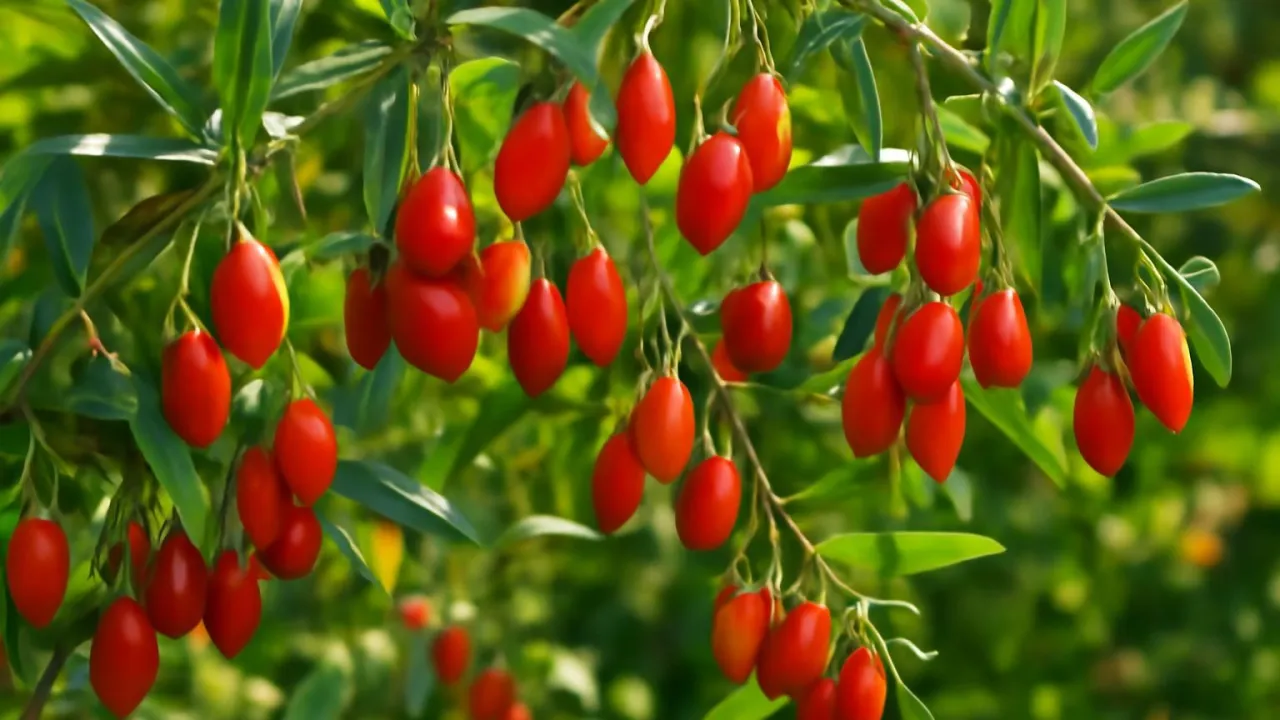
Goji berries have been eaten in China for over 2,000 years!
✨ Word Sparks (Grade 2 Glossary)
Tap 🔊 to hear
antioxidants
Special things that help keep your body healthy
vitamins
Nutrients that help your body grow strong
traditional
Something done for a long time by many people
🪝
Have you ever seen tiny red berries that help keep you healthy?
1
What Are Goji Berries?
Goji berries are small, bright red fruits that grow on bushes. They look shiny and smooth, and people like to eat them. These berries taste sweet and a little sour, making them a tasty snack.
2
Where Do They Grow?
Goji bushes grow best in sunny, warm places like parts of Asia. They need regular watering to stay healthy and produce many berries. Farmers often grow them in gardens or farms where the sun shines bright.
3
Why Are They Special?
Goji berries are packed with and that help keep people strong. People have used them for thousands of years in medicine. Eating goji berries can be a yummy way to stay healthy every day.
Goji berries contain more antioxidants than many other fruits like blueberries or strawberries!
✨ Word Sparks (Grade 3 Glossary)
Tap 🔊 to hear
antioxidants
Helpers that protect your body from damage
pollinate
When insects help flowers make seeds
adaptation
A special trait that helps plants survive
🪝
Did you know goji berries have special powers to protect your body?
1
Goji Berries and Their Look
Goji berries are bright red and grow in clusters on thorny bushes. Their smooth skin helps protect the soft fruit inside from insects. These berries are small but packed with nutrients that help the body stay healthy.
2
Growing in Sunny Places
Goji bushes grow best in warm, sunny climates, especially in Asia. They need enough water and sunlight to produce many berries. This plant’s allows it to survive dry seasons and still bear fruit.
3
Health Benefits and Uses
People eat goji berries because they contain that fight harmful molecules called free radicals. These antioxidants help protect cells and support the immune system. Goji berries are often used in teas, snacks, and traditional medicine.
4
How Goji Berries Help Plants
Goji bushes provide food for birds and insects, which help flowers. This pollination helps the plant produce more berries. The berries also spread seeds, helping the plant grow in new places.
Goji berries help support both wildlife food webs and human health worldwide!
✨ Word Sparks (Grade 4 Glossary)
Tap 🔊 to hear
symbiotic
A helpful relationship between living things
dispersal
When seeds spread to new places
sustainable
Using resources without harming nature
🪝
How do tiny goji berries play a big role in their ecosystems and people’s health?
1
Adaptations for Survival
Goji bushes have thorny branches that protect them from hungry animals, and their bright red berries attract birds for seed . These adaptations help the plant survive and spread across dry, sunny regions in Asia. The bright color also warns some animals that the berries might taste bitter, protecting the plant’s seeds.
2
Ecosystem Roles
Goji berries serve as food for many birds and insects, creating a relationship where pollinators help the plant reproduce. This food web connection supports biodiversity and helps maintain healthy ecosystems. By feeding on the berries, animals help spread seeds to new areas, encouraging plant growth far from the original bush.
3
Agricultural and Human Impact
Farmers cultivate goji bushes for their nutritious berries, which are popular worldwide. However, overharvesting and habitat loss can threaten wild goji populations, so farming practices are important to protect this valuable plant. Efforts to grow goji bushes in controlled environments help reduce pressure on natural habitats.
4
Geographic Distribution
Native to China and other parts of Asia, goji berries now grow in many countries with similar climates. Their ability to thrive in dry, sunny environments allows them to adapt to new regions, expanding their global presence. This spread has increased awareness of their health benefits and culinary uses around the world.
2. Why is sustainable farming important for goji berries?
🤯 Mind-Blowing Fact • Grade 5
Goji berries contain nearly twice the antioxidants of blueberries per same serving size!
✨ Word Sparks (Grade 5 Glossary)
Tap 🔊 to hear
oxidative stress
Damage caused by harmful molecules in the body
polysaccharides
Complex sugars that help your body stay healthy
deciduous
Plants that lose their leaves each year
🪝
What scientific secrets make goji berries a powerful fruit for ecosystems and human health?
1
Taxonomy and Botanical Characteristics
Goji berry, scientifically named Lycium barbarum, belongs to the Solanaceae family, which includes tomatoes and potatoes. This shrub grows between one and two meters tall and produces bright red, ellipsoid berries that are rich in nutrients. Its thorny branches and narrow leaves are adaptations to arid environments, helping reduce water loss efficiently.
2
Physiological Mechanisms and Nutritional Value
Goji berries contain high levels of antioxidants such as zeaxanthin and vitamin C, which neutralize free radicals and reduce in the human body. The plant’s ability to synthesize these compounds increases under sunlight exposure, enhancing berry nutritional quality. Additionally, their support immune function and may have anti-inflammatory effects.
3
Conservation and Historical Use
Historically, goji berries have been cultivated in China for over 2,000 years, valued in traditional medicine for boosting vitality and longevity. Modern agricultural practices aim to balance commercial production with conservation of wild populations, which face threats from habitat loss and overharvesting. Efforts include sustainable farming and habitat restoration projects.
4
Ecological Role and Geographic Spread
Native to temperate and subtropical regions of Asia, goji bushes contribute to local ecosystems by providing food for birds and insects, which facilitate pollination and seed dispersal. Their adaptability to dry, sunny climates has allowed introduction into similar environments worldwide, including parts of Europe and North America.
5
Quantitative Comparisons and Growth Conditions
Goji bushes typically grow 3 to 6 feet tall (1 to 2 meters) and produce berries weighing about 1 gram each. The plants thrive in temperatures ranging from 59 to 86 degrees Fahrenheit (15 to 30 degrees Celsius) and require well-drained soil with moderate watering. Compared to blueberries, goji berries contain nearly twice the antioxidant levels per serving.