1. Why do NASA food scientists pack soft tortillas instead of crumbly bread loaves for astronauts?
2. What does 'texture' describe in food science?
🤯 Mind-Blowing Fact • Grade 2
Pop Rocks candy was invented by a food scientist in 1956 who trapped tiny bubbles of fizzy soda gas inside hard sugar crystals!
✨ Word Sparks (Grade 2 Glossary)
Tap 🔊 to hear
pasteurization
Brief heating that zaps germs in milk
spoil
When food goes bad and unsafe
packaging
Boxes, bags, or cartons protecting food
🪝
How does milk get from a dairy farm to your school lunch carton without spoiling on the way?
1
Where Kitchens Meet Microscopes
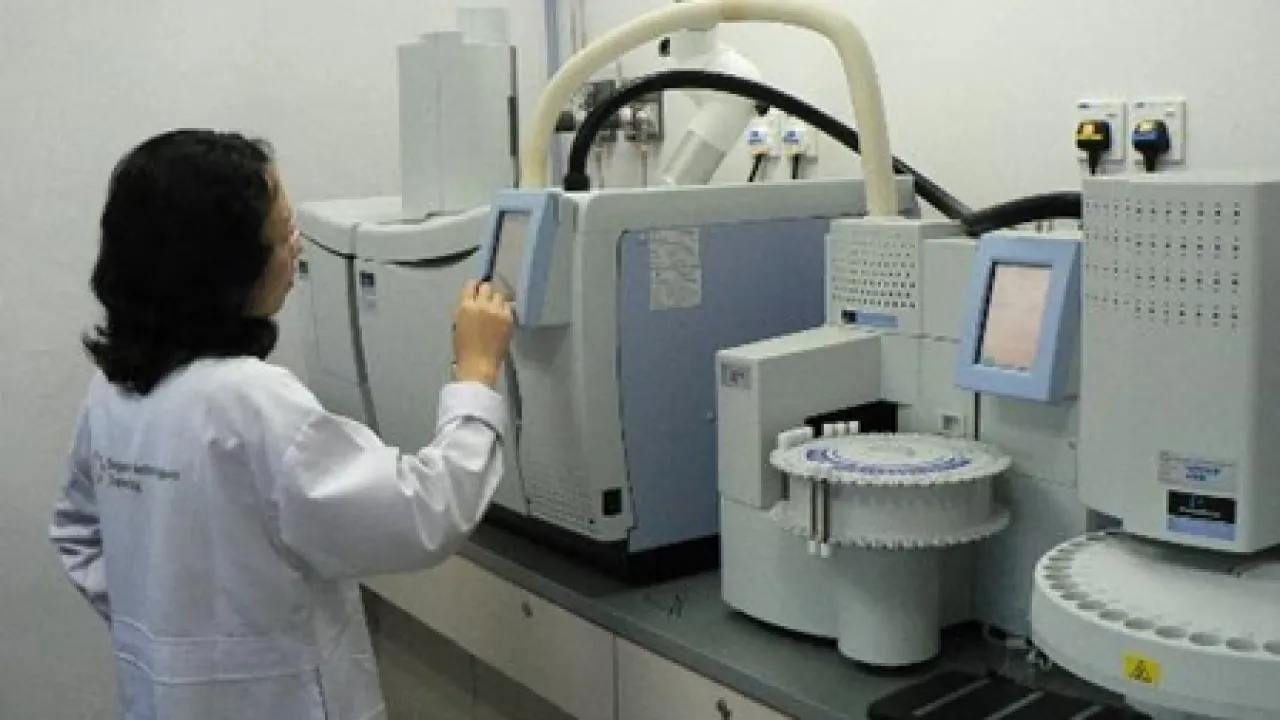
Imagine a workplace that is half kitchen and half chemistry lab! Testing new yogurt flavors at one bench and checking apple juice under a microscope at the next is the daily job of a food scientist.
2
Stopping Sneaky Microbes
Invisible bacteria and mold love warm, damp food. Scientists protect milk and juice through —heating liquid briefly to zap harmful germs while keeping the fresh taste and vitamins intact!
3
Inventing Better Groceries
They also figure out how to keep ice cream scoopable instead of icy, make crackers stay crisp on rainy days, and create tasty plant-based snacks.
1. How does pasteurization make farm milk safe for kids to drink?
2. Why are potato chip bags puffed up with harmless nitrogen gas instead of regular air?
🤯 Mind-Blowing Fact • Grade 3
George Washington Carver developed over three hundred uses and food products from peanuts and sweet potatoes at Tuskegee Institute, helping southern farmers restore worn-out soil!
✨ Word Sparks (Grade 3 Glossary)
Tap 🔊 to hear
pH
Scale measuring how sour or acidic something is
shelf life
How long stored food stays safe and tasty
sensory panel
Tasters scoring flavor, smell, and crunch fairly
🪝
Why do taste testers sometimes sit under red lights while trying a brand-new snack?
1
Inside the Sensory Booth
Step into a quiet tasting booth lit with soft red lamps! Why the colored light? If one strawberry smoothie looks slightly pinker than another, your eyes might trick your brain into thinking it tastes sweeter—so a food scientist hides color differences during blind taste tests!
2
Chef vs. Food Scientist
While a restaurant chef cooks fresh meals to eat right away, a food scientist figures out how to make ten thousand jars of tomato sauce taste just as delicious six months later on a supermarket shelf.
3
Measuring Acidity and Moisture
Harmful bacteria hate sour acids and dry spaces. Using digital meters, scientists check that salsa and pickles are tangy enough to stay safe inside sealed jars, and measure moisture so raisins and crackers never mold.
4
Natural Colors from Plants
Today, food chemists replace artificial dyes with vibrant colors extracted from purple carrots, red beets, golden turmeric, and blue spirulina algae!
1. Why do food scientists sometimes use red lights in sensory tasting booths?
2. Which natural plants give bright red, yellow, and purple colors to modern snacks?
🤯 Mind-Blowing Fact • Grade 4
Archaeologists opened sealed jars of pure honey from 3,000-year-old Egyptian tombs and found it still unspoiled—thanks to honey's naturally low water activity and mild acidity!
✨ Word Sparks (Grade 4 Glossary)
Tap 🔊 to hear
sublimation
Solid ice turning straight into gas vapor
fortify
Adding helpful vitamins or minerals to food
microbiology
Science studying microscopic bacteria, yeasts, and molds
🪝
How does sublimating ice straight into vapor let astronauts and backpackers eat lightweight strawberries years later?
1
Skipping Liquid Water Completely
Slice a ripe strawberry, freeze it rock-solid at minus 40 degrees Fahrenheit, and lower the air pressure inside a vacuum chamber: instead of melting into mushy juice, the ice crystals turn directly into water vapor! Guiding that phase-change magic—called —a food scientist creates feather-light freeze-dried fruit that locks in 97 percent of its vitamins.
2
Water Activity vs. Water Content
Why can chewy honey sit safely in a cupboard for years while moist bread molds in a week? Food microbiologists measure water activity—how much 'free' water is unbound and available for microbes to drink. Honey binds water tightly to natural sugars, starving bacteria and mold through osmosis!
3
Fortifying Public Health
Food scientists teamed up with doctors in the twentieth century to solve devastating vitamin shortages: adding iodine to table salt, Vitamin D to milk for strong bones, and B-vitamins and iron to enriched flour eliminated illnesses that once harmed thousands of American children.
4
Virginia's Agricultural Labs
At land-grant universities like Virginia Tech and Virginia State University, food scientists help regional apple orchards, dairy farms, peanut growers, and seafood processors bring safe harvests to market.
1. How does freeze-drying preserve strawberries without making them shriveled and tough?
2. Why was Vitamin D added to milk by food scientists and public health teams?
🤯 Mind-Blowing Fact • Grade 5
High-Pressure Processing (HPP) machines keep store-bought guacamole bright green and germ-free by squeezing sealed tubs under 87,000 pounds per square inch of cold water—equivalent to stacking three elephants on a single postage stamp!
✨ Word Sparks (Grade 5 Glossary)
Tap 🔊 to hear
HACCP
Step-by-step safety system preventing food hazards
rheology
Science of how liquids and soft solids flow
pathogen
A microscopic germ that causes illness
🪝
How did NASA's space-race safety rules—and modern biopolymer engineering—revolutionize global food safety and sustainability?
1
Zero Margin for Error in Orbit
In the 1960s, as NASA prepared to send Apollo astronauts 240,000 miles to the Moon, one question loomed large: what if food poisoning struck inside a tiny spacecraft days from Earth? Testing just a few random cans at the end of a factory line wasn't safe enough—so Pillsbury food scientist Howard Bauman and NASA engineers invented * (Hazard Analysis and Critical Control Points*), monitoring every temperature, pH, and seal step along the way!
2
From Appert's Jars to High-Pressure Physics
Food preservation science began in 1809 when French confectioner Nicolas Appert sealed heated food in glass bottles, followed fifty years later by Louis Pasteur proving that microscopic organisms—not 'bad air'—caused spoilage. Today's food engineers even pasteurize fresh guacamole and cold-pressed juices without heat: High-Pressure Processing (HPP) squeezes sealed packages under 87,000 pounds per square inch of cold water—six times deeper than the Mariana Trench—inactivating while keeping fresh raw flavor and green chlorophyll intact!
3
Rheology and Colloid Chemistry
Why does ketchup stay thick in the bottle until you shake it, then flow smoothly (shear-thinning), whereas ice cream needs micro-crystals smaller than 50 micrometers to taste creamy instead of gritty? Food physicists study —the flow and deformation of matter—alongside natural plant gums, starches, and proteins.
4
Upcycling and Plant-Protein Extrusion
To feed billions sustainably, modern food scientists extrude pea and soy proteins into fibrous textures, upcycle spent grain and fruit pulp into high-fiber flours, and engineer compostable seaweed or plant-starch wrappers.
5
Guardians of the Global Table
Working across the FDA, USDA, universities, and test kitchens, food scientists ensure roughly three hundred million Americans can trust every bite on their fork.