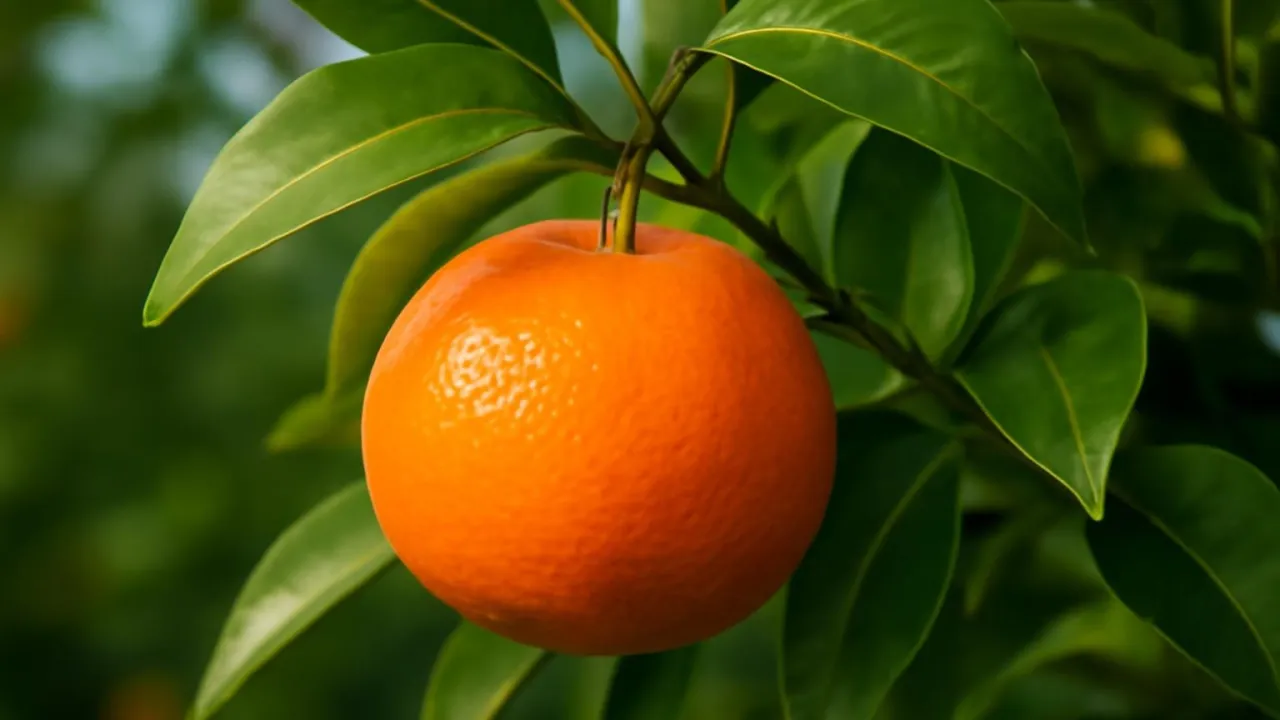
Clementines are seedless and easy to peel, making snack time quick and fun!
✨ Word Sparks (Grade 2 Glossary)
Tap 🔊 to hear
citrus
A group of fruits like oranges and lemons
ripe
Fruit ready to eat and tastes good
seedless
Without seeds inside the fruit
🪝
Have you ever tasted a fruit that is easy to peel and sweet?
1
What Clementines Look Like
Clementines are small, round fruits with bright orange skin. Their skin is smooth and easy to peel by hand. They smell very sweet and fresh when .
2
Where Clementines Grow
Clementine trees grow best in warm places with lots of sunshine. They need regular watering to grow healthy. Farmers pick clementines when the fruit is fully and sweet.
3
A Special Feature
Clementines usually have no seeds inside, which makes them fun to eat. Their juicy flesh is very sweet and easy to separate into slices. Many people enjoy eating them as snacks.
Clementines’ seedless nature is a special adaptation people love to eat and share!
✨ Word Sparks (Grade 3 Glossary)
Tap 🔊 to hear
pollination
When bees help flowers make fruit
nutrients
Food plants get from soil to grow
adaptation
A trait that helps plants survive
🪝
Did you know clementines are a special kind of citrus fruit with no seeds?
1
Clementine’s Bright Appearance
Clementines are small citrus fruits with smooth, bright orange skin that is easy to peel. Their shiny skin helps protect the juicy fruit inside from drying out. This bright color also helps them stand out to animals that spread their seeds. The fruit’s sweet smell attracts people and animals alike.
2
Growing in Warm Places
Clementine trees thrive in warm climates with plenty of sunshine and regular water. They absorb from the soil to grow healthy fruit. The trees produce flowers that turn into fruit after by bees. This cycle helps the fruit develop and ripen on the branches.
3
Seedless and Sweet
Most clementines have no seeds, which is unusual for citrus fruits. This seedless trait makes them popular for eating fresh and sharing. Their juicy segments separate easily, making them convenient snacks. The sweetness comes from natural sugars that build up as the fruit ripens.
4
How Clementines Survive
The smooth, thick skin protects clementines from pests and weather damage. Their bright color can also act as camouflage among leaves to avoid some predators. The tree’s leaves provide shade to keep the fruit cool during hot days. These help clementines grow safely until harvest.
Clementines’ seedless trait comes from hybrid breeding, making them a favorite sweet snack worldwide!
✨ Word Sparks (Grade 4 Glossary)
Tap 🔊 to hear
hybrid
A plant made by mixing two kinds
pollinators
Animals like bees that help plants grow
sustainable
Farming that protects nature and soil
🪝
Have you wondered how clementines grow so sweet and seedless in warm places?
1
Clementine’s Bright Color and Protection
Clementines have bright orange skin that protects the juicy fruit inside from drying out and insect damage. This colorful skin also signals ripeness to animals that help spread seeds, even though most clementines are seedless. The thick peel acts as a barrier against harsh weather conditions, helping the fruit survive until harvest time.
2
Growing in Mediterranean Climates
Clementine trees grow best in Mediterranean climates with warm temperatures and moderate rainfall. These trees require full sunlight and well-drained soil to absorb nutrients efficiently. Pollination by bees is essential for fruit development, even though many clementines are seedless . Farmers carefully monitor water and sun exposure to produce sweet, juicy fruit.
3
Role in Ecosystems and Humans
Clementines provide food for many animals and humans, fitting into food webs as a sweet energy source. Their flowers attract like bees, supporting biodiversity. Humans cultivate clementines for fresh eating and juice production, impacting agriculture worldwide. farming practices help protect soil and water resources during clementine cultivation.
4
Seedless Trait and Adaptations
The seedless nature of clementines is a result of breeding, making them easier to eat and share. Their smooth peel and sweet flesh are adaptations that encourage animals and humans to spread the fruit. The tree’s leaves provide shade to protect fruit from heat stress, improving survival rates. These traits have helped clementines become popular worldwide.
Clementines can be peeled in under 30 seconds and contain about 9 grams of natural sugar each!
✨ Word Sparks (Grade 5 Glossary)
Tap 🔊 to hear
hybridization
Mixing two plants to make a new kind
pollination
Bees helping flowers make fruit seeds
sustainable
Farming that keeps nature safe and healthy
🪝
Did you know clementines are seedless hybrids prized for their sweet taste and easy peel?
1
Scientific Classification and Origin
Clementines belong to the genus Citrus and are scientifically named Citrus × clementina. They originated in the Mediterranean region as a hybrid between mandarins and sweet oranges. This resulted in a fruit that combines sweetness with easy peelability. The clementine is classified as a botanical fruit and is widely cultivated globally.
2
Physiological Traits and Growth
Clementines grow on small evergreen trees that reach heights of about 10 to 15 feet (3 to 4.5 meters). Their smooth, glossy peel contains essential oils that protect the fruit from pests and dehydration. The fruit’s segments are juicy, containing natural sugars and vitamin C, which develop fully after and ripening. These trees require full sun exposure and moderate watering for optimal growth.
3
Conservation and Agricultural History
Clementines were first cultivated in the early 20th century and have since become popular worldwide due to their seedless nature and sweet flavor. Agricultural breeding programs focus on improving disease resistance and yield while maintaining fruit quality. farming practices are increasingly important to reduce pesticide use and conserve water resources during cultivation.
4
Ecological Role and Human Impact
Clementine flowers attract pollinators such as honeybees, which play a crucial role in fruit development and broader ecosystem health. The fruit provides food for various animals and humans, fitting into local food webs as a source of energy. Human cultivation has expanded clementine production beyond native regions, impacting soil and water use. Efforts to balance agriculture with environmental conservation are ongoing.
5
Quantitative Comparisons and Superpowers
A typical clementine measures about 3 inches (7.5 centimeters) in diameter and weighs approximately 70 grams. Its peel can be removed in less than 30 seconds by hand, making it one of the easiest citrus fruits to eat. Clementines contain roughly 9 grams of natural sugar per fruit, providing a quick energy boost. They thrive best in temperatures between 55 and 85 degrees Fahrenheit (13 to 29 degrees Celsius).