Chefchaouen Blue City
A Magical Maze of Blue Walls and Hills
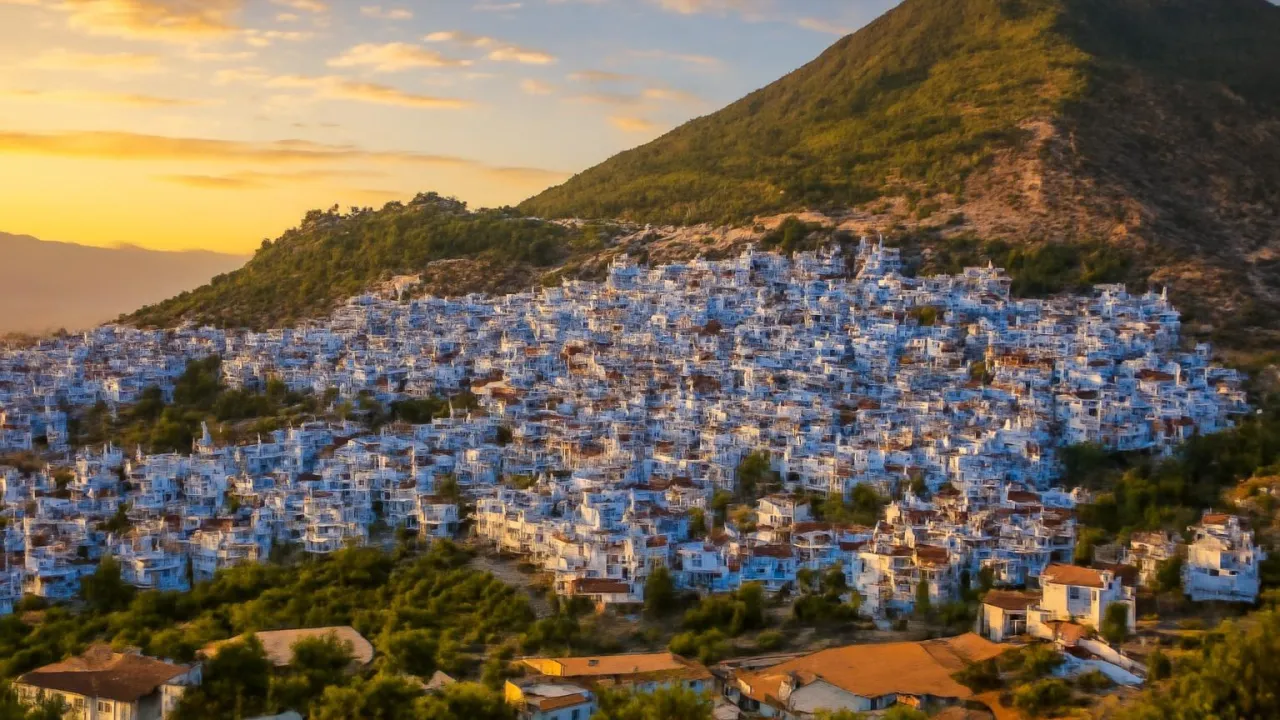
Chefchaouen’s blue color tradition is so influential that it has inspired scientific studies on how color affects temperature, mood, and even insect behavior.
1 A City of Blue in the Rif Mountains
Chefchaouen, founded in 1471, is perched at 2,000 feet in Morocco’s rugged Rif Mountains, where over 1,000 buildings are coated in vibrant blue hues. The city’s medina, a UNESCO-recognized historic quarter, is a labyrinth of narrow alleys, arched passageways, and terraced rooftops. The blue tradition began with Jewish refugees in the 15th century, who painted their homes blue as a symbol of the sky, spirituality, and hope. Today, this tradition is embraced by all residents, making Chefchaouen a living canvas that draws artists, scholars, and travelers from around the world.
2 The Chemistry and Physics of Blue Walls
The blue pigment used in Chefchaouen is often derived from local minerals such as , copper sulfate, or azurite, blended with lime and water for durability. Scientifically, blue surfaces reflect short-wavelength visible light, which helps lower the absorption of solar heat and keeps interiors cooler during Morocco’s hot summers. Some researchers also note that the blue pigment’s properties may deter insects like mosquitoes, contributing to a more comfortable living environment. The city’s elevation and mountain microclimate further enhance the cooling effect, making Chefchaouen a unique example of environmental adaptation.
3 Tradition, Ritual, and Community Identity
Every spring, residents participate in a city-wide ritual of repainting their homes, reinforcing both communal bonds and the medina’s iconic appearance. This annual event is more than maintenance; it is a celebration of , identity, and pride. The blue color has become a powerful symbol of Chefchaouen’s peaceful coexistence, blending Islamic, Jewish, and Berber cultural influences. The tradition also supports local artisans, whose handcrafted blue pigments and brushes are sold in bustling markets throughout the city.
4 Global Impact and Cultural Significance
Chefchaouen’s blue cityscape is now recognized internationally as a symbol of Morocco’s cultural diversity and artistic . The medina attracts over 200,000 visitors annually, supporting local economies and inspiring artists, photographers, and filmmakers. Its unique blend of architectural design, color psychology, and environmental adaptation has been studied in fields ranging from urban planning to anthropology. The city’s preservation efforts ensure that its blue legacy continues for future generations.
5 A Living Laboratory of Art and Science
Chefchaouen is not just a tourist attraction but a living laboratory where art, science, and history intersect. The city’s blue tradition demonstrates how cultural practices can have practical scientific benefits, such as temperature regulation and pest control. Its architecture, shaped by centuries of adaptation to mountain terrain, features thick stone walls, small windows, and shaded courtyards that optimize comfort in a challenging climate. Chefchaouen’s story invites us to explore how human creativity and community can transform a city into a masterpiece of both beauty and function.
1. How does Chefchaouen’s blue paint help regulate the city’s temperature?
2. Why is the annual repainting of Chefchaouen’s medina important to its community?