1. Where is almost all of the calcium in your body stored?
2. Which non-dairy plant food also gives your bones helpful calcium?
🤯 Mind-Blowing Fact • Grade 2
Tooth enamel—built mostly from tightly packed calcium crystals—is the single hardest substance anywhere in the human body!
✨ Word Sparks (Grade 2 Glossary)
Tap 🔊 to hear
Crystal
Repeating mineral pattern making bones rock-hard
Clot
Natural plug stopping a small skin cut
Deposit
To store away supplies for later use
🪝
Why are your bones way lighter than solid rocks, yet strong enough to land a big jump?
1
Flexible Glue Plus Hard Crystals
Hop off a playground step and feel your legs spring! If bones were made only of chalky calcium mineral, they would snap easily. Instead, bones weave stretchy collagen ropes together with hard calcium so they stay tough without shattering.
2
The One Percent VIP Job
Ninety-nine percent of your calcium hardens your skeleton and tooth enamel. What about the remaining one percent floating in blood? That tiny pinch helps your heart beat steadily, muscles squeeze, and scrapes !
3
Your Bone Savings Bank
Think of your skeleton like a piggy bank for calcium! Childhood and teen years are prime time to extra calcium by eating yogurt, sardines, kale, beans, or fortified plant milks while playing active outdoor games.
1. Why don't healthy bones snap like brittle chalk when you jump?
2. What important jobs use the tiny one percent of calcium outside your bones?
🤯 Mind-Blowing Fact • Grade 3
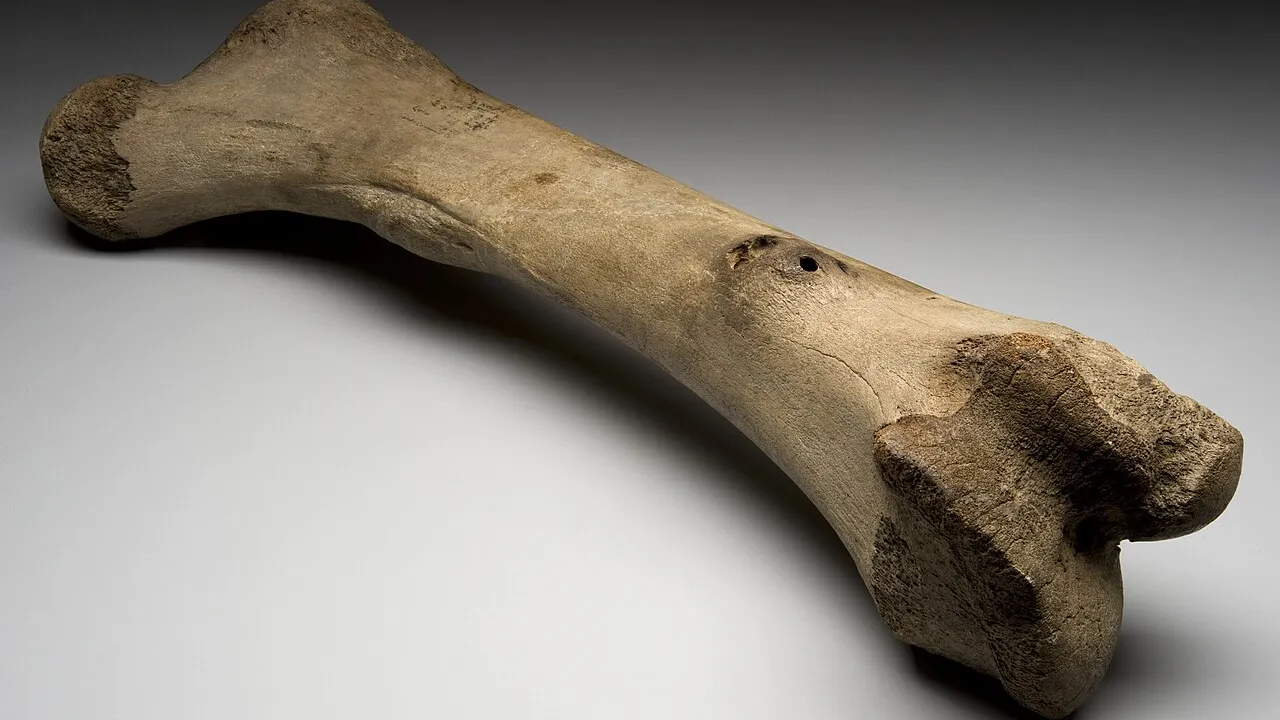
Pound for pound, healthy human thighbone reinforced with calcium crystals can support four times more weight than solid concrete!
✨ Word Sparks (Grade 3 Glossary)
Tap 🔊 to hear
Osteoclast
Cleanup cell dissolving worn-out bone spots
Remodel
Replacing old bone tissue with fresh bone
Weight-bearing
Exercise where feet and legs support you
🪝
Did you know your skeleton tears down tiny patches of old bone and builds brand-new bone every single day?
1
Two Demolition and Builder Crews
Museum skeletons look dry and unchanging, yet your living bones buzz with construction! One cleanup cell crew called dissolves tiny worn-out spots, while a builder crew called osteoblasts lays down fresh calcium crystals. Roughly every ten years, you almost an entire fresh skeleton!
2
Borrowing From the Bone Bank
Nerves and heart muscles cannot miss even a moment of calcium ions. If today's meals run low on calcium, hormones politely withdraw a tiny loan from your bone bank to keep blood calcium steady!
3
Gravity Builds Stronger Bones
Astronauts floating in space lose bone calcium fast because weightlessness gives skeletons no pushback. play on Earth—skipping, basketball, gymnastics, and climbing—signals osteoblasts to pack in extra calcium!
4
Teamwork With Vitamin D and K
Calcium never works solo. Vitamin D pulls calcium across your gut wall, while vitamin K in leafy greens helps steer calcium straight into bone matrix!
1. What happens if your meals don't provide enough calcium for your heart and nerves today?
2. Why do astronauts exercise against resistance machines every day in space?
🤯 Mind-Blowing Fact • Grade 4
Four tiny parathyroid glands—each no bigger than a grain of rice behind your neck—control the calcium balance of your entire skeleton!
✨ Word Sparks (Grade 4 Glossary)
Tap 🔊 to hear
Spongy Bone
Honeycomb inner bone strong yet lightweight
Parathyroid
Tiny neck glands regulating blood calcium levels
Synapse
Tiny gap where nerve cells pass messages
🪝
What happens when you soak a chicken bone in sour vinegar for a week—and what does it prove about calcium?
1
The Bendy Bone Experiment
Drop a clean chicken drumstick bone into a jar of vinegar for seven days, and something wild happens: you can bend the bone like a rubber eraser! Mild vinegar acid dissolves away the hard calcium-phosphate crystals—called hydroxyapatite—leaving behind only flexible collagen ropes. Conversely, baking away collagen leaves chalky mineral that crumbles easily. Real living bone combines both into an engineering marvel: dense compact bone outside, and honeycomb-like inside that saves weight while bracing stresses.
2
Two Hormones Guarding Blood Levels
Your body holds roughly one thousand milligrams of calcium per kilogram of weight, keeping ninety-nine percent locked in bone and a razor-steady one percent circulating in blood and cells. Four pea-sized glands behind your thyroid monitor blood calcium nonstop. If blood calcium dips, parathyroid hormone tells osteoclasts to release a pinch from bone, asks kidneys to save calcium, and activates vitamin D. When calcium rises, thyroid calcitonin nudges deposits back into bone.
3
Sparking Synapses and Muscle Fibers
Why guard that one percent so fiercely? Whenever a nerve signal reaches the tip of a neuron, tiny calcium gates pop open; rushing Ca2+ ions trigger chemical messengers to leap across the ! Inside muscles, calcium unlocks actin fibers so contractions happen.
4
Peak Bone Mass Window
Between ages nine and eighteen, kids need about 1,300 milligrams of calcium daily because skeletons build nearly half of their lifetime adult bone mass during the growing preteen and teen years!
1. Why does a bone soaked in vinegar for a week become bendy like rubber?
2. Why do nine-to-eighteen-year-olds need more daily calcium (1,300 mg) than grown adults?
🤯 Mind-Blowing Fact • Grade 5
Wait—even though spinach has lots of calcium on paper, bok choy and broccoli actually deliver far more usable calcium to your bones because they lack calcium-trapping oxalates!
✨ Word Sparks (Grade 5 Glossary)
Tap 🔊 to hear
Osteocyte
Bone sensor cell detecting footsteps and jumps
Trabecular
Lattice-like inner struts bracing bone ends
Bioavailability
Fraction of food nutrient your body absorbs
🪝
How do bone cells translate every footstep into electrical whispers that remodel your skeleton along exact lines of force?
1
Composite Bio-Architecture
Accounting for nearly two percent of human body weight, calcium (atomic number 20) is our most abundant mineral. Engineers admire bone as a self-healing composite material: osteoblasts secrete woven scaffolds of Type I collagen, then seed them with hexagonal nanocrystals of calcium phosphate known as hydroxyapatite—Ca10(PO4)6(OH)2. Collagen supplies tensile toughness against bending, while hydroxyapatite supplies immense compressive strength across dense cortical shafts and lightweight struts.
2
Wolff's Law and Mechanosensing Osteocytes
In 1892, German surgeon Julius Wolff observed that internal bone struts align precisely along mathematical stress lines, much like arched bridges! Today we know mature bone cells called —entombed within microscopic fluid tunnels—sense tiny fluid shifts every time you sprint or jump. Mechanical strain prompts osteocytes to dial down a brake protein called sclerostin, unleashing osteoblasts to reinforce high-stress zones while osteoclasts recycle idle bone.
3
Calcium as Life's Universal Second Messenger
In 1883, British physiologist Sydney Ringer accidentally used mineral-rich London tap water instead of distilled water on an isolated frog heart—discovering that heart muscle stops beating immediately without dissolved calcium ions (Ca2+)! Cells pump resting cytosolic Ca2+ ten thousand times lower than extracellular fluid so even a tiny influx acts as an instant biological trigger: unlocking troponin in muscle sarcomeres, releasing neurotransmitters at synapses, and activating blood-clotting cascades.
4
Endocrine Feedback and Bioavailability
Parathyroid hormone, calcitriol, and calcitonin keep plasma ionized calcium tightly locked near 1.1–1.3 millimoles per liter. Interestingly, food matrix shapes : humans absorb roughly thirty percent of dairy or fortified tofu calcium, over fifty percent from low-oxalate cruciferous greens like bok choy and kale, yet under ten percent from spinach because plant oxalates bind calcium tightly!
5
Investing Before Peak Bone Mass
Because skeletal mineral accretion peaks in the twenties before gradually declining, combining 1,300 milligrams of daily childhood/adolescent calcium, sufficient vitamin D, and dynamic impact play builds lifelong skeletal resilience.