Boudhanath Stupa (Kathmandu)
Whispers of Prayer Flags and Ancient Circles
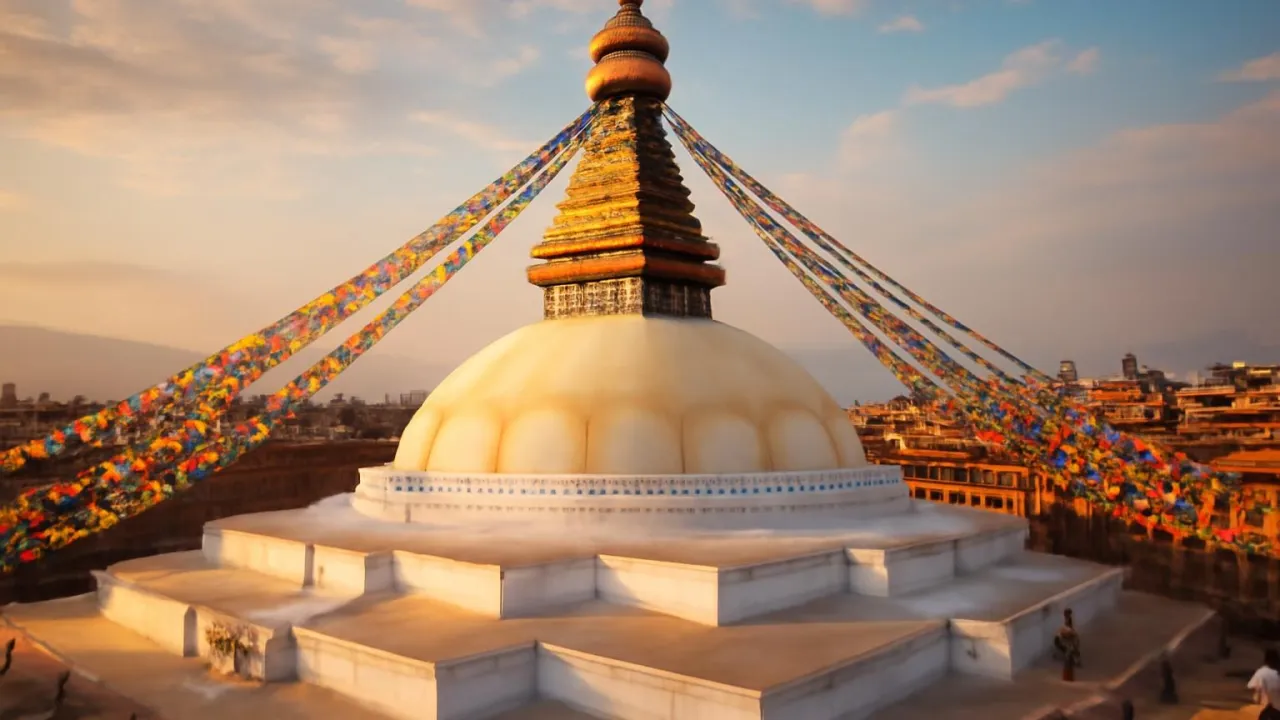
Boudhanath’s dome covers over 31,000 square feet—almost half the size of a soccer field!
1 A Monument of Spiritual Geometry
Boudhanath Stupa dominates the Kathmandu Valley skyline, its vast white dome and golden spire radiating spiritual energy and architectural brilliance. Constructed during the 5th to 6th century CE, the stupa’s design follows precise geometric and symbolic principles rooted in Buddhist . The monument’s massive mandala base, measuring 397 feet (121 meters) in diameter, represents the universe, while the dome’s hemispherical form symbolizes the infinite sky. The four sets of all-seeing Buddha eyes, painted on each cardinal direction, embody wisdom and watchfulness over the city.
2 Engineering Marvels and Earthquake Resilience
The stupa’s structural integrity relies on a sophisticated layering of brick, mud mortar, and whitewashed lime, creating both strength and flexibility. Its hemispherical dome distributes forces evenly, significantly reducing the risk of collapse during frequent Nepalese earthquakes. The monument’s central spire rises 118 feet (36 meters) high and is topped by thirteen golden tiers, each representing a stage on the path to enlightenment. After the devastating 2015 earthquake, engineers and artisans collaborated to restore the spire using traditional methods and modern seismic reinforcement techniques.
3 Prayer Flags: Carriers of Hope and Harmony
Thousands of prayer flags radiate from the stupa’s pinnacle, stretching outward in vibrant lines that ripple in the Himalayan breeze. Each flag is inscribed with sacred mantras and symbols, intended to spread blessings, compassion, and harmony as the wind passes through. The five traditional colors—blue, white, red, green, and yellow—represent sky, air, fire, water, and earth, reflecting the interconnectedness of all things in Buddhist philosophy. The continuous movement of these flags creates a living tapestry of prayer and cultural identity.
4 A Center for Pilgrimage and Cultural Unity
Boudhanath Stupa serves as a focal point for Buddhist pilgrimage, attracting devotees and tourists from across Nepal, Tibet, Bhutan, and beyond. The monument is encircled by monasteries, shops, and homes, forming a vibrant community dedicated to spiritual practice and cultural preservation. Daily rituals include , the spinning of prayer wheels, and the chanting of mantras, filling the air with a harmonious blend of sound, color, and incense. Annual festivals, such as Losar and Buddha Jayanti, transform the stupa plaza into a spectacular celebration of faith and unity.
5 Legacy, Restoration, and Global Significance
Recognized as a UNESCO World Heritage site since 1979, Boudhanath Stupa is a living testament to Nepal’s resilience, artistry, and spiritual heritage. Its restoration after the 2015 earthquake involved hundreds of local craftspeople, engineers, and monks, who meticulously rebuilt the spire and reinforced the structure for future generations. The stupa’s enduring presence continues to inspire peace, compassion, and intercultural understanding, making it a beacon of hope for people around the world. Its architectural and spiritual legacy bridges ancient tradition with modern global citizenship.
1. How did engineers improve the stupa’s resilience after the 2015 earthquake?
2. Why are the five colors of the prayer flags important?