👷 CAREERS
💼 Emergency Healthcare, Critical Care Nursing & Aviation Medicine
VA Economics, Civics & Career Readiness SOL K.8, 1.8, 2.8, 3.9
Air Ambulance Flight Nurse
Delivering Hospital Care Above the Clouds
Grade 2 • Developing • 94 words
🧭 Career FieldEmergency Medicine, Critical Care Nursing & Aeromedical Transport
🛠️ Key Tools & SkillsFlight helmet with noise-canceling headset, portable heart monitor, compact ventilator, IV pumps, and flight suit
🏢 WorkplaceMedical helicopters, fixed-wing air ambulances, hospital rooftop helipads, and rural rescue scenes
⚡ Everyday Impact SparkTurns a compact helicopter cabin into a flying intensive-care room to save critically injured or sick patients fast
🤯 Mind-Blowing Fact • Grade 1
A medical helicopter can fly more than two miles every single minute—skipping every red light and traffic jam below!
✨ Word Sparks (Grade 1 Glossary)
Tap 🔊 to hear
Helipad
Marked circle where helicopters land safely
Flight suit
Protective one-piece uniform worn by crew
Monitor
Screen watching heartbeat and breathing steadily
🪝
What happens when a patient needs a big hospital fast, and roads are too slow?
1
Hospital in the Sky
Whop-whop-whop! Helicopter blades spin on the hospital roof. An air ambulance flight nurse zips up a fire-safe and clicks on a helmet.
2
Fast Caring Hands
Inside the helicopter sits a tiny hospital room! It holds heart screens, oxygen, and medicine. The flight nurse cares for hurt or sick patients high in the air.
3
Safe Landing
Over traffic and mountains they zoom! Soon they touch down gently on the hospital pad so doctors can take over.
1. Why do communities use air ambulances with flight nurses?
2. Why does a flight nurse wear a special helmet with a built-in microphone inside the helicopter?
🤯 Mind-Blowing Fact • Grade 2
Because helicopters are too loud for regular stethoscopes, flight nurses train to feel pulses gently with their fingertips and read glowing wave screens!
✨ Word Sparks (Grade 2 Glossary)
Tap 🔊 to hear
Rotor
Spinning top blades lifting a helicopter
Incubator
Warm enclosed bed protecting tiny newborns
Paramedic
Emergency medical partner working beside flight nurses
🪝
How can a nurse listen to a patient's heartbeat when loud helicopter blades are roaring right overhead?
1
A Three-Person Sky Team
Tone sounds in the crew quarters—time to launch! Most medical helicopters carry a tight-knit team of three: an experienced pilot up front, plus a flight nurse and a flight in the cabin. Before takeoff, everyone completes a quick weather and safety check.
2
Watching Screens Instead of Listening
Inside a roaring helicopter, a regular stethoscope cannot hear soft chest sounds! Instead, the flight nurse relies on bright digital monitors that show heartbeats, oxygen levels, and breathing waves clearly.
3
Helping Tiny Babies and Country Towns
Flight nurses fly between small rural hospitals and big city children's centers, sometimes carrying warm, glowing for newborn babies!
1. Who usually makes up the three-person crew aboard a medical helicopter?
2. Why is a standard stethoscope hard to use in the middle of a helicopter flight?
🤯 Mind-Blowing Fact • Grade 3
Pilots are deliberately not told the patient's age or injury before deciding whether weather is safe to fly—a smart rule that prevents taking risky weather chances!
✨ Word Sparks (Grade 3 Glossary)
Tap 🔊 to hear
Intensive care
Close, high-tech hospital care for serious illness
Ventilator
Medical machine helping a patient breathe steadily
Turboprop
Airplane engine turning propellers for long flights
🪝
How do you pack an entire hospital intensive-care room into a cabin no bigger than a minivan?
1
Years of Experience Before First Liftoff
Becoming an air ambulance flight nurse takes years of preparation! Registered nurses first spend at least three to five years working in busy hospital emergency rooms and intensive-care units so they stay calm during any medical crisis.
2
Miniature Lifesaving Gear
Every pound matters on an aircraft, so flight gear is engineered small and tough. Clamped neatly around the stretcher are battery-powered that breathe for patients, miniature infusion pumps for exact medicine drops, handheld ultrasound wands, and warm blood packs.
3
Helicopters Versus Airplane Ambulances
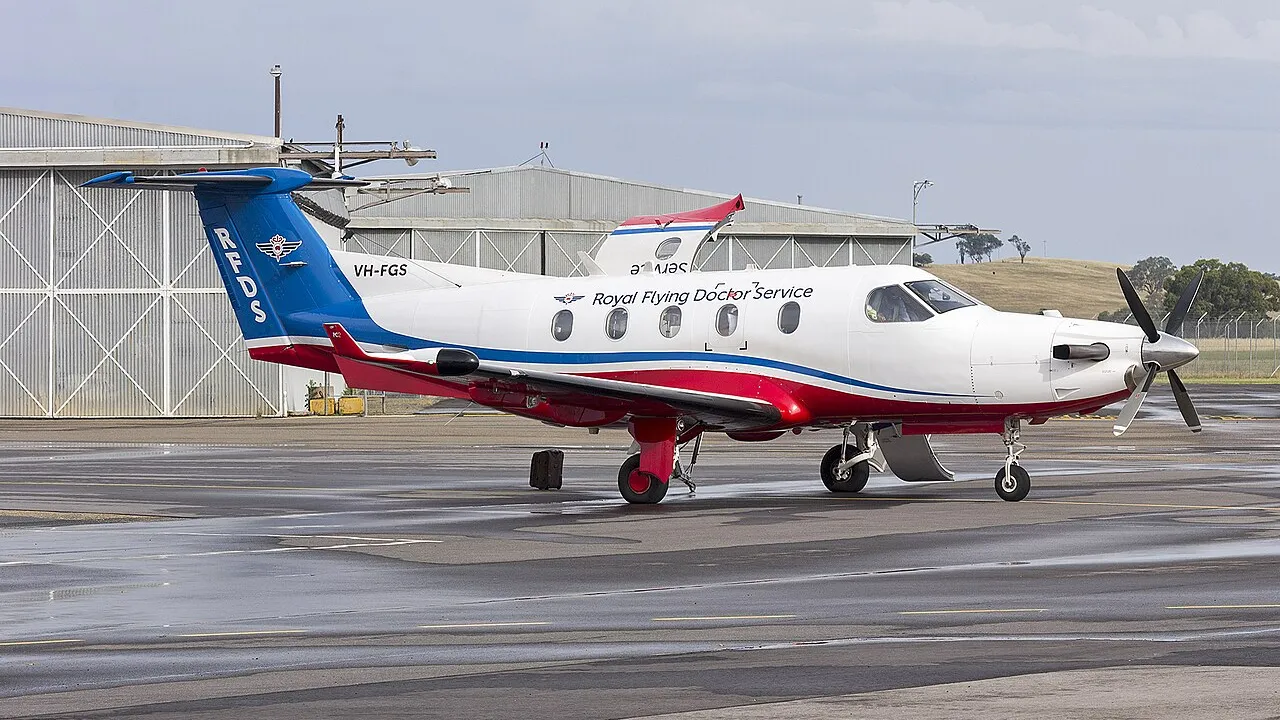
Helicopters land right beside mountain highways, farm fields, or island clinics for short-range rescues under one hundred fifty miles. For patients traveling across states, flight nurses work aboard pressurized jet or air ambulances.
4
Safety First on Every Call
Pilots make weather decisions without knowing how sick the patient is, keeping emotion separate so every flight stays safe for everyone aboard.
1. Why are air ambulance pilots told ONLY the pickup location and weather—not the patient's medical story—before accepting a flight?
2. When would a flight nurse ride in a fixed-wing airplane ambulance instead of a helicopter?
🤯 Mind-Blowing Fact • Grade 4
America's first civilian hospital-based medical helicopter program—Flight For Life in Denver, Colorado—launched in October 1972 and inspired hundreds of air ambulance teams nationwide!
✨ Word Sparks (Grade 4 Glossary)
Tap 🔊 to hear
Boyle's Law
Physics rule: lower air pressure expands gases
Trauma center
Specialized hospital equipped for severe emergency injuries
Protocol
Trusted step-by-step medical emergency action plan
🪝
Why does an unopened bag of potato chips—and medical air cuffs—puff up larger as a helicopter climbs higher into the sky?
1
Flight Physiology and Gas Laws in the Cabin
Picture taking a sealed snack bag up into Virginia's Blue Ridge Mountains: as altitude climbs, outside air pressure drops, and the air trapped inside the bag expands! Air ambulance flight nurses study gas physics—especially —because trapped air inside medical equipment or a patient's chest behaves the exact same way. Before climbing to cruising altitude, flight nurses replace air inside breathing-tube cuffs with sterile water so expanding gas cannot press on delicate tissues.
2
The 'Golden Hour' Across Rural Geography
Trauma surgeons often speak of the 'Golden Hour'—the urgent window after a severe accident or stroke when reaching a Level I makes the biggest difference. Across winding Appalachian valleys, Chesapeake Bay islands, and busy interstate corridors, flight nurses bridge long driving distances in minutes, starting hospital-level blood transfusions and airway care en route.
3
Night-Vision Coordination at Landing Zones
When landing at dusk on a country ballfield marked out by volunteer firefighters, crew teamwork shines. Wearing aviation helmets equipped with night-vision goggles, flight nurses scan behind and beside the aircraft for power lines and tree branches, calling out clear clock-position sightings to the pilot.
4
Advanced Clinical Autonomy
Guided by strict medical and radio links to trauma physicians, Certified Flight Registered Nurses (CFRNs) make rapid, life-sustaining clinical decisions thousands of feet above the ground.
1. According to Boyle's Law, why do flight nurses fill certain medical tube cuffs with sterile water instead of air before flying high?
2. How do local firefighters on the ground and flight nurses in the sky work together during a nighttime scene rescue?
🤯 Mind-Blowing Fact • Grade 5
Aeromedical crews live by the aviation safety motto 'Three to go, one to say no'—meaning all three crew members must agree conditions are safe to launch, and any single voice can cancel a flight!
✨ Word Sparks (Grade 5 Glossary)
Tap 🔊 to hear
Hypoxia
Too little oxygen reaching body tissues
Barometric pressure
Weight of surrounding air pressing down
Capnography
Monitoring exhaled carbon dioxide on every breath
🪝
How does a Certified Flight Registered Nurse master nine stressors of flight physics while running a mobile intensive-care unit at 150 miles per hour?
1
Aeromedical Physiology and the Stressors of Flight
Inside an unpressurized twin-engine rotorcraft cruising three thousand feet above mountain ridges, human physiology shifts subtly with every thousand feet of climb. Certified Flight Registered Nurses (CFRNs) master nine classic stressors of flight: decreased , (reduced oxygen partial pressure), thermal swings, dehydration, engine vibration, acoustic fatigue, gravitational acceleration forces, spatial disorientation, and cramped ergonomics.
2
Dalton's, Boyle's, and Henry's Gas Laws in Practice
Dalton's Law explains why even though oxygen remains twenty-one percent of the atmosphere at altitude, lower total drives fewer oxygen molecules across lung alveoli into hemoglobin—requiring flight nurses to titrate ventilator oxygen fractions carefully via arterial blood-gas analyzers and . Simultaneously, Boyle's Law dictates venting gastric tubes and monitoring chest drains so expanding trapped gas never compresses the heart or lungs.
3
Autonomous Critical Care Pharmacology and Point-of-Care Tech
Working inside a compact two-clinician cabin without a bedside physician, flight nurses titrate multi-channel vasoactive medication infusions by patient kilogram weight, perform handheld point-of-care ultrasound (FAST scans) to detect internal bleeding despite rotor vibration, transfuse universal O-negative whole blood, and manage specialized neonatal isolette or intra-aortic balloon pump transports.
4
Crew Resource Management (CRM)
Borrowed from commercial airline and NASA human-factors engineering, Crew Resource Management gives every crew member equal authority over operational safety under the rule 'three to go, one to say no.' Before liftoff and during night-vision goggle approaches into unlit rural clearings, pilot, flight nurse, and flight paramedic cross-check wire hazards, icing ceilings, and fuel reserves together.
5
Linking Regional Trauma and Stroke Networks
From rural critical-access clinics and coastal islands to Level I burn, stroke, and pediatric cardiac centers, air ambulance flight nurses knit hospitals across hundreds of square miles into one rapid, seamless lifesaving network.