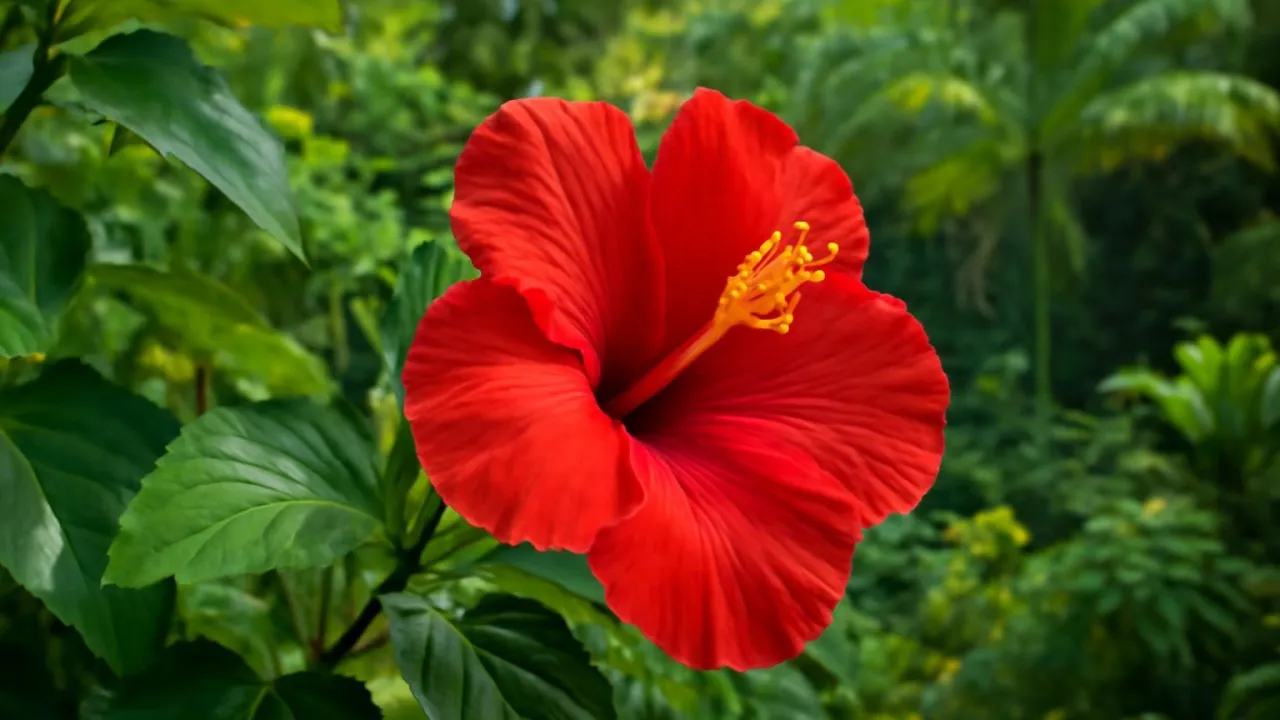
Tropical hibiscus flowers can open in the morning and close by evening each day!
✨ Word Sparks (Grade 2 Glossary)
Tap 🔊 to hear
nectar
Sweet juice inside flowers for insects
pollination
When pollen moves to help plants grow seeds
tropical
Warm places near the equator with lots of sun
🪝
Have you ever seen a flower as big as your hand and very bright?
1
Bright Colors and Big Flowers
The hibiscus has large, colorful flowers that bloom in bright red or pink shades. These flowers can grow very big and catch the eyes of many insects. Their petals are soft and smooth to touch, making them easy to spot in gardens.
2
Warm Places and Growing
Hibiscus plants grow best in warm, sunny places like gardens. They need plenty of sunlight and regular watering to stay healthy. These plants can grow up to ten feet tall when cared for well.
3
Visitors That Help Flowers
Bees, butterflies, and hummingbirds visit hibiscus flowers to drink sweet . These visitors help the flowers by moving pollen from one flower to another. This process helps the plant make seeds and grow new plants.
1. What helps hibiscus plants grow tall and healthy?
2. Who helps hibiscus flowers by moving pollen?
🤯 Mind-Blowing Fact • Grade 3
Hibiscus flowers open each morning and close by sunset, lasting only one day!
✨ Word Sparks (Grade 3 Glossary)
Tap 🔊 to hear
pollinator
An animal that helps flowers make seeds
camouflage
Colors that help plants blend or stand out
pollination
Moving pollen to help plants grow seeds
🪝
Did you know the tropical hibiscus uses bright colors to survive in warm places?
1
Bright Flowers and Adaptations
The tropical hibiscus has large, brightly colored flowers that attract like bees and butterflies. This bright color acts as against green leaves, helping the flower stand out. Its petals are soft and smooth, which helps protect the flower from damage.
2
Warm Habitat and Growth
This plant thrives in tropical climates where sunlight is strong and temperatures are warm. It grows best in soil that has good nutrients and regular water. The hibiscus can grow up to ten feet tall, adapting well to garden environments.
3
Pollination and Survival
visit the hibiscus to drink nectar, which helps the flower reproduce by moving pollen. This process is called , and it helps the plant create seeds for new growth. Without pollinators, the hibiscus would struggle to survive.
4
Flower Structure and Function
The hibiscus flower has a long stamen that holds pollen, making it easy for to collect it. Its wide petals provide a landing spot for insects and birds. This structure helps the plant survive and spread its seeds.
Tropical hibiscus flowers open in the morning and close by evening, lasting just one day.
✨ Word Sparks (Grade 4 Glossary)
Tap 🔊 to hear
pollination
The process of moving pollen to make seeds
ecosystem
A community of plants and animals living together
biodiversity
Many different kinds of living things in one place
🪝
How does the tropical hibiscus use its bright flowers to survive in its environment?
1
Bright Colors and Ecosystem Role
The tropical hibiscus produces large, brightly colored flowers that attract pollinators such as bees, butterflies, and hummingbirds. These pollinators help the plant reproduce by transferring pollen between flowers, supporting the local food web. The bright colors also make the flowers easy to find in dense tropical forests, increasing chances.
2
Growth in Tropical Habitats
Hibiscus plants thrive in tropical and subtropical climates where warm temperatures and abundant sunlight promote growth. They require regular watering and nutrient-rich soil to reach heights of up to ten feet. Their presence supports by providing food and shelter for various insects and birds, contributing to balance.
3
Pollination and Seed Production
is crucial for the hibiscus to produce seeds and continue its life cycle. The flower's long stamen makes pollen accessible to visiting pollinators, facilitating effective pollen transfer. Without these pollinators, the plant’s reproduction would be limited, which could disrupt the surrounding ’s health.
4
Human Impact and Distribution
Humans cultivate tropical hibiscus worldwide in gardens and parks, appreciating their beauty and ecological benefits. However, habitat loss in tropical regions can threaten wild populations. Conservation efforts focus on protecting natural habitats and promoting sustainable gardening to maintain and services.
1. Why are pollinators important to hibiscus plants?
2. How do humans help tropical hibiscus plants?
🤯 Mind-Blowing Fact • Grade 5
Tropical hibiscus flowers produce nectar timed perfectly with pollinator visits to ensure seed production.
✨ Word Sparks (Grade 5 Glossary)
Tap 🔊 to hear
anthocyanins
Pigments that give flowers bright colors
cross-pollination
Pollen moving between different plants to make seeds
physiological
How a plant’s body works and functions
🪝
What scientific secrets help the tropical hibiscus thrive in warm climates around the world?
1
Scientific Classification and Habitat
The tropical hibiscus, scientifically known as Hibiscus rosa-sinensis, belongs to the Malvaceae family. It originates from tropical Asia and Pacific Islands but is now cultivated globally in warm climates. This species thrives in full sun and requires well-drained, nutrient-rich soil to grow optimally. It is widely appreciated for its ornamental value in tropical and subtropical gardens.
2
Physiological Adaptations and Flower Mechanics
The hibiscus flower’s large, vivid petals contain pigments like that attract pollinators visually. Its long, protruding stamen efficiently deposits pollen onto visiting insects and birds. The flower opens in the morning and typically closes by evening, a daily rhythm that conserves energy and protects reproductive parts from harsh midday sun and predators.
3
Ecological Role and Pollination Dynamics
Tropical hibiscus plays a critical role in tropical ecosystems by supporting pollinators such as bees, butterflies, and hummingbirds. These animals facilitate , increasing genetic diversity within populations. The plant’s nectar production is timed precisely to coincide with peak pollinator activity, ensuring successful reproduction and seed formation.
4
Conservation and Human Influence
While widely cultivated, wild populations face threats from habitat destruction and climate change. Conservation efforts focus on protecting tropical forests and promoting sustainable gardening practices to preserve genetic diversity. Humans also use hibiscus flowers in cultural rituals, traditional medicine, and as natural dyes, adding to their ecological and economic importance.
5
Comparative Growth and Environmental Needs
Compared to other flowering shrubs, tropical hibiscus can grow up to 10 feet tall and produce flowers up to 6 inches wide. It prefers temperatures between 60 and 90 degrees Fahrenheit and requires consistent watering to maintain vibrant blooms. These specific environmental needs enable it to flourish in tropical and subtropical regions worldwide, often thriving better than many other ornamental plants.