🏛️ LANDMARKS
📍 UNESCO World Heritage • Norman Fortress & Royal Palace • Medieval England
VA History, Geography & Earth Science SOL
Tower of London
Secrets, Ravens, and Royal Walls Await
Grade 2 • Developing • 97 words
📍 Location & CountryRiver Thames, London, England
🏗️ Built / FormedBuilt 1078 CE • Norman Medieval Era
📐 Dimensions / Scale90 ft (27 m) tall White Tower • 12 acres (4.9 ha) enclosed
⚡ Engineering / Natural SparkStone fortress with legendary ravens and royal treasures
🤯 Mind-Blowing Fact • Grade 1
The Tower of London has real royal crowns locked inside!
✨ Word Sparks (Grade 1 Glossary)
Tap 🔊 to hear
raven
A big black bird that caws
tower
A tall building part that stands up
guard
A person who keeps things safe
🪝
Can you hear the caw of a raven by the old stone walls?
1
Stone Walls and Towers
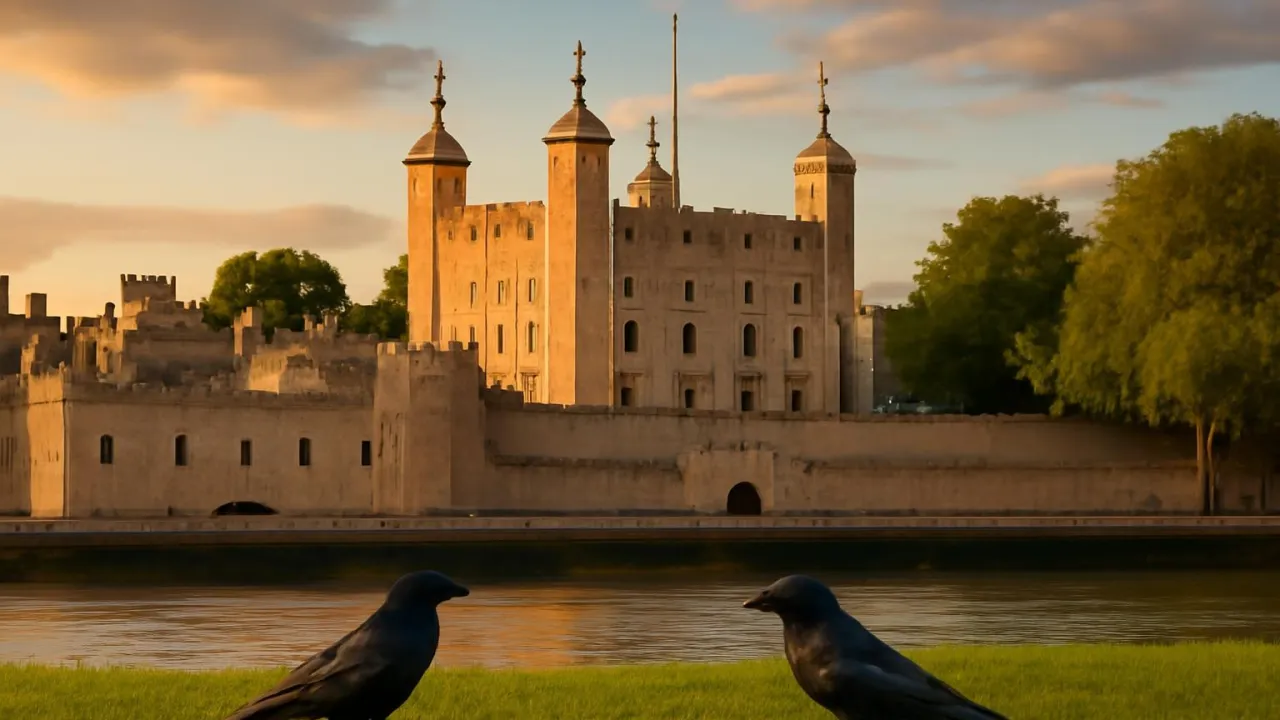
Tall gray walls stand by the river. The look strong and old. People walk on green grass. Big black birds fly near the stones.
2
Ravens Rule Here
hop and flap their wings. feed them every day. Some say the birds keep the safe. Visitors love to watch the clever birds.
3
A Place Full of Stories
Kings and queens lived here long ago. Treasures sparkle in special rooms. People come from all over to see the . The Tower of London is full of secrets.
Ravens at the Tower have names and their own special homes!
✨ Word Sparks (Grade 2 Glossary)
Tap 🔊 to hear
Beefeater
A guard at the Tower of London
jewel
A shiny stone used in crowns
castle
A big strong building for kings
🪝
What if a raven watched you walk through a castle gate?
1
A Castle by the River
The Tower of London stands beside the River Thames. Its thick stone walls and tall towers look strong and old. People visit to see its famous shape and learn its secrets.
2
Ravens and Royal Guards
Black ravens live at the tower and hop on the grass. Guards called take care of them and protect the building. Some believe the ravens keep the tower and country safe.
3
Crowns and Stories
Long ago, kings and queens lived in the tower. Today, the royal crowns and are kept safe inside. Visitors come from all over the world to see the treasures and hear the stories.
The Crown Jewels are protected by bombproof glass and armed guards!
✨ Word Sparks (Grade 3 Glossary)
Tap 🔊 to hear
fortress
A strong building that keeps people safe
arch
A curved shape that holds up weight
erosion
When wind or water wears away stone
🪝
What secrets might echo through stone towers beside the river?
1
A Fortress of Stone
The Tower of London rises above the River Thames with thick stone walls and tall towers. Built by William the Conqueror in 1078, it was designed as a to protect the city. The White Tower stands in the center, showing off its Norman and sturdy design. Visitors today can walk along the ancient walls and imagine the world of knights and kings.
2
Famous Ravens and Beefeaters
Large black ravens hop around the green lawns, watched by guards called Beefeaters. According to legend, if the ravens ever leave, the tower and the kingdom will fall. The ravens are cared for carefully, each with a name and a special home. Their loud caws echo against the stone, adding to the tower’s mysterious feeling.
3
Royal Treasures and Tales
Inside the , the Crown Jewels sparkle under bright lights. These treasures include crowns, scepters, and swords used for royal ceremonies. The tower has also served as a royal palace, prison, and even a zoo. Each stone seems to hold a story from England’s past.
4
How the Tower Stands Strong
The tower’s thick limestone walls resist weather and for centuries. Its and towers use medieval engineering to support heavy stones and keep invaders out. The moat once added extra protection, making the nearly impossible to attack. Today, the Tower of London is a monument to history and clever construction.
The Tower’s oldest part, the White Tower, has walls up to 15 feet thick!
✨ Word Sparks (Grade 4 Glossary)
Tap 🔊 to hear
battlement
A walkway on top of castle walls
moat
A deep ditch filled with water
Yeoman Warder
A special guard at the Tower
🪝
Imagine the clang of armor and the flutter of raven wings echoing across ancient stones—what stories would these walls tell?
1
A Fortress Through Time
The Tower of London, built by William the Conqueror in 1078, has stood watch over the River Thames for nearly a thousand years. Its thick limestone walls and Norman arches were engineered to withstand attacks and protect the city. Over centuries, new towers and walls were added, creating a maze of defenses. Today, visitors can still walk along the and see the original White Tower at the center.
2
Guardians with Wings and Uniforms
The Tower’s most unusual guardians are its famous ravens, cared for by known as Beefeaters. According to legend, the kingdom will fall if the ravens ever leave the tower. Each raven is named, clipped to keep it safe, and given a special diet to keep it healthy. The Beefeaters, dressed in bright uniforms, also share the tower’s stories with visitors from around the world.
3
Royal Jewels and Dark Tales
The Crown Jewels, including crowns, swords, and sparkling orbs, are kept behind bombproof glass inside the Jewel House. The Tower has also been a royal palace, a prison for famous captives, and even a royal zoo. Some of England’s most dramatic historical events, like royal coronations and daring escapes, happened within these stone walls.
4
Medieval Engineering Marvel
The Tower’s design uses medieval engineering principles, such as thick curtain walls, strong arches, and a deep for defense. The limestone and Kentish ragstone resist erosion and weather, helping the fortress survive for centuries. Its layout made it nearly impossible for enemies to break in, making the Tower a symbol of strength and royal power throughout English history.
2. What helps the Tower’s stone walls last so long?
🤯 Mind-Blowing Fact • Grade 5
The Crown Jewels are valued at over $4 billion and include the world’s largest clear-cut diamond.
✨ Word Sparks (Grade 5 Glossary)
Tap 🔊 to hear
curtain wall
A strong outer wall protecting a castle
turret
A small tower on a castle corner
resilience
The ability to survive and stay strong
🪝
If you could step inside the Tower of London at dawn, what secrets of history and engineering would you discover echoing through its ancient halls?
1
A Fortress Born from Conquest
In 1078, William the Conqueror ordered the construction of the Tower of London to assert his power over England. The original White Tower, built from limestone imported from Caen, France, stands 90 feet (27 meters) tall and is flanked by four corner . Over the centuries, successive monarchs expanded the complex, adding , a deep moat, and multiple defensive towers. The Tower’s layered construction reflects advances in medieval military architecture, designed to withstand siege weapons and deter rebellion.
2
Ravens, Legends, and Royal Guardians
The Tower’s most famous residents are its ravens, whose presence is protected by royal decree. Each raven is banded, named, and carefully monitored to ensure the legend—'If the ravens leave the Tower, the kingdom will fall'—remains unbroken. The Yeoman Warders, or Beefeaters, are ceremonial guards who also serve as expert storytellers and raven caretakers. Their daily routines include feeding the birds a specialized diet and inspecting their health, blending tradition with animal science.
3
Crown Jewels and the Tower’s Many Roles
The Crown Jewels, housed in the Jewel House behind bombproof glass, include over 23,000 gemstones and are still used in royal ceremonies. The Tower’s roles have shifted dramatically throughout history: it has served as a royal residence, a notorious prison, a treasury, and even a menagerie for exotic animals. Each era left its mark, from the graffiti of imprisoned nobles to the echoes of state ceremonies in the Chapel Royal.
4
Engineering Mastery and Endurance
The Tower’s survival for nearly a millennium is a testament to medieval engineering. Its walls, up to 15 feet (4.5 meters) thick, are constructed from durable limestone and Kentish ragstone, which resist erosion from wind and rain. The fortress’s concentric design, with multiple defensive layers and a once-water-filled moat, provided formidable protection against attackers. The use of rounded arches and buttresses distributed weight and prevented collapse, while the strategic placement along the River Thames ensured both defense and supply access.
5
Legacy, Symbolism, and Global Impact
As a UNESCO World Heritage site, the Tower of London stands as a symbol of royal authority and . Its architecture influenced countless castles across Europe, and its stories—of intrigue, invention, and endurance—continue to captivate millions of visitors each year. The Tower’s preservation combines careful restoration, scientific study of materials, and ongoing traditions like the Ceremony of the Keys. Today, it remains a living monument, connecting past and present through its walls, treasures, and the ever-watchful gaze of its legendary ravens.