Smallmouth Bass
River Rockets With Super Senses
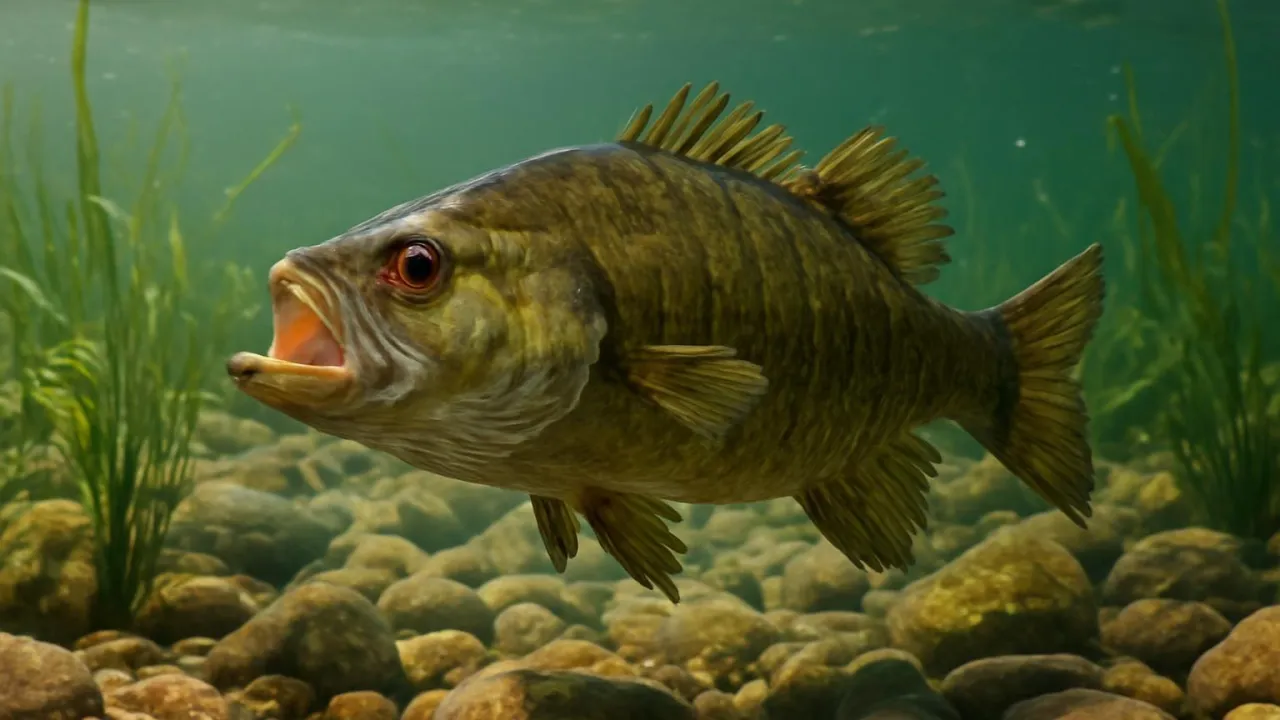
Smallmouth bass can see in almost complete darkness thanks to their advanced lateral line and large eyes!
1 Scientific Identity and Adaptations
The smallmouth bass, Micropterus dolomieu, is a member of the sunfish family and is renowned for its remarkable adaptations to freshwater habitats. Its streamlined, muscular body and deeply forked tail allow it to accelerate rapidly, reaching burst speeds of up to 12 miles per hour when chasing prey. The fish’s greenish-bronze coloration, with dark vertical bars, serves as camouflage among rocks, gravel, and aquatic plants, helping it evade predators and ambush prey. Its large, red-tinged eyes provide excellent vision in clear water, giving it a distinct advantage as both predator and prey. Smallmouth bass also possess a , a sensory organ that detects vibrations and movement in the water, enabling them to hunt even in low-light conditions.
2 Habitat, Range, and Environmental Preferences
Smallmouth bass are native to the eastern and central United States and southern Canada, with their greatest populations in the Great Lakes, St. Lawrence River, and Mississippi River Basin. They thrive in cool, well-oxygenated waters with rocky or gravelly , typically preferring temperatures between 65 and 75 degrees Fahrenheit (18–24°C). Unlike largemouth bass, smallmouths avoid muddy, stagnant, or heavily vegetated waters, as these conditions reduce oxygen levels and visibility. Their presence is often an indicator of healthy, unpolluted aquatic ecosystems. Human activities such as dam building, pollution, and habitat alteration can threaten their preferred environments and disrupt their natural range.
3 Feeding Strategies and Ecosystem Impact
Smallmouth bass are opportunistic , feeding on a wide variety of aquatic organisms including insects, crayfish, minnows, and occasionally small amphibians. They use their acute eyesight and to detect subtle movements, then strike with remarkable speed and precision. A single adult smallmouth can consume over 1,000 prey items during a summer season, helping to regulate populations of smaller species and maintain ecological balance. As top predators, they play a vital role in food webs, but they are also prey for larger fish, birds of prey, and mammals such as otters. Their aggressive feeding behavior and strong fighting ability make them a favorite among recreational anglers.
4 Life Cycle, Reproduction, and Growth
Spawning occurs in late spring when water temperatures reach about 60°F (16°C). Males construct nests in shallow, gravelly areas by fanning away debris, and females lay between 2,000 and 14,000 eggs per nest. After fertilization, males guard the eggs and newly hatched fry for up to two weeks, protecting them from predators. Fry begin life feeding on zooplankton before shifting to insects and small fish as they grow. Smallmouth bass can live up to 12 years and typically reach maturity at three to four years old. Their growth rate depends on water temperature, food availability, and habitat quality.
5 Conservation, Human Impact, and Fun Comparisons
While smallmouth bass are not currently endangered, their populations are vulnerable to water pollution, habitat destruction, and overfishing. Conservation efforts focus on maintaining clean waterways, restoring river habitats, and regulating fishing limits to ensure healthy populations. Compared to their largemouth cousins, smallmouth bass are generally smaller, weighing 1–4 pounds (0.5–1.8 kg), but are considered superior fighters by anglers. In fact, a smallmouth bass can leap up to three feet (almost one meter) out of the water—about as high as a kitchen table! Their sensitivity to environmental changes makes them important indicators for freshwater ecosystem health.
1. How does the smallmouth bass’s lateral line help it hunt?
2. Why are smallmouth bass important for river ecosystems?