1. What shape is the scalloped hammerhead shark’s head?
2. What does the scalloped hammerhead shark eat?
🤯 Mind-Blowing Fact • Grade 2
The scalloped hammerhead’s head helps it find food even in dark water!
✨ Word Sparks (Grade 2 Glossary)
Tap 🔊 to hear
prey
Animals that other animals eat for food
crustaceans
Sea animals with hard shells like crabs
coastal
Near the edge of the land and the sea
🪝
Have you ever seen a shark with a head shaped like a hammer?
1
Special Hammer Head Shape
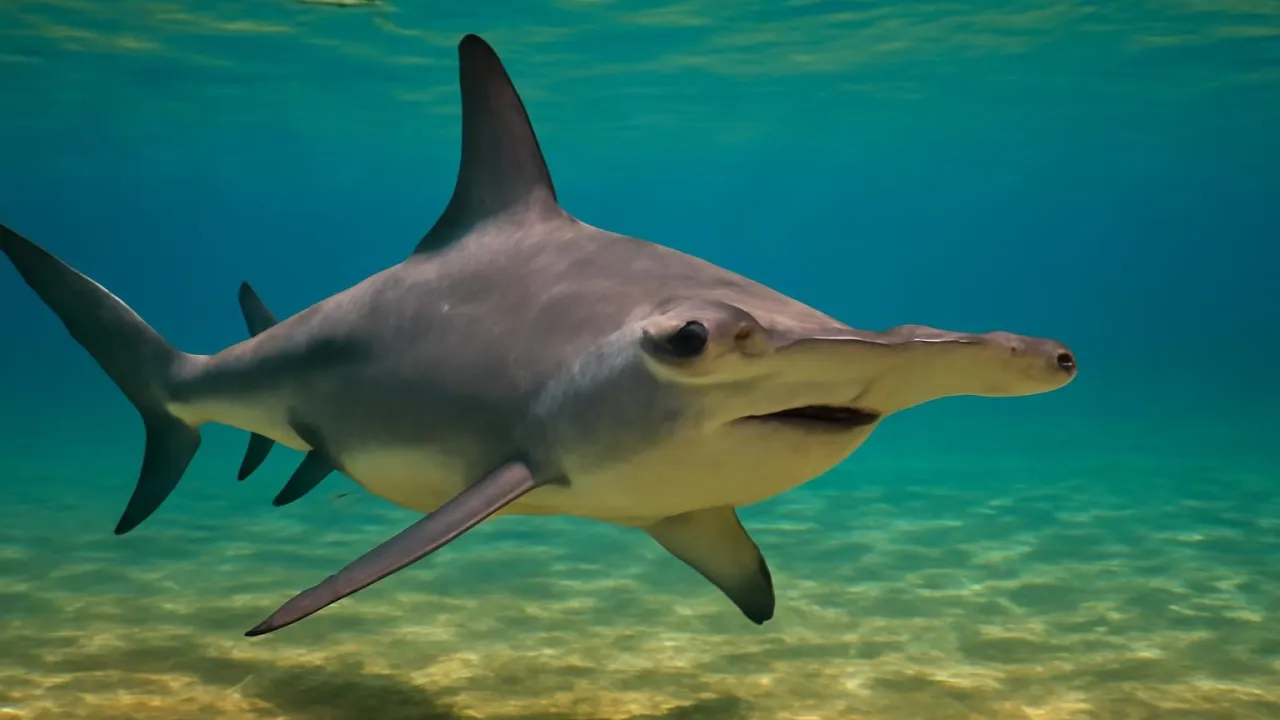
The scalloped hammerhead shark has a wide, flat head shaped like a hammer. This unusual shape helps it sense better. Its eyes are on the sides of the hammer for wide vision. The shark uses this shape to swim fast and turn quickly.
2
Where It Lives and Grows
This shark lives in warm waters around the world. It grows up to 14 feet long and weighs about 200 pounds. Young sharks stay near the shore where it is safer. Adults swim in deeper waters but often come close to land.
3
What It Eats and How
The scalloped hammerhead hunts fish, squid, and at night. It uses its hammer head to find food hiding in the sand. The wide head helps it pin down before biting. Sharp teeth help tear the food into pieces.
1. Why is the scalloped hammerhead’s head special?
2. Where do young scalloped hammerheads live?
🤯 Mind-Blowing Fact • Grade 3
The scalloped hammerhead’s cephalofoil can sense tiny electrical signals in the ocean!
✨ Word Sparks (Grade 3 Glossary)
Tap 🔊 to hear
cephalofoil
The wide, hammer-shaped head of a shark
predator
An animal that hunts other animals for food
gestation
The time a baby grows inside its mother
🪝
What makes the scalloped hammerhead shark’s head a super tool in the ocean?
1
Hammer Head and Adaptations
The scalloped hammerhead shark has a wide, scalloped head called a . This shape helps with camouflage and sensing prey. Its wide-set eyes give a better view to spot and prey. The cephalofoil also improves its ability to make sharp turns while swimming.
2
Habitat and Life Cycle
This shark lives in warm coastal waters worldwide, often near coral reefs. It is a that hunts fish, squid, and crustaceans. Females give birth to live pups after about a year of . Young sharks stay in shallow waters to avoid predators.
3
How It Hunts and Eats
The scalloped hammerhead uses its to detect electrical signals from prey hidden in sand. It can pin prey down with its wide head before biting. Its sharp teeth tear food into pieces for easy swallowing. This adaptation helps it survive in competitive ocean habitats.
4
Role in the Ecosystem
As a , the scalloped hammerhead controls fish and squid populations. It helps keep the ocean food web balanced. Humans sometimes hunt this shark for fins, which threatens its numbers. Conservation efforts aim to protect this important species.
1. What does the scalloped hammerhead’s cephalofoil help it do?
2. Why do young scalloped hammerheads stay in shallow water?
🤯 Mind-Blowing Fact • Grade 4
Scalloped hammerheads can form schools of hundreds, a rare behavior among sharks!
✨ Word Sparks (Grade 4 Glossary)
Tap 🔊 to hear
apex predator
The top hunter in an ecosystem
symbiotic
A close relationship between different species
maneuverability
Ability to move quickly and easily
🪝
How does the scalloped hammerhead shark’s unique head shape help it survive and affect its ocean home?
1
Anatomy and Sensory Advantages
The scalloped hammerhead’s cephalofoil is scalloped and wide, improving binocular vision and sensory perception. This head shape allows it to detect prey hiding in the sand using electroreceptors. Its enhanced helps it chase fast prey and avoid predators. These features give it a survival advantage in diverse marine environments.
2
Habitat Range and Behavior
This shark inhabits warm coastal waters worldwide, often near coral reefs and continental shelves. It forms large schools during the day, sometimes numbering in the hundreds. At night, it hunts alone or in small groups. These behavioral patterns help reduce predation risk and improve hunting success.
3
Ecological Role and Human Impact
As an , the scalloped hammerhead maintains balance in marine food webs by controlling fish and squid populations. It also participates in relationships by cleaning parasites from other fish. Unfortunately, overfishing and fin trade have caused population declines, threatening its ecological role. Conservation measures are critical to protect this species.
4
Cause and Effect in the Ocean Ecosystem
The shark’s unique head shape causes improved hunting efficiency, which affects prey populations. When scalloped hammerheads decline, fish populations may increase, disrupting food webs. Human activities like fishing cause population drops, leading to ecosystem imbalance. Protecting this shark helps maintain healthy ocean ecosystems worldwide.
1. Why does the scalloped hammerhead’s head help it hunt better?
2. What happens if scalloped hammerhead numbers drop?
🤯 Mind-Blowing Fact • Grade 5
The scalloped hammerhead’s cephalofoil contains thousands of sensors that detect electrical signals from prey!
✨ Word Sparks (Grade 5 Glossary)
Tap 🔊 to hear
ampullae of Lorenzini
Special sensors that detect electrical signals
trophic cascade
How changes in predators affect whole ecosystems
hydrodynamics
How water moves around a swimming animal
🪝
What makes the scalloped hammerhead shark’s cephalofoil a marvel of evolution and ocean survival?
1
Taxonomy and Scientific Classification
The scalloped hammerhead shark, scientifically named Sphyrna lewini, belongs to the family Sphyrnidae. It is one of nine hammerhead species, distinguished by the unique notches on its cephalofoil. This shark inhabits tropical and subtropical coastal waters worldwide, playing a vital role in marine ecosystems as an apex predator.
2
Physiological Mechanics of the Cephalofoil
The cephalofoil’s scalloped shape enhances electroreception by housing numerous , allowing detection of faint electrical signals from prey. Its wide-set eyes provide nearly 360-degree vision, improving spatial awareness and hunting efficiency. The cephalofoil also improves , enabling sharp turns and agile swimming in complex reef environments.
3
Conservation Status and Human Impact
Scalloped hammerhead populations have declined significantly due to overfishing and the demand for shark fins in international markets. The species is listed as endangered by the IUCN, prompting conservation efforts including fishing regulations and marine protected areas. Public education campaigns aim to reduce shark fin consumption and promote sustainable ocean stewardship.
4
Ecological Role and Food Web Dynamics
As an apex predator, the scalloped hammerhead regulates populations of fish, squid, and crustaceans, maintaining ecosystem balance. Its predation influences prey behavior and distribution, which cascades through the marine food web. Declines in hammerhead numbers can lead to , disrupting coral reef health and biodiversity.
5
Quantitative Comparisons and Adaptations
Adult scalloped hammerheads can reach lengths of up to 14 feet (4.3 meters) and weigh around 200 pounds (90 kilograms). They can swim at speeds up to 25 miles per hour (40 kilometers per hour) during hunting. The cephalofoil’s ampullae density is among the highest in sharks, enabling detection of electrical signals as low as 5 nanovolts per centimeter.