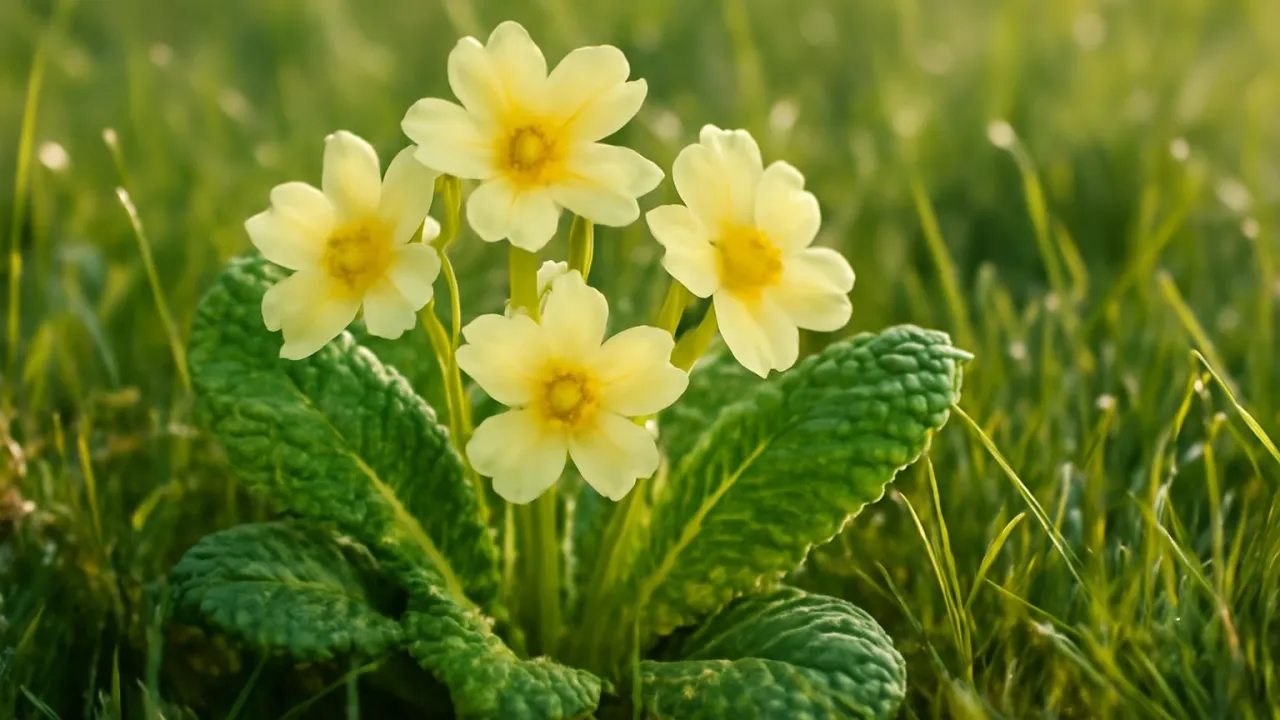
Primrose flowers can open even when there is frost on the ground!
✨ Word Sparks (Grade 2 Glossary)
Tap 🔊 to hear
bloom
To open up as a flower
shade
A cool place out of the sun
meadow
A grassy field with flowers
🪝
Did you know some flowers bloom before winter is even over?
1
Early Spring Surprise
Primrose is one of the first flowers to each year. Its bright yellow petals appear while it is still chilly outside. The plant has wrinkled green leaves that grow close to the ground. Primrose makes spring feel extra special.
2
Where Primrose Lives
Primrose likes to grow in cool, damp places with some . You can find it in , near forests, and sometimes in gardens. It needs moist soil and a little sunlight to grow well. Primrose is common across Europe and Asia.
3
Helpful to Insects
Primrose flowers are important for bees and butterflies in early spring. These insects drink the sweet nectar from the flowers for energy. Primrose helps feed insects when few other flowers are blooming. This makes it a helpful friend to nature.
Primrose petals can close up at night to protect themselves from frost!
✨ Word Sparks (Grade 3 Glossary)
Tap 🔊 to hear
adaptation
A body change that helps survive
pollinate
To move pollen so seeds can grow
petal
The colorful part of a flower
🪝
What flower can you spot blooming while there’s still a chill in the air?
1
A Flower That Loves Cool Weather
Primrose is famous for blooming very early in spring, sometimes before the snow melts. Its pale yellow and wrinkled green leaves make it easy to spot. Primrose grows low to the ground, which protects it from cold winds. This early blooming is an that helps it get sunlight before trees grow new leaves.
2
Where Primrose Grows
Primrose thrives in moist meadows, shady forests, and grassy parks across Europe and Asia. It prefers soil that stays damp but not muddy. The plant needs some sunlight but also does well in partial shade. Gardeners like to plant primrose because it brings color when most flowers are still sleeping.
3
A Friend to Spring Insects
Primrose flowers are full of nectar, attracting bees, butterflies, and even some beetles. These insects help the primrose by carrying pollen from flower to flower. Because few other flowers bloom so early, primrose is a vital food source for pollinators. This makes it important for the start of the spring food web.
4
Primrose’s Special Structure
Each primrose flower has five arranged in a star shape. Its leaves are wrinkled to help trap water and sunlight. The plant’s short stem keeps it close to the warm ground. All these features help primrose survive chilly early spring days.
In some cultures, primrose is a symbol of new beginnings and hope after winter.
✨ Word Sparks (Grade 4 Glossary)
Tap 🔊 to hear
ecosystem
A community of living things and their home
distribution
Where something is found in the world
nectar
Sweet liquid inside a flower
🪝
How can a delicate flower survive chilly winds and frosty mornings?
1
Primrose: Nature’s Early Bloomer
Primrose is among the first flowers to bloom each spring, often appearing while snow still lingers. Its pale yellow petals and wrinkled green leaves are easy to spot in meadows, woodlands, and gardens. The plant’s low, ground-hugging shape helps it avoid damage from cold winds and sudden frosts. Blooming early allows primrose to take advantage of sunlight before trees grow their thick leaves.
2
Habitat and Distribution
Primrose naturally grows across Europe and western Asia, favoring moist meadows, shaded forests, and grassy lawns. It prefers soil that stays damp but drains well, and it thrives in areas with partial sunlight. Because of its beauty and toughness, gardeners plant primrose in parks and yards around the world. In some places, wild primrose patches are protected to help local wildlife.
3
Primrose’s Role in the Ecosystem
Primrose flowers provide vital for bees, butterflies, and beetles when few other plants are blooming. These insects, in turn, pollinate the flowers by transferring pollen as they feed. This early food source helps insect populations recover after winter, supporting the whole spring food web. Without early bloomers like primrose, many pollinators would struggle to survive.
4
Amazing Adaptations
Primrose has several adaptations that help it survive cold weather and thrive in spring. Its wrinkled leaves trap moisture and sunlight, while its short stems keep flowers close to the warmer ground. At night or during frost, primrose petals can close to protect the flower’s inside. These features make primrose a hardy and important part of springtime nature.
1. Why is primrose important for insects in early spring?
2. What adaptation helps primrose survive cold nights?
🤯 Mind-Blowing Fact • Grade 5
Primrose flowers can self-pollinate or cross-pollinate, helping them adapt to changing pollinator populations.
✨ Word Sparks (Grade 5 Glossary)
Tap 🔊 to hear
perennial
A plant that grows back every year
photosynthesize
How plants make food from sunlight
disperse
To spread out or scatter seeds
🪝
What secrets help primrose become one of the first wildflowers to awaken each spring?
1
Primrose’s Place in Plant Science
Primrose, scientifically named Primula vulgaris, belongs to the Primulaceae family, which includes over 400 species worldwide. Botanists recognize primrose for its basal rosette of wrinkled leaves and its single, pale yellow flowers. This plant is a , meaning it regrows each year from the same roots. Its early blooming habit makes it a crucial subject in studies of plant adaptation and seasonal cycles. Primrose flowers are technically composed of five fused petals forming a tube, which is an identifying trait for the genus.
2
How Primrose Survives the Cold
Primrose has evolved remarkable physiological mechanisms to withstand late winter and early spring chills. Its leaves are covered in tiny hairs that reduce water loss and insulate against frost. The plant’s short stature, rarely exceeding 12 inches (30 cm), keeps it close to the relatively warmer ground. Primrose petals can fold inward at night, shielding reproductive organs from freezing temperatures. These adaptations allow primrose to and flower when many plants remain dormant.
3
Primrose in Ecosystems and Food Webs
Primrose plays a foundational role in early spring ecosystems by offering nectar to emerging pollinators like bumblebees, solitary bees, and butterflies. As one of the first available food sources, it helps jumpstart insect populations, which in turn support birds and small mammals. Primrose is also a host plant for some moth and butterfly larvae, integrating it further into local food webs. Without early bloomers like primrose, the spring recovery of many animal species would be delayed.
4
Human Connections and Conservation
Primrose has a long history in traditional medicine and folklore, often symbolizing hope and renewal in European cultures. In the Victorian era, it was popular in gardens for its cheerful appearance and resilience. Today, wild primrose populations face threats from habitat loss, over-picking, and climate change. Conservationists protect natural primrose patches and encourage gardeners to plant native species to support pollinators. In some regions, primrose is legally protected to preserve its ecological and cultural value.
5
Comparing Primrose to Other Spring Flowers
Unlike tulips or daffodils, which can reach over 18 inches (45 cm) tall, primrose stays low and spreads in clusters. Its flowers open at temperatures as low as 40°F (4°C), while many species need warmer weather. Primrose seeds are tiny, weighing less than 0.01 grams each, and can be dispersed by ants. The plant’s ability to bloom during unpredictable spring weather makes it a champion of early-season survival. Studying primrose helps scientists understand plant responses to climate and changing environments.