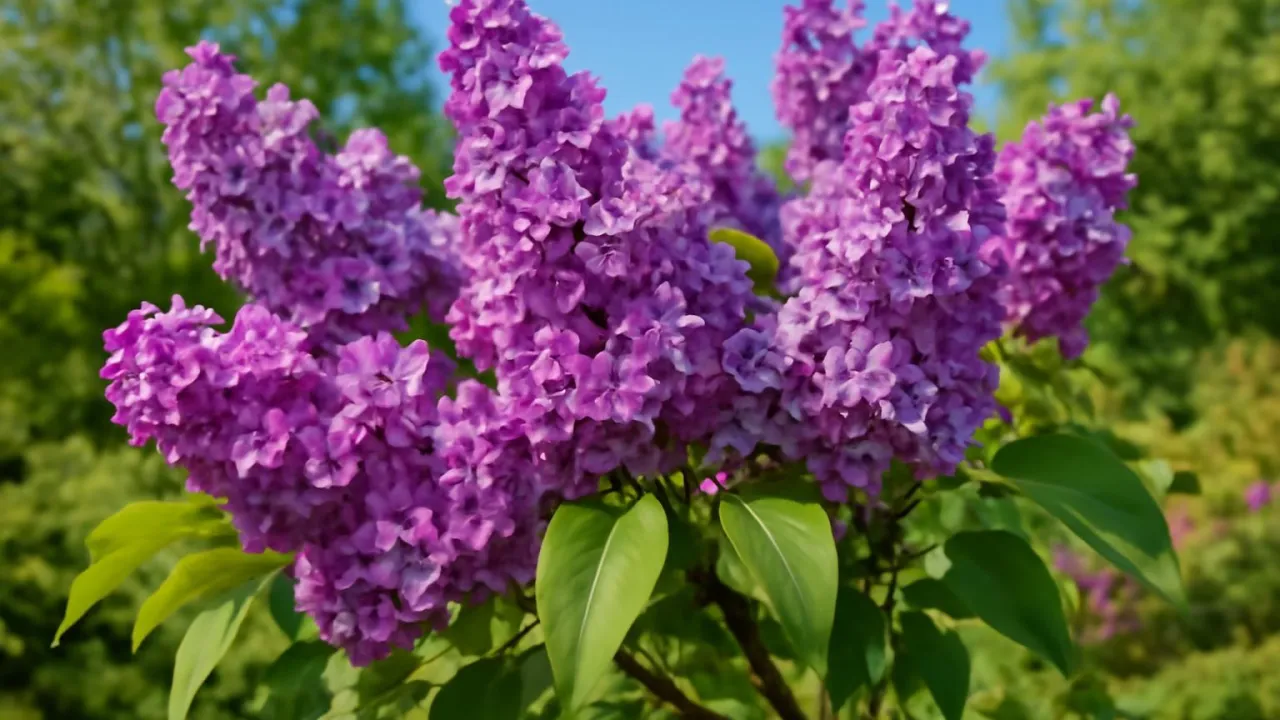
Lilacs have a strong scent that helps bees find flowers from far away!
✨ Word Sparks (Grade 2 Glossary)
Tap 🔊 to hear
pollination
When bees help flowers make seeds
cluster
A group of things growing close together
petal
The colorful part of a flower
🪝
Have you ever smelled a lilac’s sweet, fresh scent in spring?
1
Beautiful Lilac Flowers
Lilacs bloom in spring with of purple or white flowers. Their are small and soft. These flowers grow on bushes that can reach up to six feet tall.
2
Where Lilacs Live
Lilacs grow best in sunny places with well-drained soil. They need moderate water to stay healthy. You can find lilacs in gardens, parks, and sometimes wild areas.
3
Special Lilac Smell
The sweet smell of lilac flowers attracts bees and butterflies. This scent helps pollinators find the flowers. helps the plant make seeds for new lilacs.
Lilacs’ scent is a clever adaptation to attract pollinators and ensure survival.
✨ Word Sparks (Grade 3 Glossary)
Tap 🔊 to hear
pollinators
Insects that help flowers make seeds
adaptation
A change that helps plants survive better
camouflage
Colors or shapes that help hide plants
🪝
Did you know lilacs use their strong scent to attract helpful insects?
1
Lilac Flower Features
Lilac flowers grow in dense clusters, called panicles, that bloom in springtime. Their petals are soft and often purple, but some are white or pink. These flowers produce nectar that attracts like bees and butterflies.
2
How Lilacs Survive
Lilacs are deciduous shrubs that lose leaves in winter to save energy. They grow best in temperate climates with full sun and well-drained soil. Their roots absorb nutrients and water needed for healthy growth.
3
Pollination and Growth
Pollination happens when insects carry pollen between flowers, helping lilacs produce seeds. This process allows the plant to reproduce and spread. Lilacs also use their fragrance as an to attract from far away.
4
Camouflage and Protection
Lilac leaves are green and help the plant blend with other shrubs. This protects lilacs from some herbivores. Their woody stems provide structure and support for the flowers.
Lilacs support ecosystems by attracting pollinators that help many plants grow and survive.
✨ Word Sparks (Grade 4 Glossary)
Tap 🔊 to hear
ecosystem
A community of plants and animals living together
pollination
The process of pollen moving to make seeds
habitat
The natural home where a plant or animal lives
🪝
How does the lilac’s sweet fragrance affect its ecosystem and survival?
1
Lilac’s Role in Nature
Lilacs produce a strong, sweet fragrance that attracts many pollinators, including bees and butterflies, which are essential for and plant reproduction. This interaction helps maintain healthy by supporting food webs where pollinators feed on nectar and predators feed on pollinators alike.
2
Cause and Effect of Lilac Growth
When lilacs receive enough sunlight and water, they grow dense clusters of flowers that produce nectar to attract pollinators. These pollinators then spread pollen between flowers, which helps lilacs reproduce and grow new plants. Without pollinators, lilacs would struggle to continue their life cycle and survive in nature.
3
Geographic Distribution
Native to the Balkan Peninsula, lilacs have spread to temperate regions worldwide, thriving in gardens and parks because they tolerate cold winters well. They prefer well-drained soil and full sun, which helps them grow strong and healthy in many climates around the world.
4
Human Impact and Uses
Humans cultivate lilacs for their beauty and sweet fragrance in ornamental gardens and parks, which supports pollinator populations. However, urban development and loss can reduce natural pollinator numbers, affecting lilac reproduction. Conservation efforts encourage planting native pollinator-friendly plants like lilacs to protect .
1. What happens when pollinators visit lilac flowers?
2. Why do lilacs grow well in temperate regions?
🤯 Mind-Blowing Fact • Grade 5
Lilac flowers release scents that pollinators can detect from hundreds of meters away.
✨ Word Sparks (Grade 5 Glossary)
Tap 🔊 to hear
taxonomy
How scientists group and name living things
photosynthesis
How plants make food using sunlight
volatile compounds
Smelly chemicals plants release into the air
🪝
What scientific secrets make lilacs a fascinating part of plant biology and ecology?
1
Taxonomy and Scientific Classification
Lilacs belong to the genus Syringa in the Oleaceae family, which includes olive and ash trees. Their scientific name, Syringa vulgaris, reflects their common presence in temperate gardens worldwide. This classification helps scientists understand their evolutionary relationships with other flowering plants. The genus Syringa contains about 12 species native to Asia and southeastern Europe.
2
Physiological Mechanics of Lilac Flowering
Lilacs produce clusters of fragrant flowers through complex hormonal signals triggered by temperature and day length. Their woody stems support nutrient transport from roots to flowers, while stomata on leaves regulate water loss and gas exchange essential for . The flowers release volatile organic compounds that attract pollinators over long distances.
3
Conservation and Botanical History
Originally native to the Balkan Peninsula, lilacs were introduced to Europe and North America in the 18th century as ornamental plants. Conservation efforts focus on preserving native pollinator habitats that support lilac reproduction, especially as urbanization threatens natural ecosystems. Botanical gardens maintain genetic diversity by cultivating various lilac cultivars.
4
Quantitative Comparisons and Growth
Lilac shrubs typically grow between 6 and 20 feet tall, with some varieties reaching over 6 meters. Their fragrant flowers release detectable by pollinators from distances up to several hundred meters, aiding in efficient pollination. Lilacs can live for over 50 years under ideal conditions, demonstrating longevity among flowering shrubs.
5
Ecological and Human Importance
Lilacs play a vital role in temperate ecosystems by providing nectar for pollinators and contributing to biodiversity. Humans value lilacs for their ornamental beauty and fragrance, which have cultural significance in many regions and influence garden design worldwide. The flowers are also used in perfumes and essential oils due to their distinctive scent.