🧬 HUMAN BODY
🧬 Diphyodont Dentition (Deciduous & Permanent) • Craniofacial & Digestive Systems
VA Science & Health SOL 1.1, 3.1, 4.2, 5.1 (Cells, Organs & Body Systems)
Baby Teeth vs. Adult Teeth
Why Humans Grow Two Built-In Sets of Chompers
Grade 1 • Early Reader • 74 words
🩺 Body System & LocationDigestive & Skeletal Systems • Maxilla (Upper Jaw) and Mandible (Lower Jaw)
1. How many baby teeth do children grow in their first set?
2. What is the hardest substance in your entire body?
🤯 Mind-Blowing Fact • Grade 2
Unlike humans who get just two sets of teeth, sharks can grow and lose up to 30,000 teeth over their lifetimes!
✨ Word Sparks (Grade 2 Glossary)
Tap 🔊 to hear
crown
Visible white top part of a tooth
root
Hidden anchor holding tooth inside jawbone
permanent
Meant to last for your whole lifetime
🪝
Where are your adult teeth hiding before your baby teeth wiggle out?
1
Stacked Inside Your Jaw!
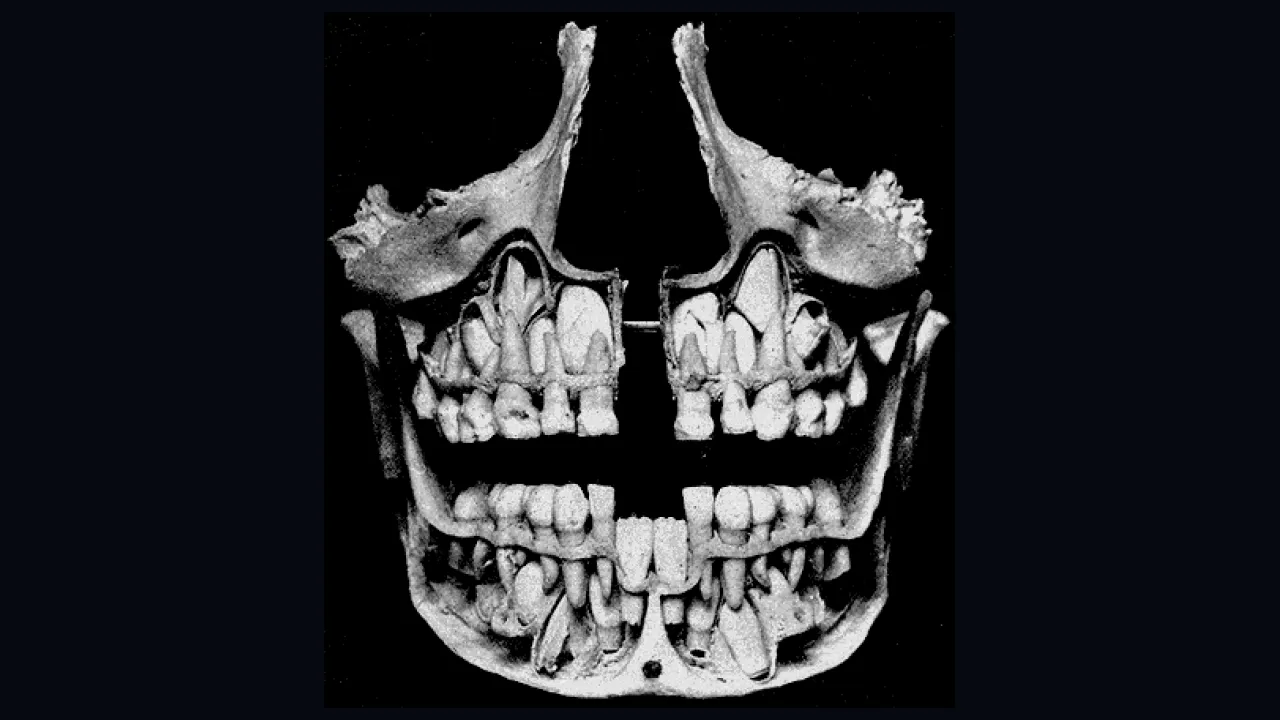
Imagine peeking at a kid's jaw with a dentist's X-ray camera! Right underneath the twenty visible baby teeth sit rows of adult teeth waiting patiently inside the jawbone like seeds waiting to sprout.
2
Why Baby Roots Disappear
Have you noticed that a lost baby tooth looks short and flat on the bottom? As an adult tooth pushes upward, special helper cells gently dissolve the baby tooth's long until only the top wiggles loose!
3
Saving Space for Thirty-Two
Baby teeth also hold parking spaces so adult teeth grow in straight, and they help you pronounce clear sounds like 'th' and 's.' Eventually, a full adult smile can hold up to thirty-two teeth!
1. Why does a baby tooth that falls out have almost no bottom root left?
2. Besides chewing food, what important job do baby teeth perform for incoming adult teeth?
🤯 Mind-Blowing Fact • Grade 3
All twenty of your baby teeth—plus the beginnings of your first permanent molars—actually start forming inside your jaws before you are even born!
✨ Word Sparks (Grade 3 Glossary)
Tap 🔊 to hear
deciduous
Shedding naturally at a certain growth stage
incisors
Chisel-shaped front teeth built for snipping food
dentin
Yellowish bone-like layer right beneath tooth enamel
🪝
Why are baby teeth called 'deciduous'—the exact same science word used for autumn trees?
1
Teeth Named After Autumn Leaves!
Walk beneath oak and maple trees in October as golden leaves flutter down! Dentists call your twenty baby teeth teeth—from a Latin word meaning 'to fall off'—because they shed naturally between ages six and twelve just like autumn leaves.
2
Four Specialized Tooth Shapes
Feel along your smile and notice different shapes built for teamwork. Sharp front snip bites, pointed canines grip and tear, adult premolars crush, and wide flat molars at the back grind food into smooth paste for easy digestion!
3
Layers Inside Every Tooth
Baby teeth look bright milky white because their outer enamel and middle layers are thinner than adult teeth. Deep inside every tooth's center sits living pulp packed with blood vessels and touch nerves.
4
Premolars Join the Adult Team
Children don't have premolars at all! As your jaw lengthens, eight adult premolars replace your baby molars, while twelve brand-new adult molars—including late-teen wisdom teeth—erupt farther back.
1. Why do adult teeth naturally look slightly warmer ivory-yellow than bright white baby teeth?
2. Which tooth type exists ONLY in an adult set and not in a 20-tooth baby set?
🤯 Mind-Blowing Fact • Grade 4
Tiny bump ridges called 'mamelons' line the biting edges of brand-new adult front incisors to help them poke through gums, then slowly wear smooth over years of chewing!
Why can broken arm bones heal themselves back together, while chipped adult tooth enamel cannot?
1
Diphyodont Engineering in Mammals
Bite into a crisp carrot and up to 150 pounds of chewing force meets cleanly along interlocking cusps! Most mammals, including humans, are —meaning we grow two precisely matched sets of teeth rather than endless rows like crocodiles or sharks. Having two sets solves a clever engineering puzzle: jaws grow nearly twice as long from infancy to adulthood, yet solid mineralized teeth cannot stretch larger once formed, while chewing mammals still require perfectly aligned upper and lower bite surfaces.
2
Odontoclasts and Root Resorption
During the 'mixed dentition' elementary school years, permanent tooth buds climb upward inside your maxilla and mandible. Specialized bone-remodeling cells called odontoclasts gather at the base of each baby tooth and dissolve its calcium-rich roots—a process called root —recycling minerals into the bloodstream until the crown painlessly detaches.
3
Why Adult Enamel Cannot Regrow
Enamel is 96 percent pure crystal mineral called —making it harder than steel against scratching! However, the builder cells (ameloblasts) that weave enamel inside your gums retire and disappear the moment a tooth erupts into your mouth, so chipped or cavity-hollowed enamel cannot rebuild new cells.
4
Fluoride Shield Chemistry
Brushing away plaque bacteria prevents sugar-fueled acid attacks, while fluoride in toothpaste swaps into crystals to form fluorapatite—an upgraded mineral shield even tougher against acid!
1. Why didn't mammals keep the shark strategy of replacing loose teeth randomly every week?
2. Why can't an erupted adult tooth regrow lost enamel on its own like a healing bone?
🤯 Mind-Blowing Fact • Grade 5
In 2024, Japanese researchers began the world's first human clinical trials of a medicine blocking the USAG-1 protein to wake up dormant 'third-set' tooth buds in patients born missing adult teeth!
✨ Word Sparks (Grade 5 Glossary)
Tap 🔊 to hear
ameloblast
Cell weaving crystal tooth enamel before eruption
occlusion
Precise interlocking fit between upper and lower teeth
heterodont
Having specialized tooth shapes for different chewing jobs
🪝
What cellular trade-off gave mammals precision-interlocking diphyodont teeth—and how are Japanese stem-cell researchers awakening a dormant 'third-tooth' gene?
1
Evolutionary Trade-Off: Polyphyodonty vs. Precise Occlusion
Compare a great white shark's conveyor belt of serrated blades with a human's thirty-two sculpted crowns, and a 200-million-year-old evolutionary bargain comes into focus. Non-mammalian vertebrates such as sharks and alligators are polyphyodonts: persistent dental stem-cell laminae replace shed teeth dozens of times, because simple conical teeth merely grab and swallow prey whole. Early endothermic mammals, however, needed rapid caloric extraction to fuel high metabolic rates. Evolving teeth—incisors, canines, premolars, and multi-cusped tribosphenic molars that shear and grind with micron-level upper-to-lower —required retiring continuous replacement in favor of just two coordinated diphyodont generations.
2
Amelogenesis, Hydroxyapatite, and Acellular Permanence
Odontogenesis begins around the sixth week of embryonic gestation as oral ectoderm and neural-crest mesenchyme exchange signaling proteins. Odontoblasts secrete collagenous dentin tubules inward around neurovascular pulp, while ectodermal weave interlocking nanorods of carbonated calcium-phosphate hydroxyapatite—creating enamel that is 96 percent inorganic mineral by weight (Mohs hardness ~5). Upon crown eruption into the oral cavity, ameloblasts undergo programmed apoptosis, leaving mature enamel completely acellular; only surface remineralization via salivary calcium and fluoride-substituted fluorapatite can repair microscopic acid demineralization.
3
Osteoprotegerin/RANKL Signaling in Root Resorption
Starting around age six with the eruption of 'six-year' first permanent molars behind the primary arch, rising succedaneous tooth follicles release RANKL signaling molecules. Multinucleated odontoclasts resorb primary cementum and dentin roots until the deciduous crown exfoliates seamlessly, while twelve non-succedaneous permanent molars—culminating in variable third molars ('wisdom teeth')—erupt posteriorly as facial jaws elongate.
4
Wisdom Teeth and Dietary Jaw Shrinkage
Bioarchaeologist Noreen von Cramon-Taubadel demonstrated that the shift from tough paleolithic hunter-gatherer foods to softer agricultural and cooked diets reduced mechanical chewing strain during childhood, leaving modern human mandibles slightly shorter and frequently crowding third molars.
5
USAG-1 Antibody Trials for Tooth Regeneration
Astonishingly, humans still carry vestigial 'third-dentition' rudimentary buds that normally arrest via USAG-1 protein inhibition—and in 2024, Kyoto University oral surgeons led by Katsu Takahashi launched pioneering human clinical trials testing an anti-USAG-1 antibody to coax dormant buds into growing natural replacement teeth!