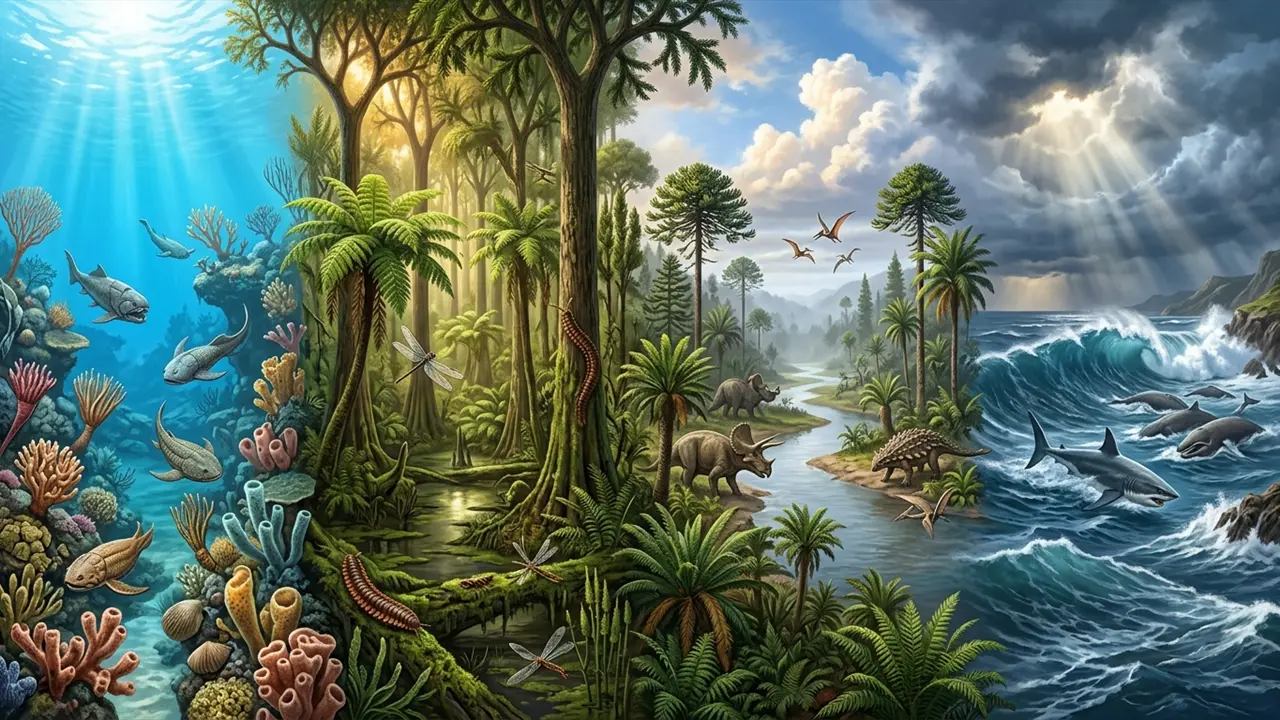
Welcome to Earth's Deadliest Eras
Imagine stepping into a time machine set hundreds of millions of years into the past. Long before humans built houses or roads, strange monsters ruled Earth's oceans, swamps, rivers, and skies. During the ancient Era, armored fish with blade jaws and human-sized sea scorpions patrolled warm shallow seas.
Millions of years later, forty-foot crocodile cousins ambushed dinosaurs along muddy riverbanks. After the dinosaurs disappeared, bus-sized snakes and whale-hunting sharks took charge! Scientists called paleontologists uncover stone bones, skulls, and teeth buried in rock layers. Those clues show how each prehistoric hunted and survived. Turn the page to meet eight real-life giants that once ruled ancient Earth!
By measuring stone jaws, tooth scars, and ancient swamp rocks, scientists rebuild Earth's mightiest hunters without needing a real time machine!
Megalodon: The Sixty-Foot Shark King
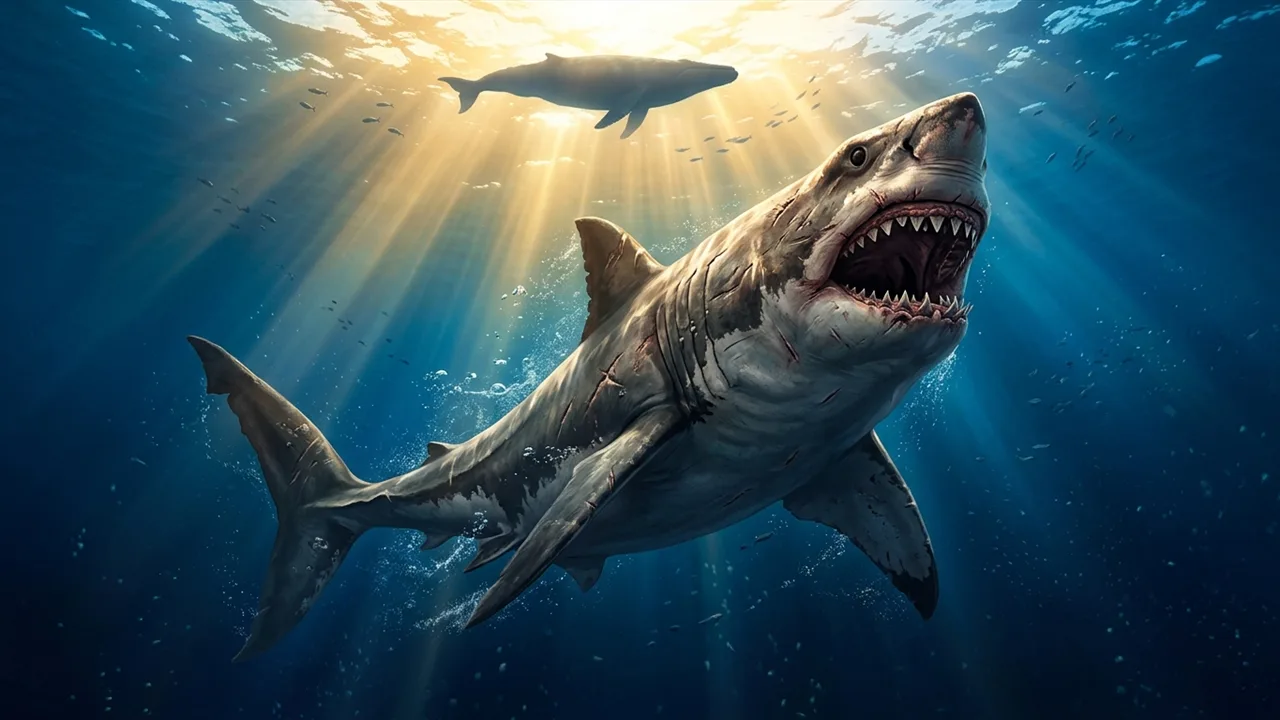
For nearly twenty million years, one shadow ruled Earth's warm oceans: Otodus megalodon. Stretching up to sixty feet from snout to tail fin, this giant shark weighed more than ten adult elephants combined! Even a modern great white shark would look like a minnow beside Megalodon's massive tail.
Inside its mouth sat nearly three hundred triangular teeth up to seven inches long. Every tooth had razor-like edges built to saw through tough whale blubber and thick ribs. As the ocean's reigning , Megalodon rocketed upward from dim water below to strike baleen whales by surprise.
Scientists calculate its jaws crushed down with forty thousand pounds of force! Thousands of giant teeth washed onto beaches still tell its story today.
With a jaw span nearly seven feet across, Megalodon crushed whale flippers and chests first so giant prey could not swim away!
Titanoboa: Monster Snake of the Swamp
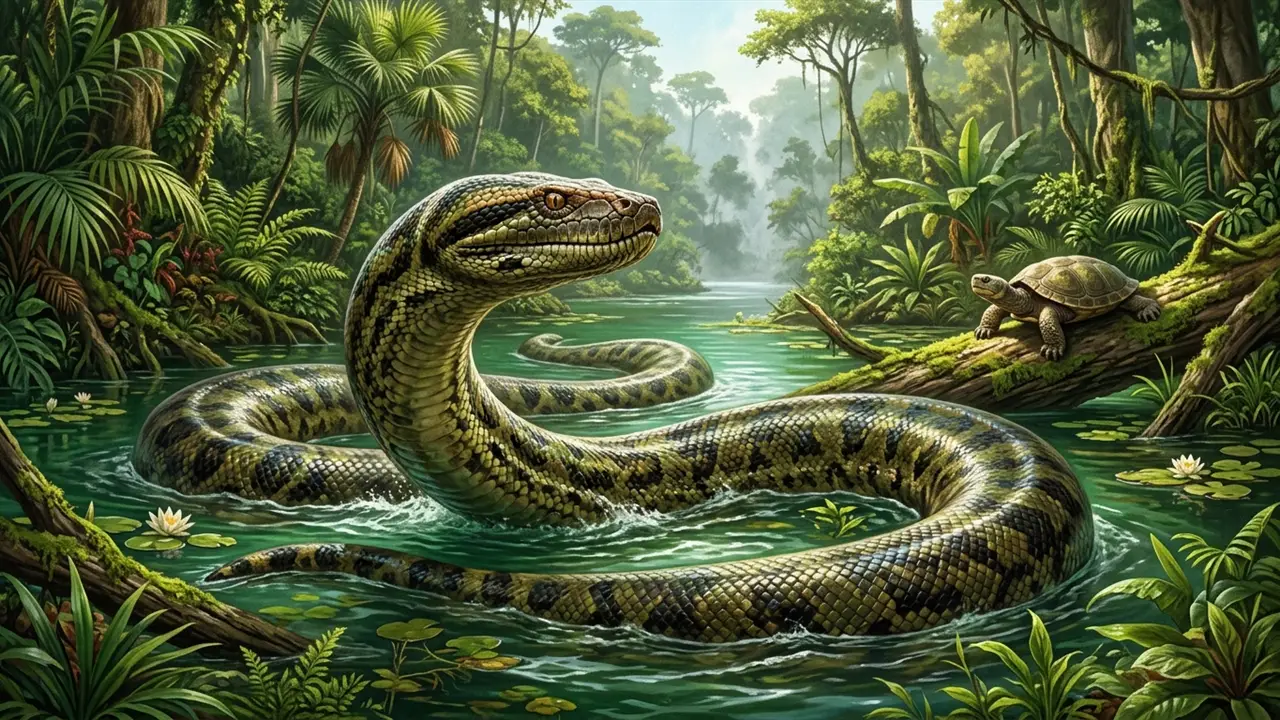
Sixty million years ago, just a few million years after the dinosaurs went extinct, steamy tropical jungles covered northern South America. Hot air and heavy rain helped cold-blooded reptiles grow huge. In those flooded swamps lived Titanoboa cerrejonensis, a monster snake up to fifty feet long and heavier than a small pickup truck!
Because its heavy body moved easiest in water, Titanoboa lurked beneath brown river channels like a giant modern anaconda. When a five-foot turtle or riverside crocodile swam past, this silent exploded forward with curved, gripping teeth.
Within seconds, thick coils wrapped tight and used to cut off breath. Colombian scientists discovered twenty-eight snakes preserved inside ancient coal beds!
Slipping silently through waist-deep swamp water, a fifty-foot snake as wide as a doorway could strike before prey saw a single ripple!
Sarcosuchus & Deinosuchus: The Super-Crocs
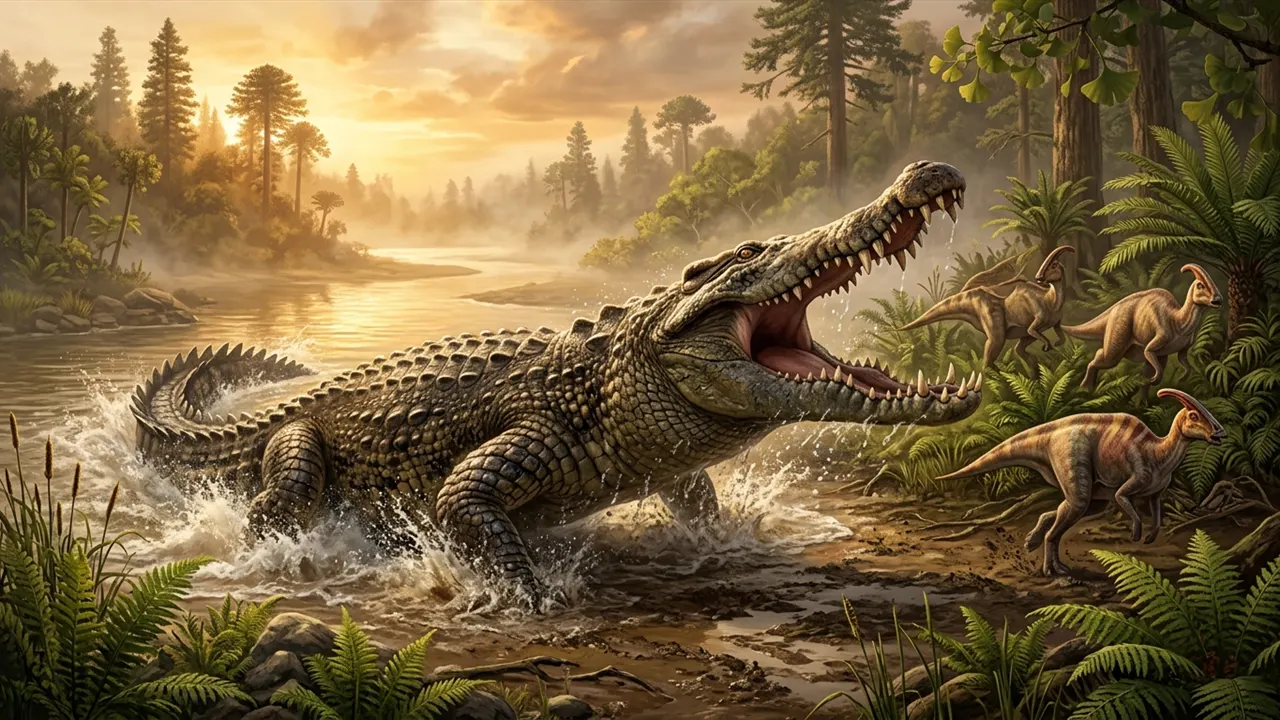
During the Cretaceous Period, walking down to a quiet river for a cool drink was risky business even for giant dinosaurs! In North Africa lived Sarcosuchus imperator, while North America hosted Deinosuchus riograndensis. Both armored crocodile relatives stretched thirty-five to forty feet long and weighed up to ten tons.
Built for patience, these giants floated motionless in winding rivers and salty coastal marshes. Only their bumpy nostrils and watchful eyes rose above the muddy surface. When a duck-billed dinosaur stepped close, the hidden burst from the shallows in a blinding splash!
Bone-crushing jaws clamped shut and twisted into a spinning roll underwater. Tooth punctures on dinosaur tails prove these super-crocs won real battles.
Armored in thick bony back plates and armed with five-foot skulls, these invisible river hunters ambushed dinosaurs right from the shoreline!
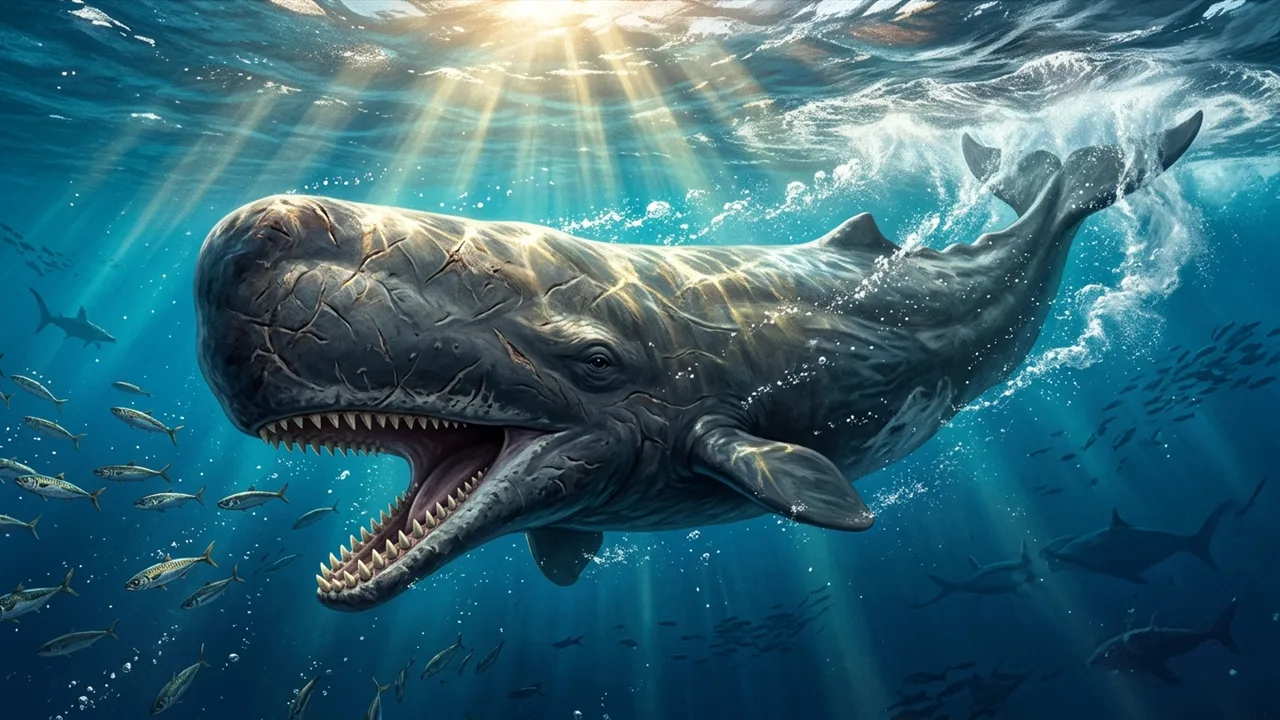
Livyatan: The Whale-Eating Leviathan
Nine million years ago, warm southern oceans held two fifty-ton monsters at the very same time! Alongside Megalodon swam Livyatan melvillei, an ancient killer sperm whale named after a legendary sea beast. Measuring up to fifty-nine feet long, Livyatan owned a massive ten-foot skull.
Modern sperm whales dive deep for soft squid and grow teeth only on their bottom jaw. Livyatan was built for much bigger meals! Both its upper and lower jaws carried thick, interlocking teeth over a foot long. Using rapid sound clicks called , this smart mammal hunted baleen whales, seals, and dolphins through cloudy waves.
In 2008, scientists digging in Peru's dry coastal desert uncovered its giant skull and banana-sized teeth!
Warm-blooded speed, whale-sized brains, sonar tracking, and fourteen-inch interlocking teeth made Livyatan a rival even Megalodon respected!
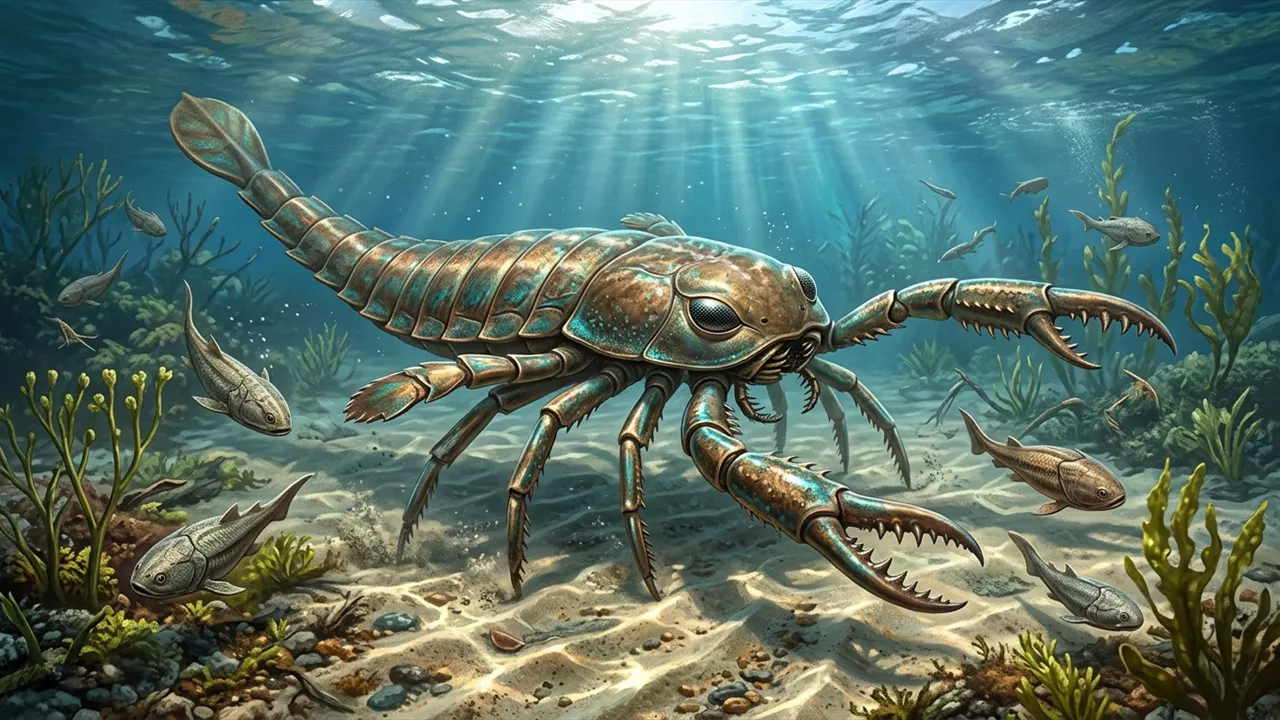
Jaekelopterus: Giant Sea Scorpion
Four hundred million years ago, during the Era, not a single dinosaur walked on land yet. Instead, weird armored creatures ruled warm rivers and each coastal where fresh water met the sea. Lurking in those murky shallows was Jaekelopterus (pronounced yay-keh-LOP-ter-us), a giant sea scorpion stretching more than eight feet long!
Scientists in Germany discovered an eighteen-inch stone pincer buried in ancient rock. By measuring that huge claw, they proved Jaekelopterus was longer than a grown human and the largest ever known! Using sharp compound eyes, it waited quietly in muddy reeds before snapping barbed front arms shut on early armored fish.
Longer than a kayak paddle and armed with spiked eighteen-inch grasping claws, this giant bug ambushed fish in murky river mouths where prey could barely see!
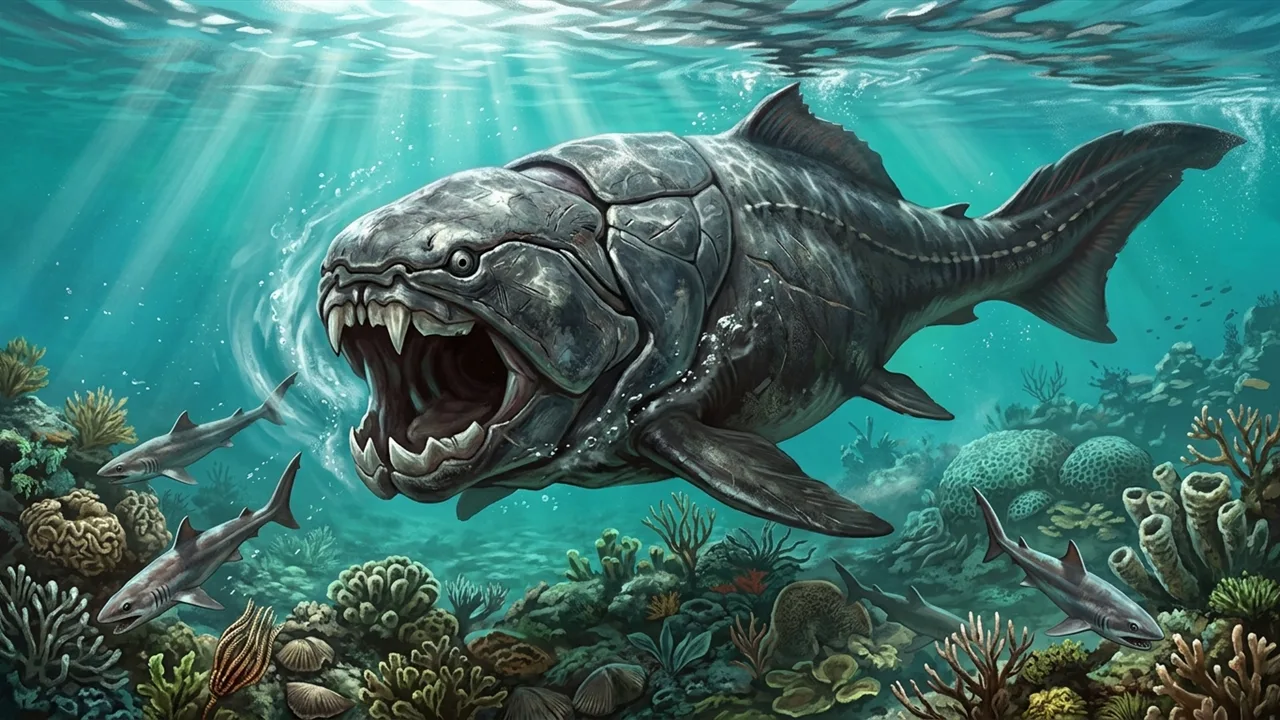
Dunkleosteus: The Armored Guillotine Fish
Late in the Era, warm seas swarmed with strange fishes, and Dunkleosteus (pronounced DUNK-uhl-OSS-tee-us) sat at the very top as ocean ! Growing twenty to thirty feet long and weighing up to four tons, this fierce wore thick bony shields across its head and shoulders like a knight's helmet.
Amazingly, Dunkleosteus never grew regular teeth! Instead, two pairs of sharp bone plates jutted from its jaws and sharpened themselves every time its mouth closed. Special skull hinges snapped its jaws open in just twenty milliseconds, sucking nearby sharks inward before slamming down like a giant bone-slicing blade.
Faster than you can blink, Dunkleosteus created an underwater suction vortex that pulled swimming prey straight into self-sharpening bone blades!
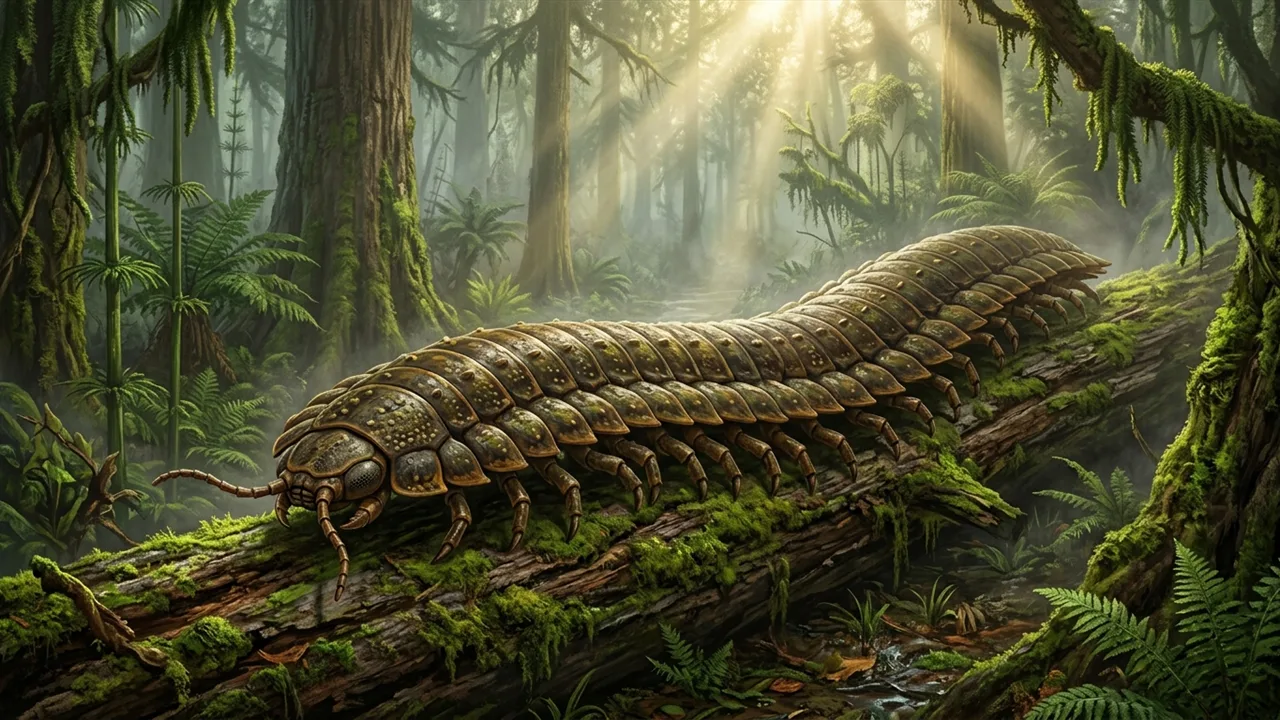
Arthropleura: Car-Sized Swamp Millipede
Imagine hiking through a mossy swamp and spotting a millipede as long as a small car! Around three hundred million years ago, during the coal swamp age, giant fern forests pumped extra oxygen into Earth's air. Beneath those shady trees crawled Arthropleura (pronounced AR-throh-PLOOR-uh), growing up to eight and a half feet long and over one hundred pounds.
Arthropleura holds the world record as the biggest land and land in history! About thirty overlapping armor plates protected its wide back from hungry swamp amphibians while dozens of jointed legs gripped wet logs. Even though stone clues show it peacefully munched dead plants and fern spores, its enormous size still gives bug-shy readers chills!
Wider than a highway lane stripe and longer than a sofa, dozens of clicking legs carried this hundred-pound armored bug across dark swamp floors!
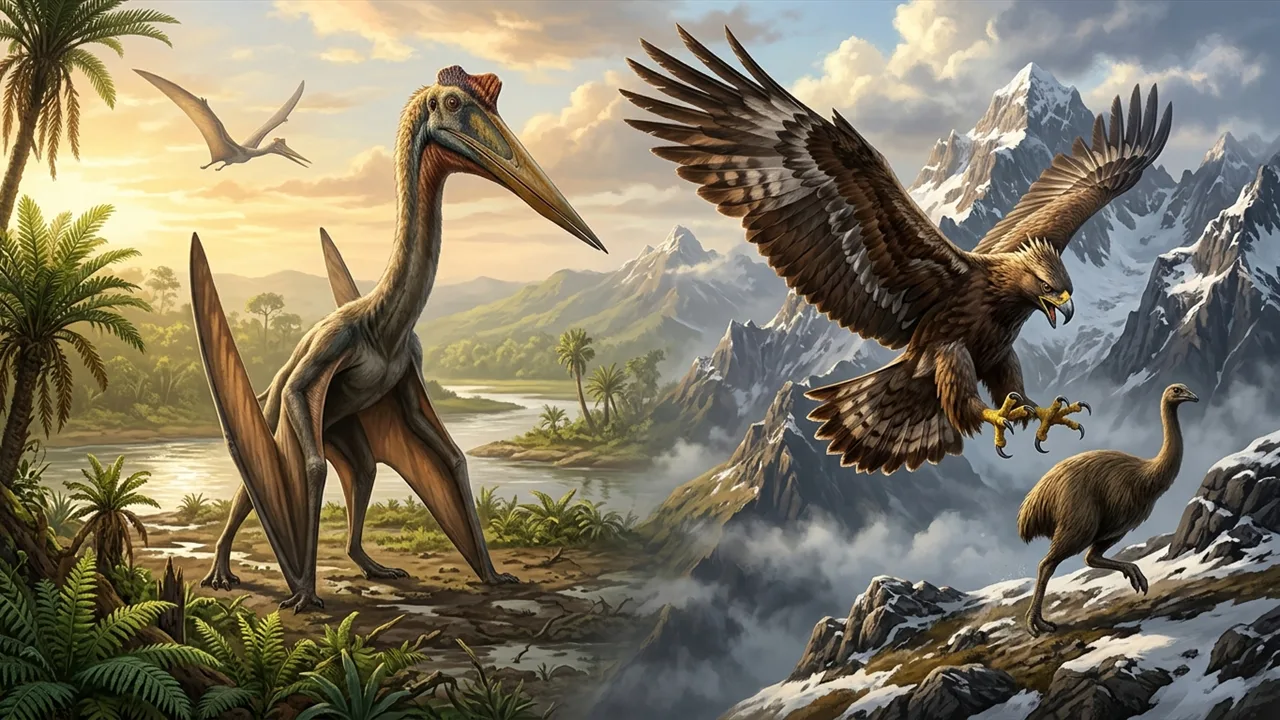
Quetzalcoatlus & Haast's Eagle: Sky Terrors
Looking up at prehistoric clouds could be just as scary as peering into dark water! Near the end of the dinosaur age, Quetzalcoatlus (pronounced ket-sahl-koh-AHT-lus) soared on thirty-six-foot wings as wide as a small airplane. This giant was not a dinosaur—and when it landed on open plains, it folded its wings to stand as tall as a giraffe, spearing baby dinosaurs with an eight-foot pointed beak!
Millions of years later, during the Ice Age , New Zealand's mountain forests belonged to Haast's Eagle. Weighing over thirty pounds, this feathered tucked its ten-foot wings to dive through trees at fifty miles per hour, striking five-hundred-pound flightless moa birds with talons as big as tiger claws!
Prehistoric skies produced both a giraffe-tall reptile that swallowed human-sized prey whole and a thirty-pound forest eagle strong enough to topple five-hundred-pound birds!
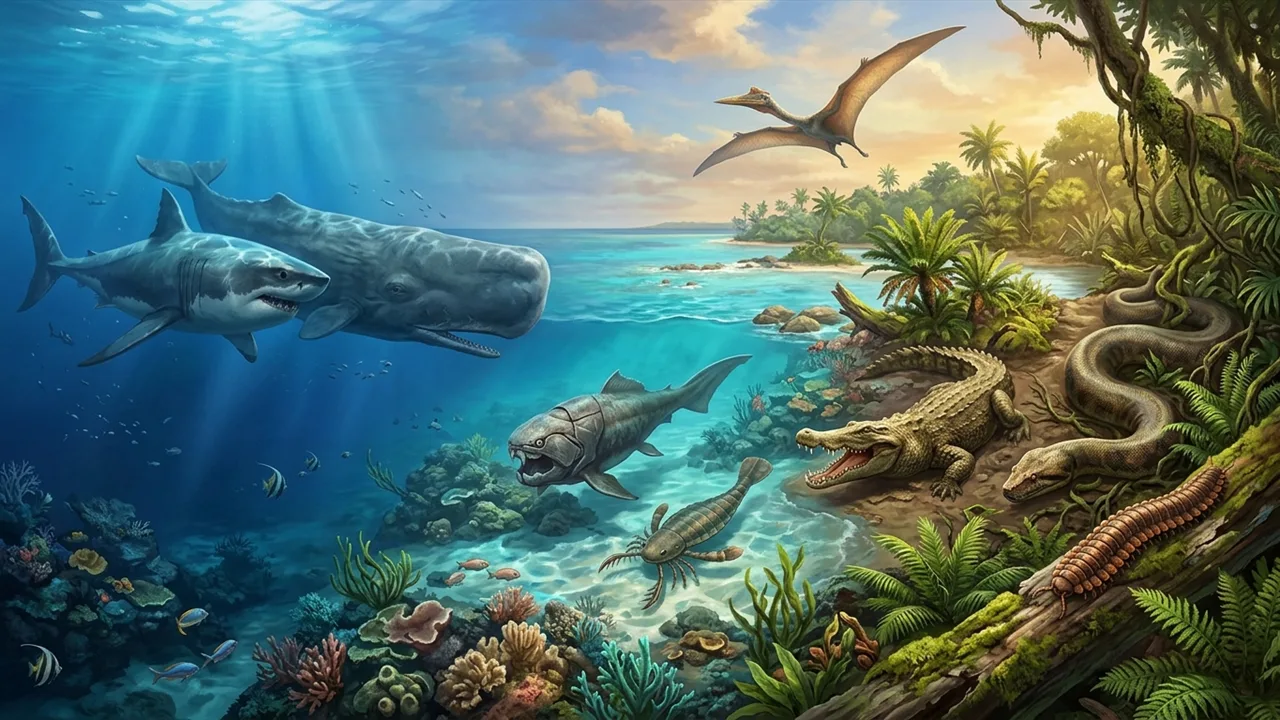
Prehistoric Size & Era Showdown
Across four hundred million years—from early seas and mossy coal swamps to Ice Age islands—Earth built incredible giants in every habitat! Buoyant ocean water supported sixty-foot Megalodon and whale-hunting Livyatan, while warm rivers, rainforests, and skies shaped ambush masters like Titanoboa, Super-Crocs, and towering Quetzalcoatlus.
Why are none of these monsters ruling Earth today? Whenever ancient climates cooled, oxygen levels dropped, or giant prey vanished, every huge faced tough survival limits. Smaller, adaptable creatures survived while the titans disappeared, leaving stone bones, teeth, and tracks behind. Explore the chart below to rank all eight chapters side by side!
| Creature | Max Size & Scale | Habitat | Geological Era |
|---|---|---|---|
| 1. Megalodon | 60 ft long. |
🌊 Sea | Cenozoic (Miocene–Pliocene, 23–3.6 MYA). |
| 2. Livyatan | 59 ft long. |
🌊 Sea | Cenozoic (Late Miocene, 9.9–8.9 MYA). |
| 3. Titanoboa | 48–50 ft long. |
🌿 Land / Swamp | Cenozoic (Paleocene, 60–58 MYA). |
| 4. Sarcosuchus & Deinosuchus | 40 ft long. |
🌊 River / Estuary | Mesozoic (Cretaceous, 112–73 MYA). |
| 5. Quetzalcoatlus & Haast's Eagle | 36 ft / 10 ft wingspan. |
☁️ Sky | Mesozoic (Cretaceous) & Cenozoic (Pleistocene). |
| 6. Dunkleosteus | 25–30 ft long. |
🌊 Sea | Paleozoic (Late Devonian, 382–358 MYA). |
| 7. Arthropleura | 8.5 ft long. |
🌿 Land / Swamp | Paleozoic (Carboniferous, 345–290 MYA). |
| 8. Jaekelopterus | 8.2 ft long. |
🌊 River / Estuary | Paleozoic (Early Devonian, ~400 MYA). |
Ocean giants won the pure size crown thanks to supportive seawater and blubber-rich whale prey, while land, swamp, and sky hunters perfected stealth, suction, and speed!