🧬 HUMAN BODY
🧬 Rapid Eye Movement Sleep • Neurobiology & Memory Consolidation
VA Science & Health SOL 1.1, 3.1, 4.2, 5.1 (Cells, Organs & Body Systems)
REM Sleep & Dreaming
Nighttime Brain Movies Filing Today's Memories
Grade 2 • Developing • 107 words
🩺 Body System & LocationBrainstem Pons, Visual Cortex, Hippocampus & Limbic System
🔬 Size / Cell Count4–6 cycles per night • ~20–25% of a child's 9–11 hour sleep
⚙️ Core JobReplays new skills, files memories, balances emotions, and sparks vivid dreams
⚡ Body SuperpowerLights up your sleeping brain as brightly as daytime while switching arm and leg muscles safely off
🤯 Mind-Blowing Fact • Grade 1
Sleepy puppies and kittens twitch their whiskers and paws because mammals dream during REM sleep too!
✨ Word Sparks (Grade 1 Glossary)
Tap 🔊 to hear
REM Sleep
Dreaming sleep stage with fast-moving closed eyes
Rapid
Moving very quickly from side to side
Memory
Something learned that your brain saves inside
🪝
Did you ever fly like a superhero or talk to a puppy inside a dream?
1
Wiggly Eyes Under Lids!
Snuggle under your warm blanket and close your eyes! Partway through the night, your closed eyes dart side to side. Scientists call this —short for Eye Movement!
2
Movie Time Inside
During , your busy brain plays colorful story dreams! Meanwhile, your arms and legs stay cozy and still in bed.
3
Saving What You Learned
helps your brain save new words, piano songs, and soccer kicks from today. Goodnight sleep makes you smarter!
1. What do the letters R-E-M stand for in REM sleep?
2. Why do your arms and legs stay still in bed while you dream of running?
🤯 Mind-Blowing Fact • Grade 2
Newborn babies spend half of their entire sleep time in REM sleep because their brand-new brains are wiring millions of connections every hour!
✨ Word Sparks (Grade 2 Glossary)
Tap 🔊 to hear
Sleep Cycle
Ninety-minute wave through deep and REM sleep
Brainstem
Lower brain part pausing muscles during dreams
Long-term
Saved in your brain for months or years
🪝
Why is your sleeping brain sometimes just as busy at two in the morning as during math class?
1
Riding the Sleep Roller Coaster
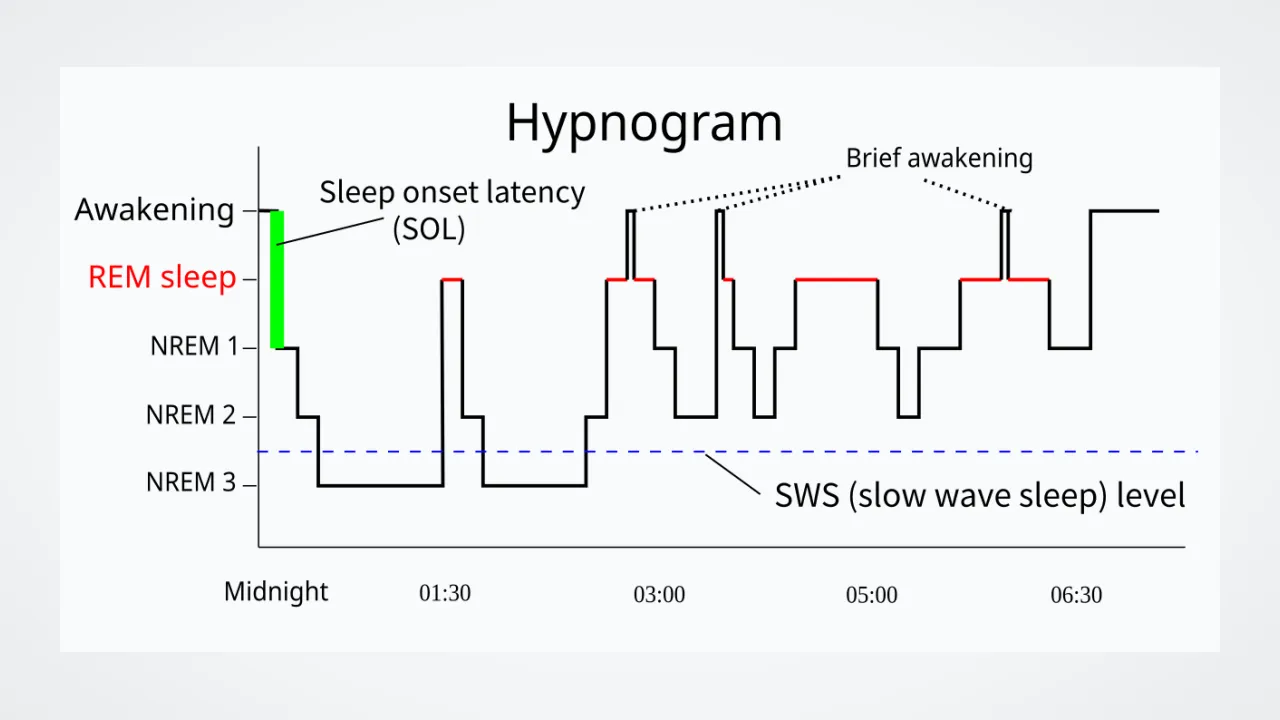
Falling asleep is not like flipping off a single light switch! All night long, your brain rides gentle 90-minute waves between quiet deep sleep and lively REM sleep. Deep sleep repairs tired muscles and bones, while REM sleep fires up your imagination!
2
The Built-In Safety Brake
During REM sleep, your eyeballs zip around behind closed lids as if watching an action movie! Cleverly, your puts a temporary pause on leg and arm muscles so you stay safely in bed instead of sprinting down the hallway.
3
Brain Filing Cabinet
While you dream, your brain sorts everything you practiced today—like spelling words or bike balance—moving keepers into storage and sweeping away clutter!
1. About how long does one full sleep cycle through deep sleep and REM sleep last?
2. What helpful job does your brain do with today's lessons during REM sleep?
🤯 Mind-Blowing Fact • Grade 3
Octopuses change skin colors in flashes while sleeping quietly—leading marine biologists to suspect octopuses have an active REM-like dream stage too!
✨ Word Sparks (Grade 3 Glossary)
Tap 🔊 to hear
Hippocampus
Seahorse-shaped brain center collecting new daily memories
Atonia
Safe temporary muscle pause during REM dreams
Paradoxical
Seeming like two opposite things at once
🪝
How did a curious scientist watching his eight-year-old son sleep in 1953 discover REM sleep?
1
A Midnight Discovery
Until the 1950s, most doctors assumed brains powered all the way down at night! Then in 1953, researchers Eugene Aserinsky and Nathaniel Kleitman hooked gentle brainwave sensors onto Aserinsky's sleeping eight-year-old son, Armond. Every ninety minutes, Armond's eyes darted rapidly and his brainwaves buzzed almost like daytime—revealing REM sleep!
2
Paradoxical Sleep
Scientists nicknamed REM ' sleep' because it seems like a riddle: your brain's visual and emotion centers glow brightly with story-like dreams, yet your voluntary skeletal muscles stay completely relaxed in a safe state called .
3
Hippocampus to Cortex Mail
During class, a seahorse-shaped brain hub called the collects fresh facts. At night, deep sleep and REM sleep team up to transfer those memories to your cerebral cortex and connect creative new ideas!
4
Longer Dreams Near Morning
Your first REM period of the night lasts only about ten minutes, while final morning REM periods stretch up to forty-five minutes—which is why morning dreams feel easiest to remember!
1. Why did scientists nickname REM sleep 'paradoxical sleep'?
2. Why do people usually remember morning dreams best?
🤯 Mind-Blowing Fact • Grade 4
Russian chemist Dmitri Mendeleev struggled for days to organize the chemical elements until he fell asleep at his desk and dreamed of a table where every element snapped into place!
✨ Word Sparks (Grade 4 Glossary)
Tap 🔊 to hear
Prefrontal Cortex
Front brain region handling logic and decisions
Amygdala
Almond-shaped brain center processing strong emotions
Melatonin
Evening hormone telling your brain bedtime arrived
🪝
Why do weird, rule-bending dreams happen—like riding a bicycle across clouds with your third-grade teacher?
1
Why Dreams Bend Logic
Brain scans during REM sleep solve the mystery of wild, wacky dreams! Visual regions at the back of your brain, movement-planning zones, and emotional centers like the light up even brighter than when you sit awake. Meanwhile, your —the logical 'fact-checker' behind your forehead—takes a cozy nap! With the logic boss offline, your brain freely remixes memories into flying adventures without questioning the plot.
2
Memory Replay and Creative Sparks
School-age kids need nine to eleven hours of nightly sleep so both Non-REM slow-wave sleep and REM sleep finish their jobs. Slow-wave sleep files factual memories from the hippocampus to the cortex, and then REM sleep weaves those fresh memories into existing knowledge networks—boosting problem-solving, musical timing, and athletic coordination! History holds famous stories of scientists waking from dreams with fresh breakthroughs, including chemist Dmitri Mendeleev picturing the periodic table!
3
Overnight Emotional First Aid
During REM sleep, stress chemicals like norepinephrine drop to zero for the only time all day! Replaying tricky daytime feelings in that calm chemical bath softens upsets so tomorrow feels brighter.
4
Protecting Your Melatonin Clock
Bright blue light from tablets right before bed tricks your brain into pausing —your darkness sleep signal—delaying peaceful sleep cycles!
1. Why don't bizarre plots in dreams surprise you until AFTER you wake up?
2. How does REM sleep help calm tough daytime feelings?
🤯 Mind-Blowing Fact • Grade 5
Bottlenose dolphins and fur seals sleep with only half of their brain at a time while the other half watches for danger and remembers to swim up for air!
✨ Word Sparks (Grade 5 Glossary)
Tap 🔊 to hear
EEG
Sensor cap recording electrical waves across brains
Neuroplasticity
Brain's ability to rewire and strengthen connections
Circadian
Twenty-four-hour internal body clock matching day-night
🪝
How do electroencephalogram waves, brainstem switches, and nocturnal glymphatic washes rebuild your brain every single night?
1
Sleep Architecture on the EEG
When Eugene Aserinsky and Nathaniel Kleitman recorded overnight electroencephalograms () at the University of Chicago in 1953—later joined by William Dement—they overturned centuries of belief that sleep is passive brain shutdown. Across four to six ninety-minute ultradian cycles nightly, humans alternate between three stages of Non-REM sleep (culminating in high-voltage delta slow waves of N3 deep sleep) and REM sleep, whose fast, low-voltage sawtooth theta and beta waves closely resemble waking consciousness!
2
Pontine Switches and REM Atonia
Deep within the brainstem's pons, cholinergic neurons launch REM episodes by firing bursts—called ponto-geniculo-occipital waves—into the thalamus and visual cortex, igniting vivid internal imagery and darting conjugate eye movements. Simultaneously, descending brainstem pathways release inhibitory neurotransmitters GABA and glycine onto spinal alpha motor neurons, inducing protective skeletal muscle atonia while sparing the diaphragm and extraocular eye muscles so breathing and eye motion continue uninterrupted.
3
Synaptic Plasticity and Memory Consolidation
Neuroscientists divide nightly memory work into a two-stage partnership. Early-night N3 slow-wave sleep drives sharp-wave ripples that transfer declarative facts from temporary hippocampal storage to neocortical vaults—while opening 'glymphatic' fluid channels that rinse metabolic byproducts from brain tissue! Late-night REM cycles then bathe synapses in acetylcholine while silencing locus coeruleus norepinephrine, pruning weak connections, strengthening procedural motor skills, and forging creative associations across distant cortical networks.
4
Ontogeny and Comparative Evolution
Across life, REM tracks : human infants spend fifty percent of sixteen daily sleep hours in REM to wire sensory maps, settling near twenty to twenty-five percent in school-age children and adults. Intriguingly, bottlenose dolphins sleep one brain hemisphere at a time without classical REM so they never stop surfacing to breathe, whereas birds, mammals, bearded dragons, and even color-flashing octopuses exhibit REM-like states!
5
Circadian Hygiene for Growing Minds
Consistent bedtimes, morning daylight, and dim evening rooms honor the suprachiasmatic nucleus clock, safeguarding those essential late-morning REM cycles.