1. What guides a modern tractor so it drives in super straight rows?
2. What do tiny soil sensors tell a farmer?
🤯 Mind-Blowing Fact • Grade 2
Indoor vertical farms can grow fresh strawberries and spinach all winter long while using ninety-five percent less water than outdoor fields!
✨ Word Sparks (Grade 2 Glossary)
Tap 🔊 to hear
moisture
Tiny drops of water held inside soil
nutrient
Natural food in soil that helps plants grow
greenhouse
A warm glass building for growing plants
🪝
Did you know some lettuce grows indoors on tall shelves without any dirt at all?
1
Checking Crops from Above
Morning mist rises over golden fields while a quiet drone hums above the crops. Standing beside a tall green tractor, a modern farmer checks a tablet map that shows which plants need extra water and care today.
2
Saving Water with Smart Sensors
Farming has changed from simple hand plows to smart machines guided by space satellites. Tiny underground sensors measure soil and plant , so farmers add water and fertilizer only where crops truly need them to grow strong.
3
Farms Inside Greenhouses
Some modern farmers even grow crisp lettuce indoors on tall shelves lit by glowing purple lamps. By blending nature with smart tools, they protect clean streams and grow fresh food for families in every season.
1. How do underground sensors help farmers protect nature?
2. How do indoor vertical farms give light to plants on stacked shelves?
🤯 Mind-Blowing Fact • Grade 3
One single American farmer today produces enough grains, fruits, vegetables, and milk to feed more than one hundred sixty-five people every year!
✨ Word Sparks (Grade 3 Glossary)
Tap 🔊 to hear
precision agriculture
Using data and tech to care for exact crop spots
cover crop
Plants grown between harvests to protect rich topsoil
hydroponics
Growing plants in nutrient-rich water without using soil
🪝
How do cameras on drones spot thirsty plants before a human eye even notices?
1
Farming Meets Space Technology
Imagine sitting inside a giant combine harvester that steers itself within an inch using signals from outer space! Across fields and greenhouses, a modern farmer combines plant biology, weather data, and smart machines to grow food for millions of hungry people every single day.
2
What Is Precision Agriculture?
This high-tech method is called . Drones with special cameras scan orchards and fields to spot thirsty leaves or hungry bugs early. Instead of spraying an entire field, farmers treat only the exact spots that need help, saving thousands of gallons of fresh water.
3
Caring for Living Topsoil
Soil health is another top priority on today's farms. Farmers plant clover and rye during winter as to hold rich topsoil in place and feed helpful earthworms. Rotating different crops from year to year keeps nutrients balanced underground naturally.
4
Growing Roots Without Dirt
Not every modern farm needs wide open pastures anymore. Inside city warehouses, vertical farms stack trays of strawberries and spinach under energy-saving LED lights using , growing healthy roots in nutrient-rich water without any dirt at all!
1. Why do modern farmers plant clover or rye as winter cover crops?
2. What makes hydroponic farming different from field farming?
🤯 Mind-Blowing Fact • Grade 4
Special camera drones can detect stressed crop leaves up to ten days before a person walking through the field could spot any color change!
✨ Word Sparks (Grade 4 Glossary)
Tap 🔊 to hear
no-till farming
Planting seeds without plowing up protective old stalks
watershed
All the land where rain drains into one waterway
biodiversity
A rich variety of living plants, insects, and animals
🪝
How can smart farming tools in the Shenandoah Valley keep the Chesapeake Bay clean hundreds of miles downstream?
1
Data at Dawn
Before sunrise in Virginia's Shenandoah Valley, an automated weather station beams real-time humidity, wind speed, and soil temperature readings straight to a farmer's dashboard. Rather than guessing when rain might arrive, a modern farmer analyzes satellite imagery and sensor networks to make scientific decisions for every acre of soybeans, apples, or dairy pasture.
2
Rolling Computer Labs
Precision agriculture turns giant tractors and harvesters into rolling computer labs. Global Positioning System receivers guide planters along exact rows so wheels never crush tender roots or compact soft earth. Variable-rate sprayers read digital field maps on the fly, adjusting seed spacing and organic fertilizer drop by drop, which prevents excess nutrients from washing into rivers like the Chesapeake Bay .
3
Ecosystem Stewards
Modern farmers also act as ecosystem stewards who protect and soil microbiology. By practicing , they leave last season's plant stalks on the ground to lock moisture in, prevent wind erosion, and store carbon deep in the earth. Many farms release beneficial ladybugs to eat crop pests naturally and plant wildflower borders so honeybees can pollinate fruit blossoms.
4
Year-Round Indoor Harvests
Beyond open fields, controlled-environment agriculture is transforming how cities eat. Hydroponic and aquaponic greenhouses recycle up to ninety-five percent of their water while growing tomatoes, herbs, and leafy greens year-round near local grocery stores. Whether tending robotic milking barns or solar-powered orchards, modern farmers unite earth science, engineering, and stewardship to feed a growing world sustainably.
1. How do variable-rate sprayers help protect rivers and the Chesapeake Bay watershed?
2. What is one major benefit of practicing no-till farming?
🤯 Mind-Blowing Fact • Grade 5
In agrivoltaic farming, raising solar panels high above vegetable crops creates cooling shade that helps plants retain soil moisture while generating clean electricity at the same time!
✨ Word Sparks (Grade 5 Glossary)
Tap 🔊 to hear
agronomy
The science of soil management and crop production
multispectral
Capturing light wavelengths beyond what human eyes see
aeroponics
Growing suspended plant roots fed by nutrient mist
🪝
How can invisible infrared light reflected from a cornfield tell a satellite which exact plants are thirsty?
1
Where Agronomy Meets Robotics
Picture an autonomous tractor gliding across a three-hundred-acre field at dawn, guided to sub-inch accuracy by Real-Time Kinematic satellite navigation while drones map chlorophyll levels overhead. Far removed from the stereotypes of centuries past, a modern farmer operates at the intersection of , robotics, data analytics, and environmental stewardship to feed more than eight billion people on Earth.
2
Reading Infrared Crop Signals
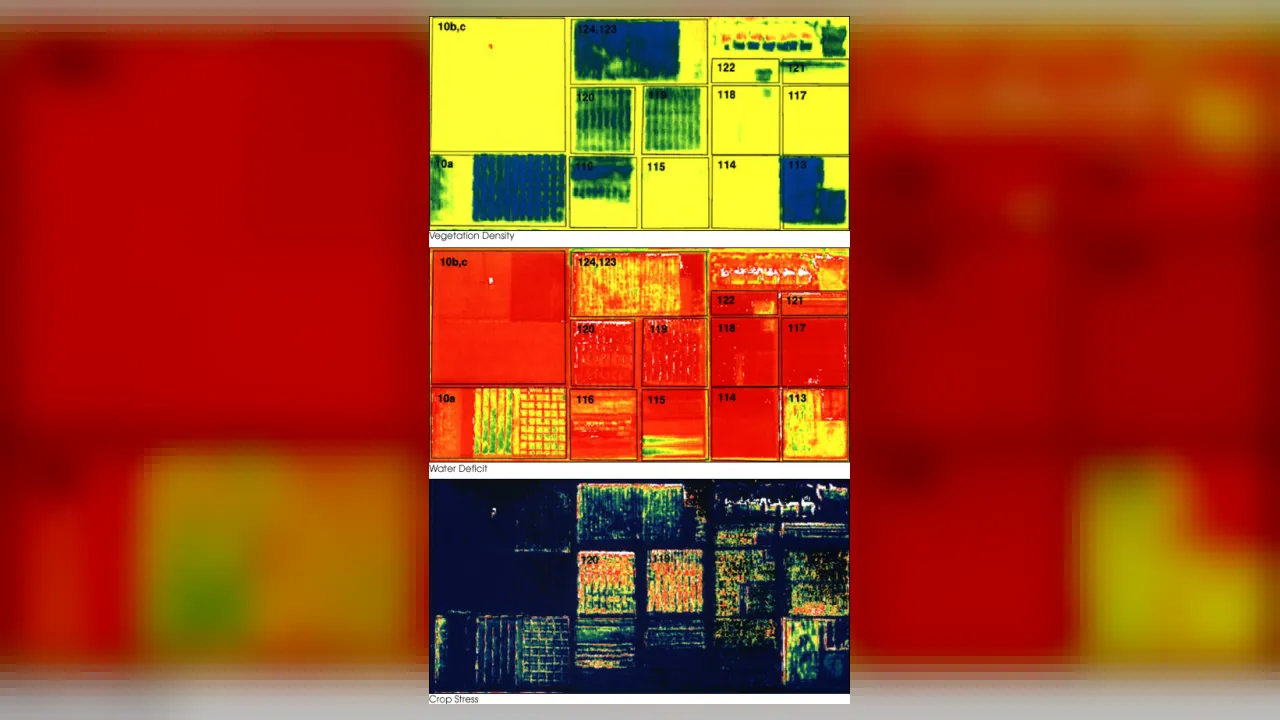
Every square meter of farmland functions as a living laboratory filled with microbial life, mineral cycles, and shifting moisture levels. Agronomists and farmers deploy wireless Internet-of-Things soil probes alongside orbital remote-sensing satellites that detect infrared light reflected by crop canopies. When stressed plants reflect slightly less infrared energy, days before human eyes would notice yellowing leaves, variable-rate irrigation rigs deliver targeted water and nitrogen right to that specific zone.
3
Regenerative Soil Science
Regenerative soil management is equally vital for long-term food security and watershed protection. Across major agricultural regions, from the Midwest Corn Belt to Virginia's Piedmont and Coastal Plain farms, growers combine no-till planting, multi-species cover cropping, and rotational grazing. These practices rebuild organic matter, boost beneficial mycorrhizal fungi, reduce topsoil erosion by over eighty percent, and keep agricultural runoff out of sensitive estuaries.
4
Smart Barns and Vertical Towers
Livestock care and indoor horticulture have undergone an equally dramatic technological leap. In smart dairy barns, cows wear activity-tracking collars and walk voluntarily into robotic milking stalls that check milk quality and animal health automatically. Meanwhile, urban vertical farms cultivate stacked tiers of leafy greens using closed-loop hydroponic and aeroponic misting systems tuned to red-and-blue photosynthetic LED wavelengths, yielding harvests 365 days a year with minimal land footprint.
5
Harvesting Clean Energy and Food
Modern farmers also manage complex supply chains, weather forecasting models, and renewable farm energy such as agrivoltaic solar arrays and methane digesters. By blending centuries-old respect for seasons and land with twenty-first-century biotechnology and precision engineering, today's agricultural innovators grow nutritious harvests while preserving fertile soil and clean water for future generations.