Marcus Aurelius
The Philosopher Emperor Who Led with Wisdom
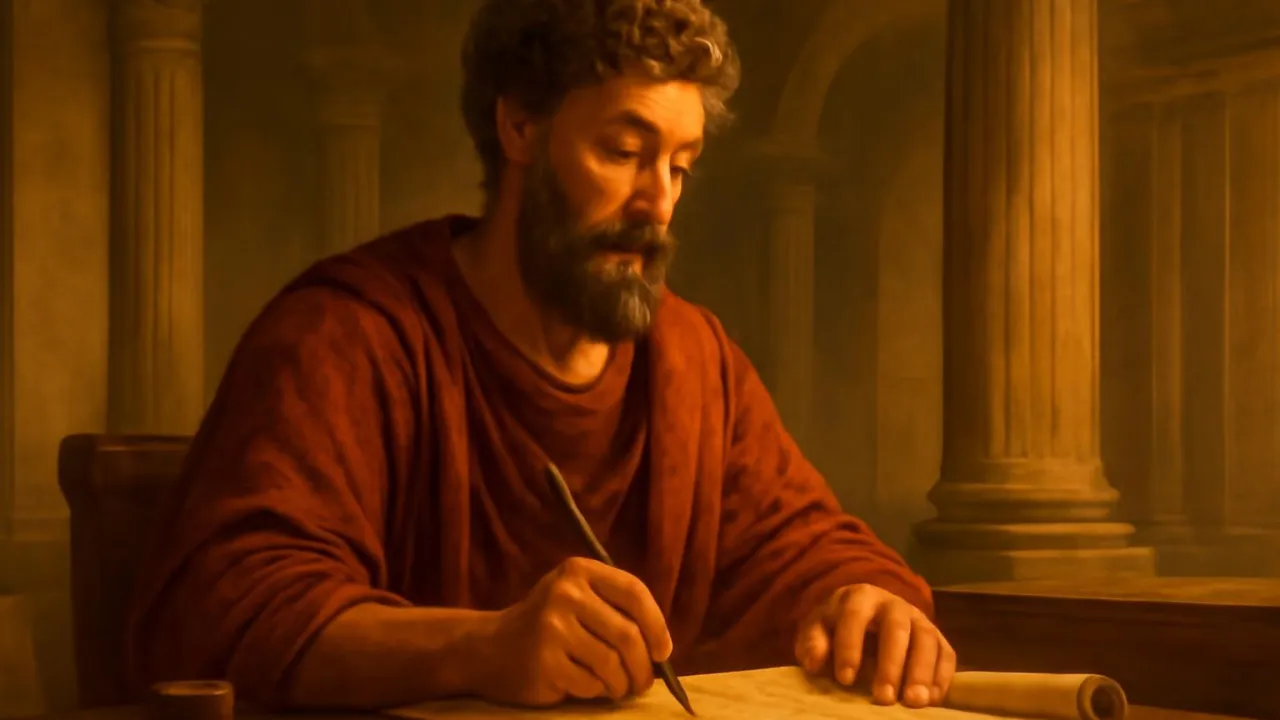
Marcus Aurelius’s 'Meditations' is still studied by world leaders, athletes, and philosophers today!
1 A Childhood Fueled by Curiosity
In the bustling heart of ancient Rome, young Marcus Aurelius spent his days surrounded by books, philosophers, and endless questions. His family, part of Rome’s noble class, encouraged him to study history, literature, and philosophy from an early age. Marcus was especially fascinated by the teachings of Stoic philosophers, who believed that self-control and reason were the keys to a good life. He often pondered how he could use wisdom to help others, even before he knew he would one day rule an empire. This early curiosity planted the seeds for his lifelong journey as a philosopher and leader.
2 The Stoic Path: Discipline and Reflection
Marcus Aurelius became a devoted student of Stoicism, a philosophy that teaches people to remain calm and rational, no matter what challenges they face. He practiced daily reflection, writing his thoughts and struggles in a personal journal that later became known as 'Meditations.' Through these writings, Marcus reminded himself to act with justice, patience, and , even during times of war and political unrest. His commitment to self-discipline helped him make fair decisions, resist anger, and treat others with respect. These Stoic habits would guide him throughout his life as emperor.
3 Leadership During Turbulent Times
When Marcus Aurelius became emperor in 161 CE, the Roman Empire faced enormous challenges, including invasions, plagues, and internal conflicts. Despite these hardships, Marcus led with a calm and steady hand, always seeking wise counsel from trusted advisors. He believed that a true leader must serve the people and act for the common good, not personal gain. Even while commanding armies on distant frontiers, he found time to write in his journal, reflecting on how to stay strong and compassionate. His leadership style earned him respect from both soldiers and citizens alike.
4 The Enduring Wisdom of 'Meditations'
Marcus Aurelius’s private writings, later published as 'Meditations,' offer timeless lessons in , kindness, and moral strength. In these pages, he explores how to face without losing hope or becoming bitter, encouraging readers to focus on what they can control. 'Meditations' has inspired countless leaders, writers, and thinkers for nearly two thousand years, making it one of the most influential works in Western philosophy. Marcus’s words remind us that wisdom, not power, is the true measure of greatness.
5 A Legacy of Thoughtful Leadership
Today, Marcus Aurelius is remembered as both a philosopher and one of Rome’s most respected emperors. His reign is often called the last of the 'Five Good Emperors,' a time marked by relative peace and wise governance. Historians admire his ability to balance the demands of ruling a vast empire with his dedication to personal growth and ethical living. Marcus’s example encourages us to lead with empathy, seek understanding, and face life’s challenges with courage and self-control. His life proves that thoughtful leadership can leave a lasting legacy for generations to come.
1. How did Marcus Aurelius use Stoicism as a ruler?
2. Why is 'Meditations' still important today?