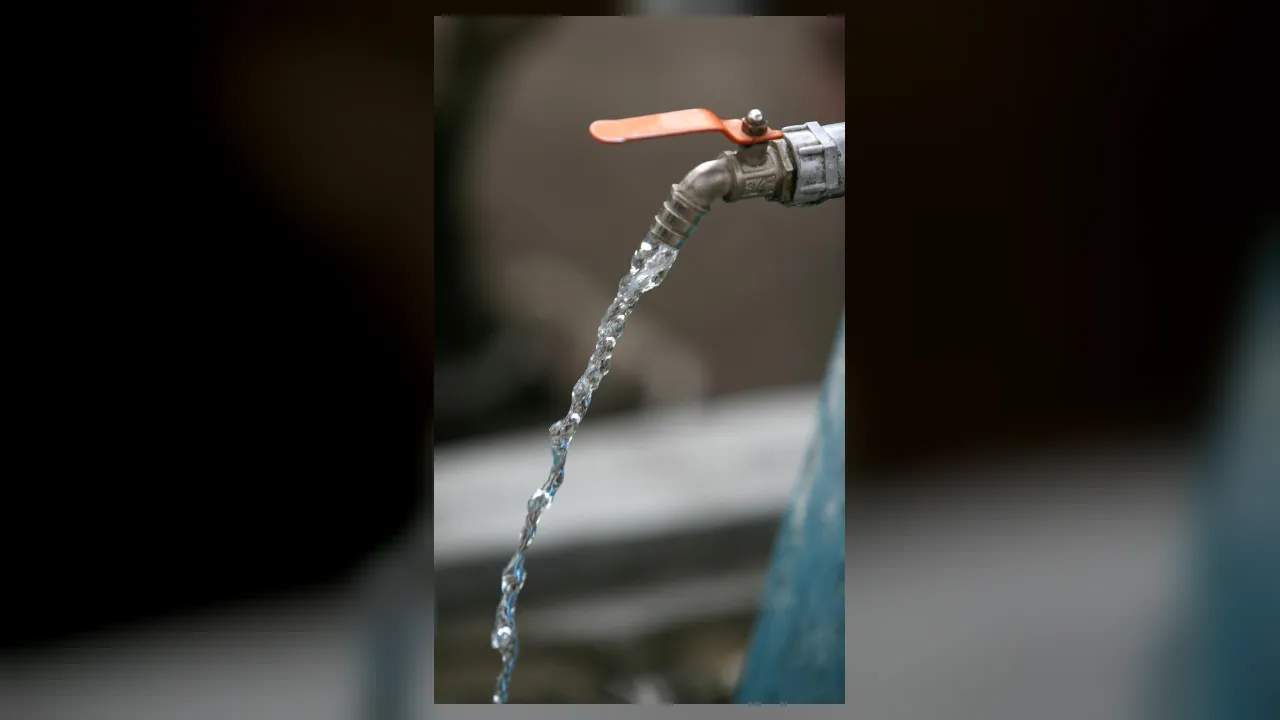
1. About how much of a kid's body is made of water?
2. What signal does your brain send when your water level drops?
🤯 Mind-Blowing Fact • Grade 2
Even your seemingly dry, rock-hard bones are actually about thirty-one percent water!
✨ Word Sparks (Grade 2 Glossary)
Tap 🔊 to hear
Dehydration
When your body loses too much water
Plasma
Watery yellow liquid part of your blood
Evaporate
When liquid water turns into invisible vapor
🪝
Why can you see tiny fog clouds puffing from your mouth on a frosty morning?
1
Water Hiding Everywhere
Breathe onto a cold window and watch a misty cloud appear! Even your breath carries water out of your body. Roughly two-thirds of a child's body is water—tucked inside your brain, blood, muscles, and even hard bones.
2
Cooling and Carrying
Staying hydrated keeps every body system humming smoothly. Water makes up most of blood so nutrients glide to your toes. It also lubricates bending joints, wets your eyes when you blink, and as sweat to cool you down.
3
Checking Your Water Level
Your kidneys balance water all day long. Pale yellow pee like light lemonade means you are well hydrated, while dark apple-juice yellow means it is time to drink extra water!
1. How does sweat water cool down your skin on a hot day?
2. What easy clue shows your body is nicely hydrated?
🤯 Mind-Blowing Fact • Grade 3
Your brain and heart are both roughly seventy-three percent water, while spongy lungs are over eighty percent water!
✨ Word Sparks (Grade 3 Glossary)
Tap 🔊 to hear
Hypothalamus
Brain control center sensing thirst and heat
Hormone
Chemical messenger traveling through your bloodstream
Lubricate
To make moving parts slide smoothly
🪝
How does a tiny sensor deep inside your brain know the exact moment you need a glass of water?
1
Two Fluid Compartments
Step onto a bathroom scale, and nearly two-thirds of your weight comes from water! About two-thirds of that water lives right inside your trillions of cells, while the rest flows outside cells as blood plasma and cushiony fluid around tissues.
2
The Brain's Thirst Thermostat
Tucked deep inside your brain sits a control center called the . Whenever you sweat or breathe out moisture, your blood grows slightly saltier. Special sensors in the hypothalamus taste that change right away and switch on your feeling of thirst!
3
Smart Kidney Recycling
At the same time, your brain sends a message telling your kidneys to save water. Your kidneys recycle almost ninety-nine percent of the water they filter, letting out only enough liquid to flush away body wastes.
4
Food Counts Too!
Plain water is the champion drink for hydration, because sugary sodas add extra work without helping more. About twenty percent of your daily water also arrives tucked inside juicy fruits, soups, yogurt, and crunchy vegetables!
1. Which brain region senses salty blood and switches on your feeling of thirst?
2. About how much of your daily water typically comes from eating fruits, veggies, and other foods?
🤯 Mind-Blowing Fact • Grade 4
American physician Peter Agre won the 2003 Nobel Prize in Chemistry for discovering aquaporins—microscopic protein 'plumbing pipes' that whisk three billion water molecules per second across cell membranes!
✨ Word Sparks (Grade 4 Glossary)
Tap 🔊 to hear
Solvent
Liquid able to dissolve many other substances
Osmoreceptor
Brain sensor detecting saltiness in blood fluid
Aquaporin
Tiny cell doorway built just for water
🪝
Why does losing just two percent of your body's water make math problems feel harder and playground sprints feel slower?
1
Life's Universal Solvent
Biologists call water life's universal because nutrients, oxygen, hormones, and waste molecules dissolve easily in it so blood can ferry them everywhere. Inside an average child, sixty-five percent of total body mass is water—split between intracellular fluid plumping up trillions of cells and extracellular fluid circulating as blood plasma, lymph, and joint-cushioning synovial fluid.
2
Osmoreceptors and Vasopressin
Every hour, water escapes through sweat glands, exhaled lung vapor, digestion, and urine. Even a one percent rise in blood salt concentration triggers specialized nerve cells called in the hypothalamus. Instantly, two things happen: conscious thirst signals fire so you reach for a water bottle, and the pituitary gland releases antidiuretic hormone—also called vasopressin—into the bloodstream.
3
Water Doors in the Kidneys
When vasopressin reaches your kidneys, microscopic collecting tubes insert tiny protein water channels called into their walls. Water slips right back into the bloodstream instead of leaving as urine! Once you drink plenty of water and blood dilutes back to normal, vasopressin drops and kidneys release pale, dilute urine.
4
Protecting Brain Focus and Heart Effort
Mild dehydration of just two percent shrinks blood plasma volume slightly, forcing your heart to beat faster to pump thicker blood to muscles and cooling skin. Even brain focus, mood, and reaction speed dip until you rehydrate!
1. What does antidiuretic hormone (vasopressin) tell your kidneys to do when water runs low?
2. Why does mild dehydration force your heart to beat faster during exercise?
🤯 Mind-Blowing Fact • Grade 5
Your two kidneys filter roughly one hundred eighty liters of fluid every single day—recycling your entire blood plasma volume up to sixty times in twenty-four hours!
✨ Word Sparks (Grade 5 Glossary)
Tap 🔊 to hear
Homeostasis
Keeping internal body conditions steady and balanced
Vasopressin
Hormone instructing kidneys to conserve body water
Thermoregulation
Maintaining a safe and steady body temperature
🪝
How do brain osmoreceptors, pituitary hormones, and two million kidney nephrons balance forty liters of body water within a fraction of one percent?
1
Fluid Compartments and Thermal Stability
In nineteenth-century Paris, physiologist Claude Bernard marveled that humans walk across scorching deserts and freezing tundra only because cells bathe in a remarkably steady internal sea—a concept Walter Cannon later named . Roughly sixty to sixty-five percent of human mass consists of water: two-thirds sequestered as intracellular fluid inside cells, and one-third distributed outside cells as interstitial fluid, blood plasma, cerebrospinal fluid, and joint lubricants. Because water possesses an unusually high specific heat capacity, absorbing large bursts of muscle heat with minimal temperature rise, hydration anchors human .
2
Hypothalamic Osmosensing
Daily water losses—averaging two to three liters through renal excretion, cutaneous perspiration, and invisible respiratory vapor—concentrate dissolved plasma solutes. Specialized osmoreceptor neurons in the hypothalamus actually shrink microscopically when plasma osmolality climbs by just one to two percent! That tiny mechanical stretch opens ion channels, sparking thirst awareness while signaling the posterior pituitary gland to secrete arginine into circulation.
3
Aquaporins and Renal Conservation
Inside your two kidneys, roughly two million nephrons filter one hundred eighty liters of plasma every day—enough to fill a bathtub! binds receptors on renal collecting ducts, prompting vesicles packed with aquaporin-2 water channels to fuse with tubule membranes. Single-file streams of H2O molecules race back into blood while blocking ions, reclaiming over ninety-nine percent of filtered water when intake is scarce.
4
Dehydration vs. Overhydration
Fluid balance works in both directions. Losing two to three percent of body water reduces stroke volume, impairs evaporative sweating, and slows working memory, whereas chugging extreme volumes of plain water faster than kidneys can excrete (~0.8–1.0 liter per hour) risks diluting plasma sodium dangerously.
5
Evolution of the Endurance Cooler
Equipped with two to four million eccrine sweat glands—far more than furry mammals that must pant—humans evolved into champion warm-weather walkers and runners, provided steady hydration and dietary electrolytes replenish our internal sea.