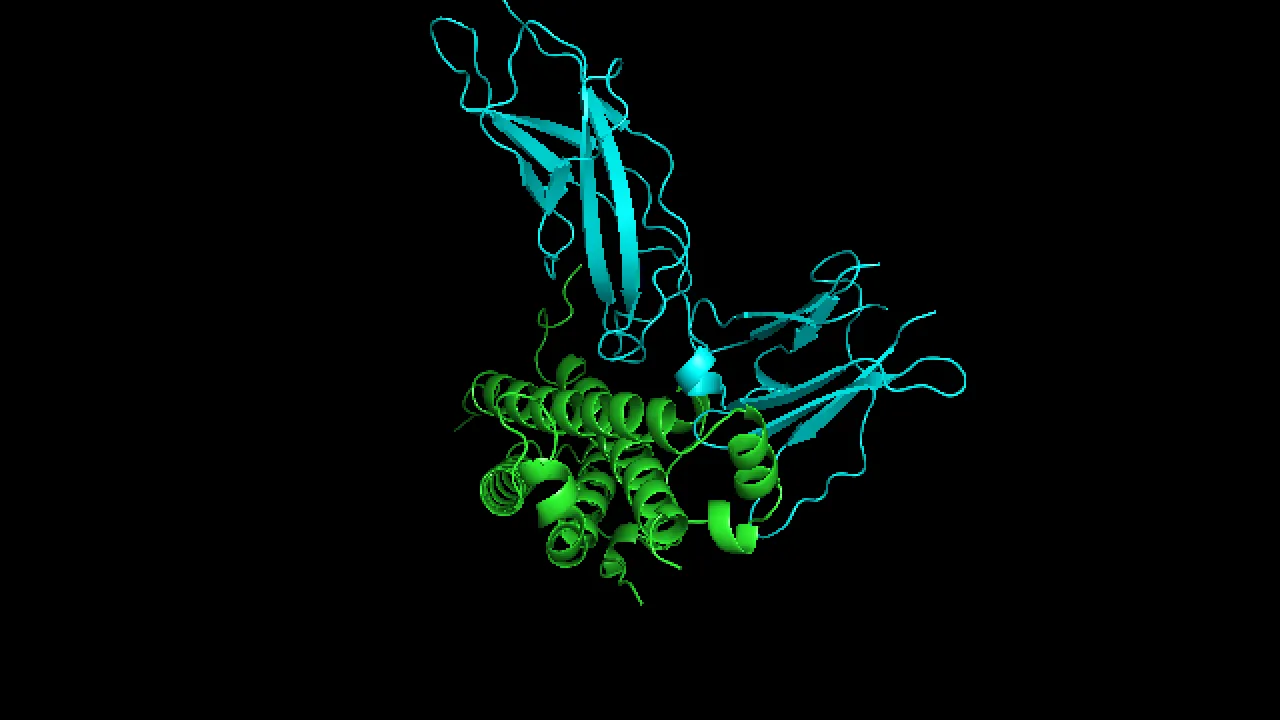
1. When does your brain's tiny pituitary gland send out the biggest waves of growth hormone?
2. About how big is the pituitary gland that makes growth hormone?
🤯 Mind-Blowing Fact • Grade 2
Kids often grow two to three inches taller every single year until their bone growth plates finish sealing in their late teens!
✨ Word Sparks (Grade 2 Glossary)
Tap 🔊 to hear
Growth Plate
Soft zone near bone ends adding length
Cartilage
Firm flexible tissue found in ears and joints
Master Gland
Nickname for the directing pituitary brain gland
🪝
How do hard bones get longer every year without cracking in the middle?
1
Messages From the Master Gland
Hanging just underneath your brain is the pea-sized pituitary gland, often called the body's . Throughout childhood, it releases bursts of growth hormone—especially after exercise and during deep sleep.
2
Secret Growth Plates
Near both ends of your long arm and leg bones sit softer zones of stretchy called . Growth hormone tells cells inside those plates to multiply, stack up, and slowly harden into brand-new bone!
3
Lifelong Repair Crew
Even after grown-ups reach their full height, their bodies still make smaller amounts of growth hormone to keep muscles strong and repair tired tissues.
1. Where inside your arm and leg bones does new length actually get added?
2. Do adults still need growth hormone after they stop getting taller?
🤯 Mind-Blowing Fact • Grade 3
Your thighbone—the femur—has the busiest growth plates in your body, adding more inches to your height than any other bone!
✨ Word Sparks (Grade 3 Glossary)
Tap 🔊 to hear
Somatotropin
Scientific name for human growth hormone protein
Chondrocyte
Cell building flexible cartilage inside growth plates
Osteoblast
Builder cell laying down hard mineral bone
🪝
Why does growth happen in sudden 'growth spurts' instead of a tiny steady drip every minute?
1
Meet Somatotropin
Scientists call growth hormone —from Greek words meaning 'body nourishment.' Built from a folded chain of 191 amino acids inside the anterior pituitary gland, it travels in rhythmic pulses rather than a flat stream, surging highest an hour after you enter deep slow-wave sleep and after energetic play.
2
Partnering With Your Liver
Surprisingly, growth hormone doesn't work alone! When a pulse reaches your liver, liver cells release a partner messenger called Insulin-like Growth Factor 1, or IGF-1. Together, growth hormone and IGF-1 act like an architect and a construction foreman.
3
Stacking Chondrocytes
Inside the epiphyseal growth plates near the ends of your femur, tibia, and arm bones, IGF-1 prompts cartilage cells called to line up like coins. Behind them, bone-building replace old cartilage with hard calcium mineral.
4
Fueling Active Kids
Growth hormone also helps muscle cells absorb amino acids from healthy meals to weave thicker muscle fibers while unlocking stored fats for steady energy.
1. Which organ teams up with growth hormone by releasing the partner messenger IGF-1?
2. Which two healthy habits naturally encourage strong growth-hormone pulses in kids?
🤯 Mind-Blowing Fact • Grade 4
Compare an X-ray of a ten-year-old's wrist versus a twenty-five-year-old's wrist and you can literally see dark cartilage gaps where growth plates are still wide open in the kid!
How do two opposing brain signals—one gas pedal and one brake—control exact pulses of growth hormone day and night?
1
Push-and-Pull Brain Control
Just above the pituitary stalk, your hypothalamus conducts growth hormone using two opposing signals. Growth Hormone-Releasing Hormone (GHRH) presses the gas pedal so pituitary somatotroph cells release somatotropin, while a second hormone named gently taps the brakes. This push-and-pull rhythm produces six to ten distinct hormone pulses every twenty-four hours!
2
Endochondral Ossification in Action
How do soft cartilage plates become rock-solid bone without shrinking? Through endochondral ! Along the side of an facing the joint, chondrocytes divide rapidly under IGF-1 signaling, pushing the bone end outward. Along the trailing edge facing the bone shaft, older cartilage calcifies and osteoblasts remodel it into sturdy mineralized bone—lengthening the shaft while the growth plate itself stays the same thickness for years.
3
Protein Sparing and Fuel Switching
Beyond height, growth hormone is a master metabolic coordinator. Between meals or overnight, it prompts fat cells to release fatty acids for energy so precious glucose stays reserved for your hungry brain and dietary amino acids go straight into building muscle proteins.
4
When Growth Plates Close
Near the end of adolescence, rising maturation hormones speed faster than cartilage divides until each fuses into a thin epiphyseal line, locking in adult stature.
1. How do GHRH and somatostatin work together to regulate growth hormone?
2. Why can pediatricians see open growth plates on a child's X-ray?
🤯 Mind-Blowing Fact • Grade 5
Unlike insulin from cows or pigs, animal growth hormones cannot unlock human receptors—making recombinant DNA bacteria in 1979 a lifesaving breakthrough for pediatric endocrinology!
✨ Word Sparks (Grade 5 Glossary)
Tap 🔊 to hear
Adenohypophysis
Front hormone-making lobe of the pituitary gland
Anabolic
Building larger tissues like muscle and bone
Recombinant DNA
Joining genes so microbes make helpful medicines
🪝
How did genetic engineering in 1979 teach harmless bacteria to brew pure human growth hormone for children who needed it?
1
Pulsatile Secretion Along the Somatotropic Axis
Synthesized by acidophilic somatotroph cells that make up nearly half of the anterior pituitary gland (), human growth hormone (hGH or somatotropin) is a single-chain polypeptide of 191 amino acids folded by two disulfide bridges. Hypothalamic neurons orchestrate its pulsatile release: arcuate GHRH—reinforced by stomach-derived ghrelin—stimulates transcription and exocytosis, whereas periventricular somatostatin inhibits release, concentrating peak surges during Stage N3 slow-wave sleep.
2
JAK-STAT Signaling and the Somatomedin Hypothesis
In 1957, William Daughaday and Ernest Salmon proposed the somatomedin hypothesis after noticing serum from healthy animals spurred cartilage growth far better than raw pituitary hormone alone. Today we know hGH binds dimeric cytokine-family receptors on hepatocytes, activating intracellular JAK2-STAT5 pathways that transcribe Insulin-like Growth Factor 1 (IGF-1). Circulating IGF-1—stabilized by carrier binding proteins—pairs with local paracrine IGF-1 inside growth plates to drive linear skeletal elongation, while rising IGF-1 feeds back to the hypothalamus to prevent excess secretion.
3
Anabolic Muscle Building vs. Lipolytic Fuel Mobilization
Physiologically, somatotropin performs a clever dual act: it is strongly toward protein and bone—accelerating amino-acid transport, ribosomal translation, and osteoblast collagen synthesis—while acting catabolically toward adipose tissue by stimulating hormone-sensitive lipase to mobilize free fatty acids during fasting or vigorous exercise.
4
Clinical Balance Across Development
Because sensitivity depends on whether epiphyseal plates remain open, childhood hGH deficiency slows linear growth, whereas rare childhood overproduction accelerates height; in adults whose plates have already ossified, balanced baseline hGH preserves lean muscle mass, bone mineral density, and cardiovascular health.
5
From Choh Hao Li to Recombinant Biotechnology
Biochemist Choh Hao Li first isolated and later sequenced human growth hormone at UC Berkeley between 1956 and 1971. Because animal growth hormones do not fit human receptors, medical supplies stayed painfully scarce until 1979, when scientists inserted the human hGH gene into harmless laboratory bacteria—creating safe, limitless recombinant somatotropin for pediatric medicine.