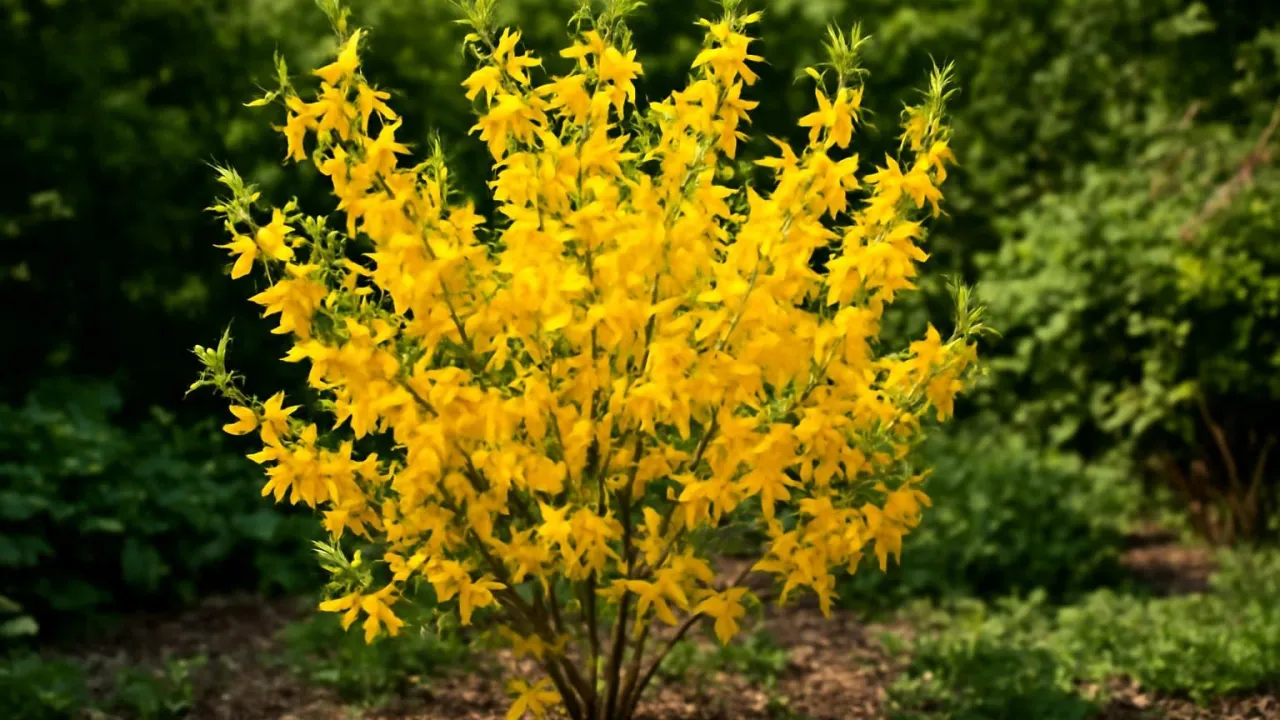
Forsythia is one of the first plants to bloom, signaling that spring has arrived!
✨ Word Sparks (Grade 2 Glossary)
Tap 🔊 to hear
bloom
When a flower opens and grows
branch
A part of a plant that grows out from the stem
sunlight
Light from the sun that helps plants grow
🪝
Have you seen a bush covered with bright yellow flowers in early spring?
1
Early Spring Blooms
Forsythia bushes very early in spring, often before leaves appear. Their bright yellow flowers cover many . These flowers look like tiny stars shining in the sun.
2
Growing Tall and Wide
Forsythia plants can grow from three to ten feet tall in gardens. They have long, thin that spread out wide. These bushes like to grow in places with lots of .
3
Sun and Water Help Growth
Forsythia needs full sun and moderate water to grow well. It grows best in gardens, parks, and yards where it gets enough light. Birds and insects often visit these bushes during spring.
Forsythia’s bright yellow flowers bloom before leaves, helping it attract early pollinators.
✨ Word Sparks (Grade 3 Glossary)
Tap 🔊 to hear
pollinator
An animal that helps flowers make seeds
deciduous
A plant that loses its leaves each year
adaptation
A special trait that helps plants survive
🪝
Did you know forsythia’s bright yellow flowers help it survive early spring?
1
Early Blooms and Adaptations
Forsythia blooms early in spring before its leaves appear, a special . This helps it attract like bees quickly. The bright yellow flowers stand out against bare branches. This early bloom gives it an advantage in the plant world.
2
Physical Features and Growth
Forsythia is a shrub that grows between three and ten feet tall. Its long, thin branches grow outward and help it catch sunlight. The flowers grow in clusters along the branches, making the bush very colorful. Its leaves grow after the flowers fall.
3
Habitat and Ecosystem Role
Forsythia thrives in temperate regions with full sun and moderate water. It is often found in gardens and parks, where it provides nectar for . This plant helps support early spring insects. It also adds beauty to human landscapes.
4
Survival and Protection
Forsythia’s early bloom helps it avoid competition for with other plants. Its bright flowers also warn some herbivores away. The shrub’s tough branches protect it from wind damage. These help it survive and thrive each year.
Forsythia’s early blooms support pollinators and signal spring’s arrival in many ecosystems.
✨ Word Sparks (Grade 4 Glossary)
Tap 🔊 to hear
pollination
When pollen moves to help flowers make seeds
ecosystem
A place where plants and animals live together
habitat
The natural home of a plant or animal
🪝
How does forsythia’s early bloom affect its role in ecosystems and gardens?
1
Early Blooming and Pollination
Forsythia blooms early in spring, often before many other plants have leaves. This early blooming helps attract pollinators such as bees and butterflies that need nectar after winter. Because of this, forsythia plays an important role in supporting early pollinator populations. The bright yellow flowers are highly visible, increasing success.
2
Growth and Geographic Range
Forsythia shrubs grow between three and ten feet tall and spread wide with long branches. They thrive in temperate zones across East Asia and Southeastern Europe but are widely planted worldwide in gardens. Their ability to grow in full sun and tolerate moderate drought makes them popular in many climates. Forsythia’s adaptability helps it colonize new areas easily.
3
Ecosystem and Human Impact
Forsythia provides nectar for early-season pollinators, helping maintain healthy food webs. It also offers shelter for small animals and birds. Humans value forsythia for its ornamental beauty and use it widely in landscaping. However, in some regions, it can spread aggressively, potentially affecting native plants.
4
Cause and Effect of Bloom Timing
By blooming before leaves appear, forsythia avoids shading its flowers and maximizes sunlight exposure. This timing reduces competition for pollinators with other plants that bloom later. The early flowers also signal the start of spring to many animals. These cause-and-effect relationships help forsythia thrive in its environment.
Forsythia’s hybrid origin and early bloom timing give it a unique advantage in temperate ecosystems worldwide.
✨ Word Sparks (Grade 5 Glossary)
Tap 🔊 to hear
hybrid
A plant made by crossing two different plants
carotenoids
Pigments that give yellow and orange colors
pollinator
An animal that helps flowers make seeds and fruit
🪝
What scientific traits help forsythia thrive as an early spring flowering shrub worldwide?
1
Taxonomy and Botanical Classification
Forsythia × intermedia is a species within the Oleaceae family, commonly known as the olive family. It is a deciduous shrub resulting from crosses between Forsythia suspensa and Forsythia viridissima. This hybridization produces vigorous growth and abundant early yellow blooms. Forsythia is classified in the angiosperm group, meaning it produces flowers and seeds enclosed in fruit.
2
Physiological Mechanics of Blooming
Forsythia initiates flower bud development during late winter dormancy, triggered by increasing daylight and temperature. The bright yellow petals contain pigments called that absorb sunlight efficiently. Early blooming allows the plant to exploit activity before other species flower. Its long, arching branches maximize flower display and sunlight capture, enhancing reproductive success.
3
Ecological Role and Conservation
Forsythia plays a vital role in temperate ecosystems by providing nectar for early such as bees and butterflies. Its early flowering supports food webs after winter scarcity. Widely cultivated for ornamental purposes, it has naturalized in many regions but rarely becomes invasive. Conservation efforts focus on preserving native pollinator habitats where forsythia contributes positively.
4
Botanical History and Human Use
Forsythia was introduced to Europe from East Asia in the 18th century and quickly gained popularity in horticulture. Its bright spring flowers symbolize renewal and hope in many cultures. Gardeners prize it for low maintenance and adaptability to various soils. Forsythia’s varieties have been selectively bred for flower size, color intensity, and growth habit.
5
Quantitative Comparisons and Growth
Forsythia shrubs typically grow between three and ten feet tall, with some reaching up to three meters. Flowering occurs at temperatures around 50°F (10°C) in early spring. The plant’s rapid growth rate allows it to fill garden spaces quickly, often expanding several feet per year. Its bright yellow flowers can cover entire branches, creating vibrant displays visible from a distance.