Did you know some vegetables are made by mixing two plants together?
1
Broccolini’s Special Look
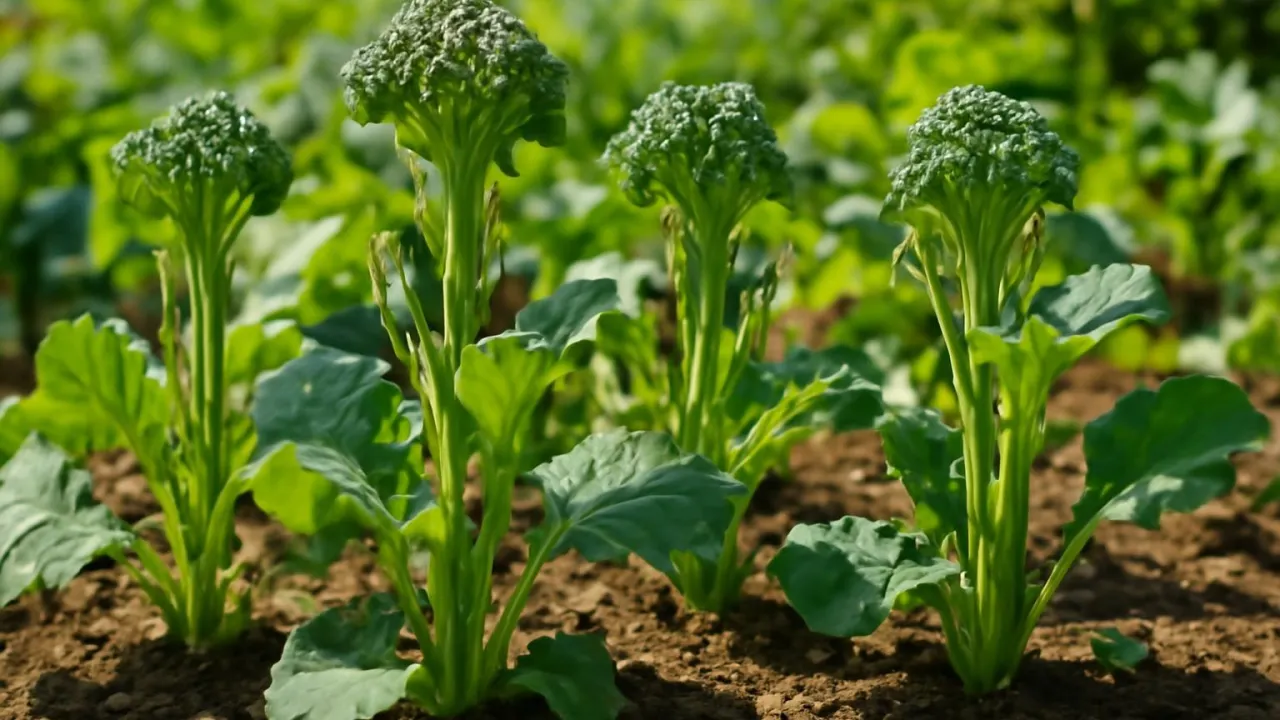
Broccolini has long, skinny stems and small green tops. It looks a lot like broccoli, but its stems are thinner and softer. The tops are tiny and fluffy, almost like little clouds. People like to eat it because it is easy to chew.
2
How Broccolini Grows
Broccolini grows best in sunny gardens with rich, moist . Farmers plant seeds in rows, and the plants need plenty of water to grow tall. After a few months, the stems and tops are ready to pick. Broccolini is usually harvested in the cool springtime.
3
A Tasty Mix
Broccolini is a of broccoli and Chinese kale, which makes it special. Its taste is sweet with a little pepper flavor, and both the stem and top are eaten. You can steam, roast, or eat it raw in salads. Many people love its crunchy bite and bright green color.
Broccolini is a hybrid, which means it’s a plant made by mixing two different vegetables together!
✨ Word Sparks (Grade 3 Glossary)
Tap 🔊 to hear
hybrid
A mix of two living things
floret
A tiny flower cluster on veggies
photosynthesis
How plants use sunlight to make food
🪝
What if your favorite veggie was actually a plant invention?
1
A Veggie with a Secret
Broccolini is not just a small broccoli. It was created by crossing broccoli with Chinese kale, making it a plant. Its long, slender stems and tiny, loose are easy to spot. This gives broccolini a sweet flavor and makes it quick to cook.
2
Growing Up Green
Broccolini grows best in places with full sun and rich, moist soil. Farmers plant its seeds in neat rows and water them often. After about two to three months, the plants are tall and ready to harvest. Spring is the best season for broccolini because it likes cooler weather.
3
Super Stems and Fluffy Tops
Both the stem and the top of broccolini are edible, unlike some other vegetables. The stems are tender and do not need to be peeled, which saves time. The tops are made up of small, loose clusters called . This shape helps the plant catch sunlight for .
4
Broccolini’s Survival Tricks
Broccolini’s green color comes from chlorophyll, which helps it make food from sunlight. Its long stems let it reach up and get more light than shorter plants. The plant’s leaves and stems store water, so it can keep growing even if it gets a little dry. These adaptations help broccolini thrive in gardens and farms.
Broccolini was invented in Japan less than 40 years ago!
✨ Word Sparks (Grade 4 Glossary)
Tap 🔊 to hear
nutrient
Something that helps plants or people grow strong
resilient
Able to handle tough times or weather
pollinator
An insect that moves pollen between flowers
🪝
Imagine tasting a vegetable that was invented by people, not just nature!
1
Born from a Clever Plant Mix
Broccolini was created by crossing broccoli with Chinese kale, so it is a plant invention. This special mix was first made in Japan in 1993, and it quickly became popular for its sweet, mild taste. Broccolini’s long, slender stems and small, loose florets make it stand out from regular broccoli. Its tender texture and bright green color are loved by cooks and gardeners everywhere.
2
How Broccolini Grows Best
Broccolini thrives in full sun and prefers moist, -rich soil to grow strong and tall. Farmers plant the seeds in rows and water them regularly, especially during dry spells. The plant grows quickly, reaching harvest size in just two to three months. Spring’s cool temperatures help broccolini develop its best flavor and prevent it from flowering too soon.
3
A Nutrient-Packed Powerhouse
Both the stems and florets of broccolini are edible, providing vitamins A, C, and K, as well as fiber and calcium. Its bright green color comes from chlorophyll, which is essential for photosynthesis and plant health. Broccolini’s structure allows it to capture more sunlight, helping it grow even in crowded gardens. The plant’s ability to store water in its stems makes it more during short dry periods.
4
Broccolini in the Ecosystem
Broccolini plays a role in the garden ecosystem by attracting like bees when it flowers. Its shallow roots help prevent soil erosion, and its leaves add back to the earth when they decompose. Because it is a hybrid, broccolini does not grow true from saved seeds, so farmers must plant new seeds each season. Its popularity has spread from Japan to farms and gardens across the United States and beyond.
1. Why do farmers need to plant new broccolini seeds each year?
2. How does broccolini help the soil?
🤯 Mind-Blowing Fact • Grade 5
Broccolini was invented in 1993 and can be harvested up to three times per season!
✨ Word Sparks (Grade 5 Glossary)
Tap 🔊 to hear
hybrid
An organism made by combining two different species
chlorophyll
The green pigment that lets plants make food from sunlight
antioxidant
A substance that helps protect cells from damage
🪝
What if you could taste a vegetable invented by humans just 30 years ago?
1
A Modern Marvel with a Tasty Twist
Imagine biting into a vegetable that didn’t exist before the 1990s! Broccolini was created in Japan in 1993 by crossing broccoli and Chinese kale, giving it a unique mix of flavors and textures. Its scientific name is Brassica oleracea × Brassica rapa, and it belongs to the Brassicaceae family, which includes cabbage, cauliflower, and Brussels sprouts. Unlike genetically modified organisms, broccolini was made using traditional plant breeding, so its traits are naturally inherited. Its long, slender stems and small, loose florets make it easy to recognize on your plate. Broccolini quickly became popular around the world for its mild, sweet, and slightly peppery taste.
2
How Broccolini Grows and Survives
Broccolini thrives in full sun and needs moist, nutrient-rich soil to reach its full height of 12 to 24 inches (30–60 centimeters). The plant grows quickly, usually ready to harvest in just 60 to 90 days after planting. Its tender stems contain water-storing tissues, helping it survive short dry spells better than some other vegetables. The loose green florets are actually clusters of tiny flower buds, which can bloom into yellow flowers if not picked in time. Broccolini’s leaves, stems, and florets are all edible and packed with , which powers photosynthesis. Its structure allows it to capture sunlight efficiently and keep growing even in crowded gardens.
3
Nutritional Power and Kitchen Versatility
Broccolini is a powerhouse of vitamins A, C, and K, and it also provides fiber, calcium, and . Its sweet, slightly peppery flavor makes it popular with both kids and adults, and it can be eaten raw, steamed, roasted, or stir-fried. Unlike regular broccoli, broccolini’s stems are so tender that you can eat them whole, which reduces food waste and makes cooking easier. A 100-gram serving has about 35 calories and 2.4 grams of fiber, making it a healthy choice. The bright green color signals its high nutrient content and freshness. Broccolini’s nutrients help keep your bones, eyes, and immune system strong.
4
Broccolini’s Place in Farms and Nature
Broccolini is grown on farms and in gardens across the United States, Australia, and many other temperate regions. Because it is a , farmers cannot save seeds from their own crops—new seeds must be purchased each year to grow true broccolini. Its yellow flowers attract pollinators like bees, which help other plants reproduce and support healthy ecosystems. Broccolini’s shallow roots help prevent soil erosion, and its decomposing leaves return nutrients to the soil. With its quick growth cycle and high yield, broccolini is a great choice for sustainable agriculture. Its popularity has helped increase the variety of vegetables available in stores and markets.
5
A Vegetable with Surprising Abilities
Broccolini can be harvested up to three times from the same plant in a single season, making it efficient for farmers. Its stems can grow up to 8 inches (20 centimeters) long, while the whole plant can reach 24 inches (60 centimeters) tall. Compared to regular broccoli, broccolini matures faster and tolerates cool spring temperatures better. Although it is not considered endangered, responsible farming helps protect soil and water for future crops. By choosing broccolini, you support agricultural diversity and get to enjoy a delicious vegetable with a remarkable scientific story. Who knew a modern invention could be so tasty and good for the planet?