2. What does the inside of cooked squash look like?
🤯 Mind-Blowing Fact • Grade 2
Spaghetti squash’s unique inside texture looks just like cooked noodles!
✨ Word Sparks (Grade 2 Glossary)
Tap 🔊 to hear
alternative
A different choice or option
flesh
The soft part inside a fruit or vegetable
vines
Plants that grow long and twist around
🪝
Have you ever eaten a vegetable that looks like spaghetti noodles?
1
Bright Yellow and Hard Outside
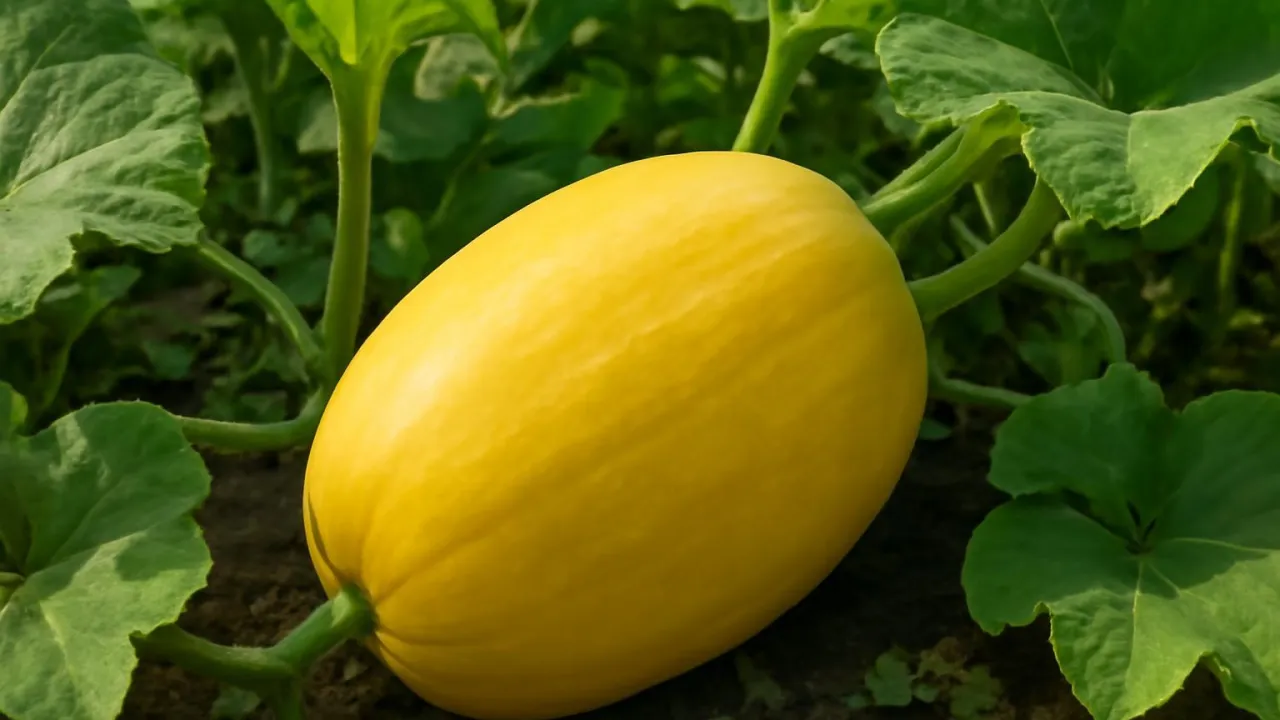
Spaghetti squash is bright yellow and feels hard on the outside. It grows on long green in gardens. Farmers water it often so it grows big and healthy.
2
Inside Looks Like Spaghetti Noodles
When cooked, the inside separates into long, thin strands like spaghetti noodles. People use it as a healthy pasta . It tastes mild and slightly sweet when eaten warm.
3
Grows Best in Sunny Places
This squash needs full sun and plenty of water to grow well. It is mostly grown in North and Central America. Bugs sometimes visit the , but the plant protects itself.
2. What does the inside of cooked spaghetti squash look like?
🤯 Mind-Blowing Fact • Grade 3
Spaghetti squash’s flesh naturally forms strands like noodles when cooked!
✨ Word Sparks (Grade 3 Glossary)
Tap 🔊 to hear
adaptation
A change that helps a plant survive
nutrients
Food that plants get from soil
food web
How plants and animals eat each other
🪝
Did you know spaghetti squash is a vegetable that looks like pasta inside?
1
Bright Yellow Skin and Hard Shell
Spaghetti squash has a bright yellow skin that is hard and thick. This tough shell protects the seeds inside from animals and weather. It grows on long vines that spread across the ground.
2
Inside Flesh Forms Noodle-Like Strands
When cooked, the flesh of the squash separates into thin, spaghetti-like strands. This natural helps the plant spread its seeds by attracting animals. People enjoy eating these strands as a healthy pasta alternative.
3
Grows in Sunny Gardens with Plenty of Water
Spaghetti squash thrives in warm, sunny gardens where it receives full sunlight. It needs regular watering to absorb from the soil. The plant’s broad leaves help shade the ground and reduce water loss.
4
Part of the Food Web and Plant Family
Spaghetti squash belongs to the gourd family, which includes pumpkins and cucumbers. It plays a role in the by providing food for insects and animals. Its seeds can be eaten or planted to grow new plants.
Spaghetti squash’s bright yellow shell and noodle-like flesh help it survive and feed many creatures.
✨ Word Sparks (Grade 4 Glossary)
Tap 🔊 to hear
symbiotic
Two living things helping each other
pollinators
Animals that help flowers make seeds
ecosystem
All plants and animals living together
🪝
How does spaghetti squash’s unique inside help it survive in nature?
1
Protective Shell and Bright Yellow Color
Spaghetti squash has a thick, hard shell that protects its seeds from predators and harsh weather conditions. Its bright yellow color signals ripeness to animals that help spread seeds far from the parent plant. This cause-and-effect relationship ensures the plant reproduces successfully and continues its life cycle.
2
Noodle-Like Flesh Supports Human and Animal Diets
The flesh inside naturally separates into spaghetti-like strands when cooked, providing a nutritious, low-calorie food source for humans. Animals also feed on the squash, making it an important part of local food webs and supporting biodiversity. This relationship benefits both the plant and its surrounding .
3
Grows in Warm Regions with Full Sunlight
Spaghetti squash thrives in warm climates across North and Central America where full sunlight is abundant throughout the growing season. It requires regular watering and nutrient-rich soil to develop large, healthy fruits. Farmers cultivate it widely, positively impacting agricultural economies and food availability.
4
Role in Agriculture and Ecosystems
The plant contributes to soil health by adding organic matter when its vines decompose after harvest. It also supports like bees and butterflies that visit its flowers for nectar and pollen. Human farming practices influence its growth and availability in markets worldwide, affecting balance.
1. What does the bright yellow color of spaghetti squash do?
2. How do pollinators help spaghetti squash?
🤯 Mind-Blowing Fact • Grade 5
Spaghetti squash’s unique fiber structure lets its flesh turn into noodle-like strands when heated.
✨ Word Sparks (Grade 5 Glossary)
Tap 🔊 to hear
pectin
A natural substance that holds plant cells together
cellulose
A strong fiber that makes plant walls sturdy
genetic diversity
Different traits in plants that help survival
🪝
What makes spaghetti squash a fascinating vegetable both scientifically and nutritionally?
1
Scientific Classification and Botanical Details
Spaghetti squash, scientifically named Cucurbita pepo, belongs to the Cucurbitaceae family, which includes pumpkins and cucumbers. It is a warm-season annual plant that produces large fruits with a tough rind. The fruit’s flesh is unique because it separates into noodle-like strands when cooked, a rare botanical adaptation. This adaptation is unusual among fruits and vegetables.
2
Physiological Mechanics of Flesh Strand Formation
The flesh inside spaghetti squash consists of densely packed fibers arranged longitudinally. When cooked, the heat softens the that binds the fibers, allowing them to separate easily into spaghetti-like strands. This mechanical property makes it an excellent low-carbohydrate pasta alternative. The strands’ texture is firm yet tender, making it popular in healthy diets.
3
Conservation, Cultivation, and Agricultural History
Native to North and Central America, spaghetti squash has been cultivated for centuries by indigenous peoples. Modern agriculture has expanded its cultivation globally due to its nutritional benefits and culinary versatility. Conservation efforts focus on preserving heirloom varieties to maintain , which helps protect against diseases and environmental changes.
4
Ecological Role and Human Impact
Spaghetti squash plants contribute to ecosystem biodiversity by supporting pollinators such as bees and butterflies. Agricultural practices impact soil health positively when crop residues decompose. However, intensive farming can threaten local ecosystems if not managed sustainably. Sustainable farming helps balance human needs with environmental protection.
5
Quantitative Comparisons and Nutritional Facts
Typically, spaghetti squash fruits weigh between 2 to 4 pounds (0.9 to 1.8 kilograms) and measure 6 to 8 inches (15 to 20 centimeters) in length. The flesh contains about 42 calories per cup, much lower than traditional pasta, making it a popular choice for healthy diets worldwide. Its water content is high, helping with hydration and digestion.