🧬 HUMAN BODY
🧬 Extracellular Blood Matrix • Circulatory System
VA Science & Health SOL 1.1, 3.1, 4.2, 5.1 (Cells, Organs & Body Systems)
Blood Plasma
The Golden Liquid River Carrying Every Blood Cell
Grade 2 • Developing • 111 words
🩺 Body System & LocationCirculatory System • Liquid stream filling arteries, veins, and capillaries
🔬 Size / Cell Count55% of total blood volume • ~2.7–3.0 liters in an adult human
⚙️ Core JobTransports blood cells, nutrients, hormones, antibodies, and body heat everywhere
⚡ Body SuperpowerLooks pale golden-yellow on its own while carrying hundreds of dissolved life-giving cargos at once
🤯 Mind-Blowing Fact • Grade 1
If you gently separate all the red cells out of blood, the liquid blood plasma left behind is sunny straw-yellow!
✨ Word Sparks (Grade 1 Glossary)
Tap 🔊 to hear
Plasma
The pale yellow liquid part of your blood
Nutrient
Helpful food bits your body uses to grow
Flow
To move smoothly along like a gentle stream
🪝
Did you know more than half of your blood is actually pale yellow?
1
A Golden River Inside You
Picture tiny red boats floating down a sunny yellow river! In your body, that liquid river is called blood . Without plasma, your blood cells could not move anywhere at all.
2
Mostly Made of Water
Blood is mostly clean water mixed with helpful salts and food bits. That is why drinking water on hot days helps your blood smoothly!
3
Delivering Lunch to Cells
After you eat an apple, carries tiny bits of food energy to your toes, tummy, and brain.
1. What color is pure blood plasma when red blood cells are separated out?
2. What makes up most of your liquid blood plasma?
🤯 Mind-Blowing Fact • Grade 2
More than half of every drop of blood—about 55 percent—is liquid plasma rather than solid cells!
✨ Word Sparks (Grade 2 Glossary)
Tap 🔊 to hear
Dissolve
To mix completely into a liquid and disappear
Hormone
A chemical note carrying instructions through your blood
Kidney
A bean-shaped organ that filters waste from blood
🪝
How do vitamins from your breakfast reach your fingertips by lunchtime?
1
Spinning a Tube of Blood
Suppose a lab scientist spins a tiny tube of blood very fast in a machine. Heavy red cells sink to the bottom, while a clear, golden liquid rises to the top! That golden liquid is blood plasma, and it makes up more than half of all your blood.
2
Your Body's Delivery Highway
About ninety-two percent of plasma is water, making it a fast liquid highway. Red cells, white cells, and platelets all surf along in its current from head to toe.
3
Invisible Passengers
Dissolved right inside plasma are sugars, vitamins, and minerals from your meals, plus chemical notes called . Plasma also picks up cellular trash and drops it off at your to be washed away!
1. Roughly how much of your total blood is made of liquid plasma?
2. Where does blood plasma take dissolved cellular waste to be filtered out?
🤯 Mind-Blowing Fact • Grade 3
Because plasma is mostly water, it works like a built-in liquid heating and cooling system that keeps your core temperature near 98.6°F (37°C)!
✨ Word Sparks (Grade 3 Glossary)
Tap 🔊 to hear
Centrifuge
A fast-spinning machine that separates liquids by weight
Glucose
Simple blood sugar that fuels hungry body cells
Amino acid
A tiny building block digested from protein foods
🪝
How does your blood spread warmth from your hard-working muscles out to chilly fingers and toes?
1
Three Layers in a Centrifuge
Whirrrr! Inside a medical laboratory, a spinning machine called a separates a blood sample into three neat layers in minutes. Red blood cells pack the bottom 45 percent, a paper-thin white band of leukocytes and platelets sits in the middle, and straw-colored blood plasma fills the top 55 percent.
2
More Than Salty Water
While plasma is 92 percent water, the remaining 8 percent is packed with hundreds of hardworking dissolved ingredients. Nutrients like , , and vitamins ride through plasma from your digestive tract straight to growing tissues.
3
Built-In Thermostat and Shield
Because water holds heat remarkably well, circulating plasma acts like liquid radiator fluid! It absorbs extra heat from busy organs like your liver and muscles, spreading cozy warmth evenly or carrying excess heat toward your skin so you can cool off.
4
Protein Helpers Aboard
Plasma also carries special proteins made by the liver and immune system, including germ-fighting antibodies and clotting proteins ready to seal scrapes.
1. What machine do scientists use to spin blood so golden plasma rises to the top?
2. How does blood plasma help keep your body temperature steady?
🤯 Mind-Blowing Fact • Grade 4
Roughly 70 percent of the carbon dioxide your muscles produce rides back to your lungs dissolved in blood plasma as bicarbonate—the same ion found in baking soda!
✨ Word Sparks (Grade 4 Glossary)
Tap 🔊 to hear
Albumin
Liver-made plasma protein that keeps water inside vessels
Electrolyte
Charged mineral salt that helps nerves and muscles
Serum
Golden plasma fluid with clotting proteins removed
🪝
What stops the watery plasma inside leaky capillaries from soaking out and leaving your blood vessels bone-dry?
1
A Precision-Balanced Soup
Every cell in your body depends on a stable neighborhood—neither too salty nor too watery, neither too acidic nor too alkaline. Blood plasma maintains this delicate balance! Alongside water, glucose, and dissolved such as sodium, potassium, and calcium ions, plasma carries seven percent dissolved proteins that perform jobs plain water never could.
2
Albumin: The Water Magnet
Capillary walls have microscopic pores so oxygen and nutrients can slip out to feed nearby cells. With heartbeats pushing liquid outward, why doesn't all your plasma leak into surrounding tissues? Thank a protein called ! Manufactured by your liver, albumin molecules are too bulky to squeeze through capillary pores. Like tiny sponges, they exert osmotic pull that draws water right back into capillaries, keeping blood volume and blood pressure steady.
3
Fibrinogen, Globulins, and CO2 Transport
Two other protein families share the plasma stream: fibrinogen waits quietly until needed to weave blood clots, while globulins shuttle fat-soluble vitamins and supply infection-blocking antibodies. Surprisingly, most carbon dioxide leaving your cells does not ride on hemoglobin—instead, about seventy percent travels dissolved right in plasma as bicarbonate ions!
4
Plasma vs. Serum
When doctors remove clotting fibrinogen from plasma in a lab test, the remaining golden fluid is called —packed with antibodies that reveal your immune history.
1. Why is the liver-made protein albumin so important inside blood plasma?
2. How does most waste carbon dioxide travel from muscles back to your lungs?
🤯 Mind-Blowing Fact • Grade 5
Pioneering surgeon Dr. Charles Drew helped develop large-scale dried plasma banks in 1940, proving plasma lasts months longer than whole blood without refrigeration!
✨ Word Sparks (Grade 5 Glossary)
Tap 🔊 to hear
Hematocrit
The percentage of blood volume packed with red cells
Oncotic
Water-pulling force created by large dissolved plasma proteins
Buffer
A chemical partner pair that keeps acidity steady
🪝
How did World War II biochemists turn golden liquid blood plasma into a life-saving powder that needed no refrigeration?
1
The Extracellular Matrix of Blood
In histology, blood is classified as a specialized fluid connective tissue: living cells suspended within a nonliving extracellular matrix called blood plasma. Accounting for roughly 55 percent of whole blood (determined by spinning an anticoagulated sample to measure ), an adult's three liters of plasma link every organ system into one continuous chemical communication network.
2
Colloid Osmotic Pressure and Acid-Base Buffering
Although 91.5 percent water by weight, plasma owes its physiological magic to dissolved solutes. Hepatic synthesis supplies roughly 70 grams of plasma proteins per liter—60 percent serum albumin, 35 percent alpha-, beta-, and gamma-globulins (immunoglobulins), and 4 percent fibrinogen. Albumin generates colloid osmotic () pressure across capillary beds, counterbalancing hydrostatic blood pressure according to Starling forces so interstitial tissues do not swell with excess fluid. Simultaneously, plasma's carbonic acid–bicarbonate system absorbs metabolic acids and bases, locking arterial blood pH tightly between 7.35 and 7.45.
3
Lipoproteins and Hormone Escorts
Because fats and steroid hormones repel water, they cannot dissolve freely in aqueous plasma. Instead, albumin and specialized lipoprotein spheres (such as HDL and LDL) package hydrophobic lipids, cholesterol, and thyroid or adrenal hormones into water-friendly parcels for pinpoint cellular delivery.
4
Charles Drew and Freeze-Dried Plasma
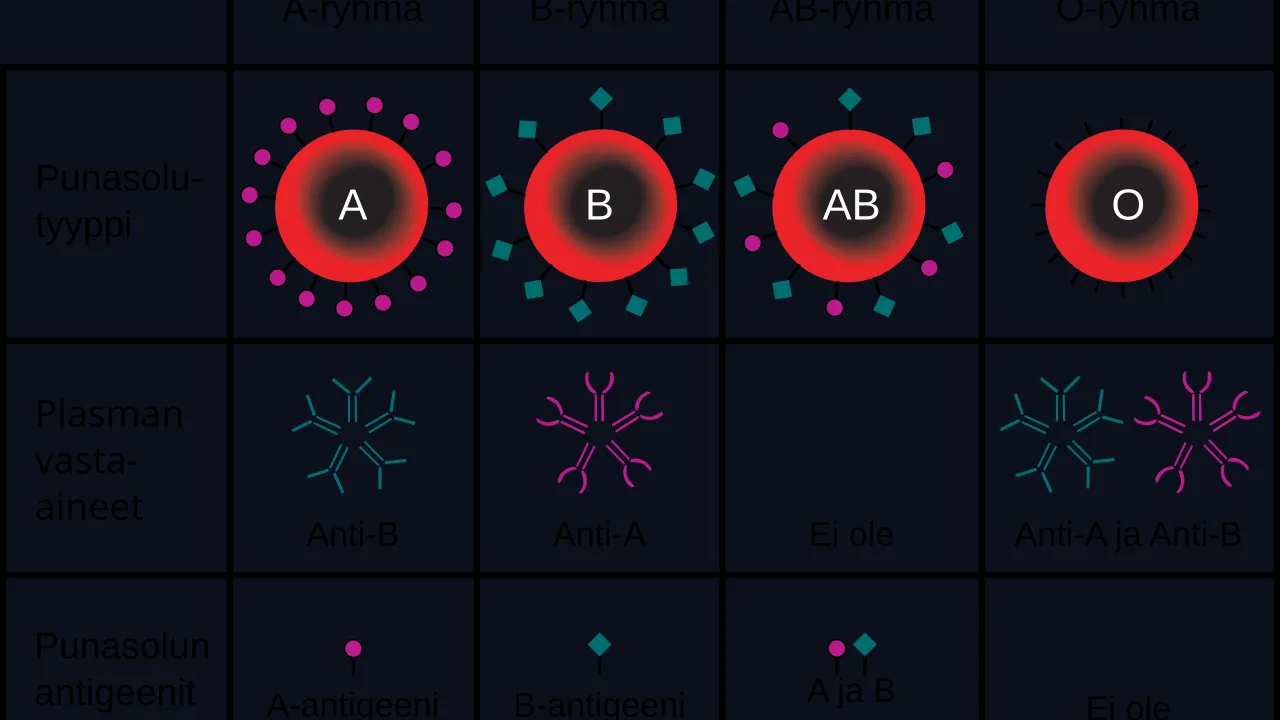
Whole blood spoils quickly without refrigeration and requires strict ABO red-cell matching. In 1940, pioneering African American surgeon and medical researcher Dr. Charles Richard Drew organized the first large-scale blood plasma banks, showing that separated plasma could be freeze-dried, shipped worldwide without spoiling, and reconstituted with sterile water in minutes.
5
Modern Convalescent and Clotting Therapies
Today, donated plasma is fractionated into purified clotting factors for hemophilia patients, albumin for burn recovery, and concentrated immunoglobulins that bolster fragile immune systems.