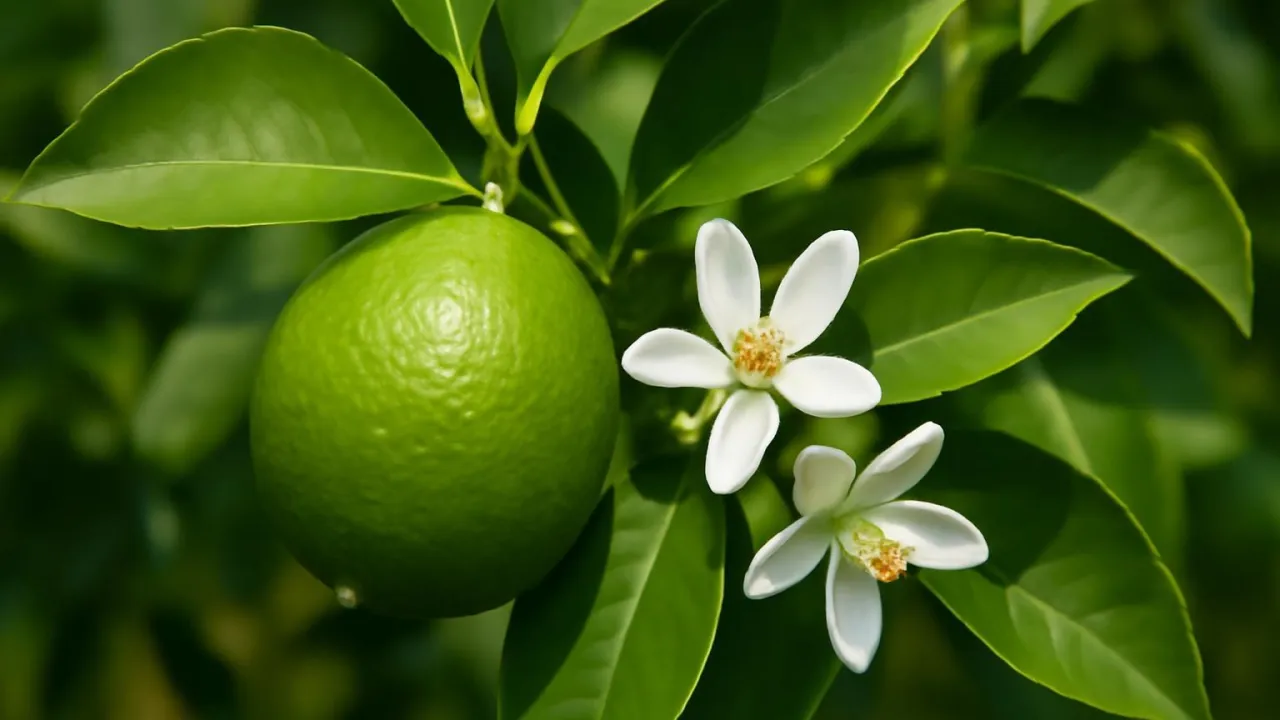
Key limes were named after the Florida Keys where they grow well.
✨ Word Sparks (Grade 2 Glossary)
Tap 🔊 to hear
ripe
Ready to eat and tastes good
sunlight
Light from the sun that helps plants grow
tart
A sharp, sour taste like a lemon
🪝
Have you ever tasted a lime that is tiny but very sour?
1
Small Fruit, Big Flavor
Key limes are smaller than regular limes, but they have a strong sour taste. People use them to add flavor to drinks and desserts. They are bright green when and sometimes turn yellow.
2
Where They Grow
These limes grow best in warm, sunny places like the Florida Keys and parts of Asia. They need plenty of and water to grow healthy and juicy. The trees stay small and have many green leaves.
3
Interesting Features
Key limes have thin skin that is easy to peel. Their juice is very and is used in famous recipes like key lime pie. The trees also bloom small white flowers before the fruit grows.
Key limes have more seeds and a stronger aroma than regular limes.
✨ Word Sparks (Grade 3 Glossary)
Tap 🔊 to hear
photosynthesis
How plants use sunlight to make food
pollinators
Animals like bees that help plants make fruit
aromatic
Having a strong, pleasant smell
🪝
Did you know the tiny key lime has a powerful sour flavor that many love?
1
Tiny Fruit with Big Flavor
Key limes are small citrus fruits that grow on short trees. Their thin skin is green and sometimes yellow when ripe. They have a strong tart flavor that adds zest to many dishes. The juice is often used in drinks and desserts.
2
Growing in Warm Climates
Key lime trees thrive in tropical and subtropical climates like Florida and Southeast Asia. They need full sunlight and regular watering to produce juicy fruits. The trees have many glossy green leaves that help with .
3
Adaptations for Survival
The thin skin of key limes helps them ripen quickly and be easy to peel. Their sour juice protects them from some predators and helps disperse seeds. The small white flowers attract like bees to help with reproduction.
4
A Special Citrus Fruit
Key limes belong to the citrus family and are different from regular limes because they are smaller and more . They play an important role in food culture, especially in desserts like key lime pie. Their unique flavor is prized worldwide.
Key lime trees can produce fruit year-round in warm climates, supporting continuous harvests.
✨ Word Sparks (Grade 4 Glossary)
Tap 🔊 to hear
symbiotic
Two living things helping each other
ecosystem
All plants and animals living together
pollinators
Animals like bees that help plants make fruit
🪝
How does the tiny key lime play a big role in tropical ecosystems and human culture?
1
Ecological Role and Distribution
Key lime trees grow mainly in tropical and subtropical regions such as the Florida Keys, Mexico, and Southeast Asia. Their fruits provide food for many animals, including birds and insects, which help disperse seeds and maintain the balance. The trees also offer shelter for small animals.
2
Growth and Adaptations
These trees thrive in full sun and well-drained soils, requiring regular watering to produce juicy fruits. Their thin-skinned fruits ripen quickly and are easy for animals and humans to peel. The sour juice acts as a natural defense against some pests and attracts , creating a relationship.
3
Human Use and Agricultural Impact
Key limes are widely cultivated for culinary uses, especially in desserts like key lime pie and beverages. Their strong tart flavor enhances many recipes. However, commercial farming can impact local by replacing native plants and affecting soil health if not managed sustainably.
4
Cause and Effect in Nature
Because key limes attract with their fragrant flowers, they ensure fruit production and seed spread. This process supports food webs by providing nutrition to animals. Additionally, their cultivation influences local economies and cultural traditions in tropical regions.
Key limes contain more citric acid than regular limes, making them uniquely tart and flavorful.
✨ Word Sparks (Grade 5 Glossary)
Tap 🔊 to hear
hybrid
A mix of two different plants or animals
photosynthesis
How plants use sunlight to make food
acidity
How sour or sharp a fruit tastes
🪝
What scientific secrets make the tiny key lime a unique citrus fruit with global importance?
1
Taxonomy and Botanical Classification
Key lime, scientifically known as Citrus aurantiifolia, belongs to the Rutaceae family. It is a species believed to have originated from crosses between Citrus micrantha and Citrus medica. This classification helps scientists understand its evolutionary relationships with other citrus fruits. Knowing its taxonomy aids in breeding and conservation efforts.
2
Physiological Mechanics and Growth
Key lime trees typically reach heights of 6 to 13 feet, producing small fruits about 1 to 2 inches in diameter. The fruit’s thin peel contains essential oils that give it a distinctive aroma and protect it from pests. occurs efficiently in the glossy leaves, supporting rapid fruit development in tropical climates with high sunlight.
3
Conservation and Agricultural History
Originally native to Southeast Asia, key limes were introduced to the Florida Keys in the 19th century, where they became economically important. Conservation efforts focus on protecting genetic diversity and sustainable farming to prevent diseases like citrus greening from devastating crops. These efforts help maintain healthy populations and support farmers’ livelihoods.
4
Ecological and Cultural Impact
Key lime trees support food webs by providing nectar to pollinators and fruits to birds and mammals. Their cultivation influences regional economies and cultural dishes, especially in the Caribbean and southern United States. The fruit’s unique flavor has made it a staple in global culinary traditions, contributing to cultural identity and tourism.
5
Quantitative Comparisons and Facts
Key limes have a higher level, around 5 to 6 percent, compared to regular limes at about 4 to 5 percent. They ripen faster, often within 6 to 9 months after flowering, allowing for multiple harvests yearly. The trees thrive in temperatures between 70°F and 90°F and can produce fruit year-round under ideal conditions, making them valuable commercially.