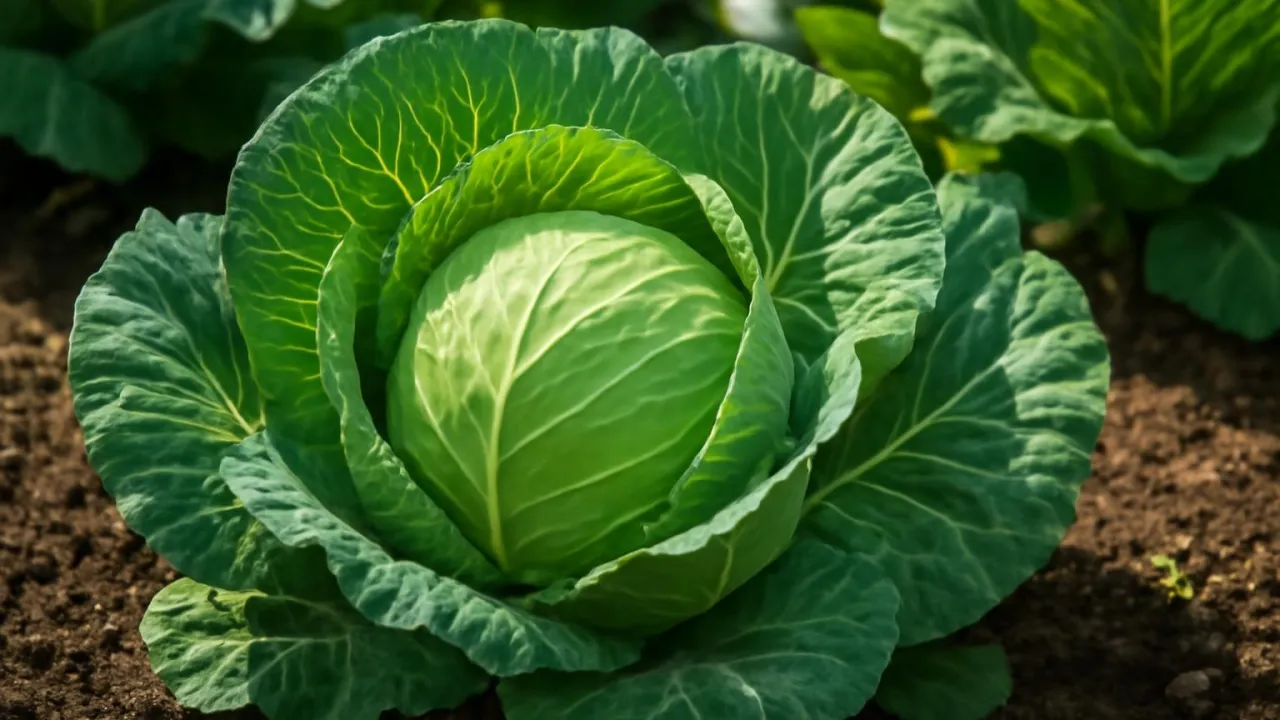
Green cabbage can grow to be as big as a soccer ball!
✨ Word Sparks (Grade 2 Glossary)
Tap 🔊 to hear
sunny
When the sun shines bright outside
firm
Hard and not soft to touch
vitamins
Good things in food that help you grow
🪝
Have you ever seen a green cabbage ball in a sunny garden?
1
Big Round Leaves
Green cabbage has many big leaves that grow in a tight, round ball shape. The leaves feel smooth and cool to touch. They protect the inside leaves from sun and wind.
2
Where It Lives and Grows
Green cabbage grows best in gardens with full sun and plenty of water. It needs cool weather to grow well. Farmers pick the cabbage when it is and heavy.
3
A Healthy Crunchy Food
People eat green cabbage raw or cooked in many dishes. It tastes fresh and crunchy with a mild flavor. Green cabbage gives that help keep your body healthy.
Green cabbage leaves can hold water droplets that help the plant stay hydrated.
✨ Word Sparks (Grade 3 Glossary)
Tap 🔊 to hear
adaptation
A change that helps plants survive better
nutrients
Food parts plants need to grow strong
photosynthesis
How plants use sunlight to make food
🪝
Did you know green cabbage uses its leaves to protect itself like armor?
1
Protective Leaf Layers
Green cabbage leaves grow tightly in layers that protect the inner leaves from insects and weather. This layering is a clever that helps the plant survive. The outer leaves are thicker and tougher than the soft inner leaves. This structure also helps the cabbage keep moisture inside.
2
Where Green Cabbage Grows
Green cabbage grows best in temperate climates where the weather is cool and moist. It thrives in well-watered soil with plenty of sunlight for . Farmers plant cabbage seeds in spring and harvest the heads in late summer or fall. This cycle helps the plant get enough to grow large.
3
A Crunchy, Nutritious Vegetable
Green cabbage is rich in vitamins C and K, which are important for health and healing. People eat it raw in salads or cooked in soups and stews. Its crunchy texture comes from the thick cell walls of the leaves. This vegetable also contains antioxidants that protect the body from damage.
4
Green Cabbage in the Garden
Green cabbage plays an important role in garden food webs by providing food for insects and small animals. Some insects, like caterpillars, eat the leaves, but the cabbage’s tough outer leaves help reduce damage. Gardeners often use companion planting to protect cabbage from pests naturally. This vegetable also helps enrich the soil after harvest.
Green cabbage’s thick leaves help it hold water and survive dry spells.
✨ Word Sparks (Grade 4 Glossary)
Tap 🔊 to hear
ecosystem
A community of plants and animals living together
predator
An animal that hunts other animals for food
companion plant
A plant grown to help another grow better
🪝
Have you ever wondered how green cabbage helps gardens and people stay healthy?
1
How Green Cabbage Protects Itself
Green cabbage’s tightly packed leaves act as a natural shield that protects the plant from insect and harsh weather conditions. This protective layering reduces water loss and prevents damage from wind or heavy rain. The cabbage’s thick outer leaves are an important adaptation that helps it survive in temperate climates. When insects try to eat the leaves, the tough texture discourages many pests.
2
Green Cabbage’s Role in Ecosystems
Green cabbage serves as a key food source for many garden insects and small animals, creating a balanced food web. Some caterpillars and beetles feed on the leaves, while birds and other help keep insect populations under control. Gardeners often plant nearby to attract helpful insects that protect cabbage naturally. After harvesting, cabbage plants enrich the soil by returning nutrients back into the earth.
3
Where Green Cabbage Grows Best
Green cabbage grows best in temperate regions with cool temperatures and moist soil conditions, which support healthy growth and nutrient absorption. It requires full sun exposure and regular watering to develop firm, compact heads. Farmers carefully time planting and harvesting to avoid extreme heat that can cause the cabbage to bolt or become bitter. These growing conditions ensure the best flavor and texture.
4
How People Use Green Cabbage
People eat green cabbage in many ways, including raw in salads, cooked in soups, or fermented as sauerkraut. It is valued for its crunchy texture and mild flavor that blends well with other foods. Green cabbage also provides important vitamins and antioxidants that support human health and immune function. Its versatility in cooking and nutrition makes it a popular vegetable worldwide.
1. What helps green cabbage survive insect attacks?
2. Why do farmers plant green cabbage in cool weather?
🤯 Mind-Blowing Fact • Grade 5
Green cabbage’s waxy leaves act like natural armor, protecting it from drought and pests.
✨ Word Sparks (Grade 5 Glossary)
Tap 🔊 to hear
cultivar
A plant variety bred for special traits
transpiration
How plants lose water through leaves
polyphenols
Natural plant chemicals that protect health
🪝
What makes green cabbage a leafy vegetable superhero in nature and kitchens?
1
Scientific Roots and Family
Green cabbage belongs to the Brassica oleracea species, sharing family ties with broccoli and kale. This vegetable has been cultivated for thousands of years, prized for its dense, leafy heads full of nutrients. It is part of the Brassicaceae family, known for plants rich in vitamins and antioxidants. Understanding its taxonomy helps scientists breed better varieties.
2
How It Grows and Stays Healthy
Green cabbage develops by layering broad, waxy leaves that reduce water loss through . The thick cuticle on leaves protects the plant from pests and environmental stressors. Photosynthesis powers its growth by converting sunlight into energy. Ideal growth happens in cool temperatures between 55 and 75 degrees Fahrenheit, which prevents early flowering.
3
Agriculture and Ecosystem Benefits
Green cabbage supports sustainable farming by serving as food for humans and habitats for beneficial insects. Crop rotation with cabbage improves soil health and reduces pest buildup. Companion plants like dill and chamomile enhance cabbage growth and pest resistance naturally. After harvest, cabbage plant remains add organic matter back to the soil.
4
Nutrition and Culinary Uses
This vegetable is rich in vitamins C and K, fiber, and antioxidants such as that promote immune health. Green cabbage can be eaten raw, steamed, boiled, or fermented into dishes like sauerkraut and kimchi. Its mild flavor and crunchy texture make it popular worldwide. Scientific studies suggest its compounds may reduce inflammation and cancer risk.
5
Size, Growth, and Conservation
Green cabbage heads typically weigh between 1 and 4 pounds and measure 6 to 12 inches in diameter. It grows best in soil temperatures near 60 degrees Fahrenheit and requires about 1 inch of water weekly. Compared to other Brassicas, cabbage matures faster, usually within 70 to 100 days. Conservation efforts focus on preserving heirloom varieties to maintain genetic diversity and disease resistance.