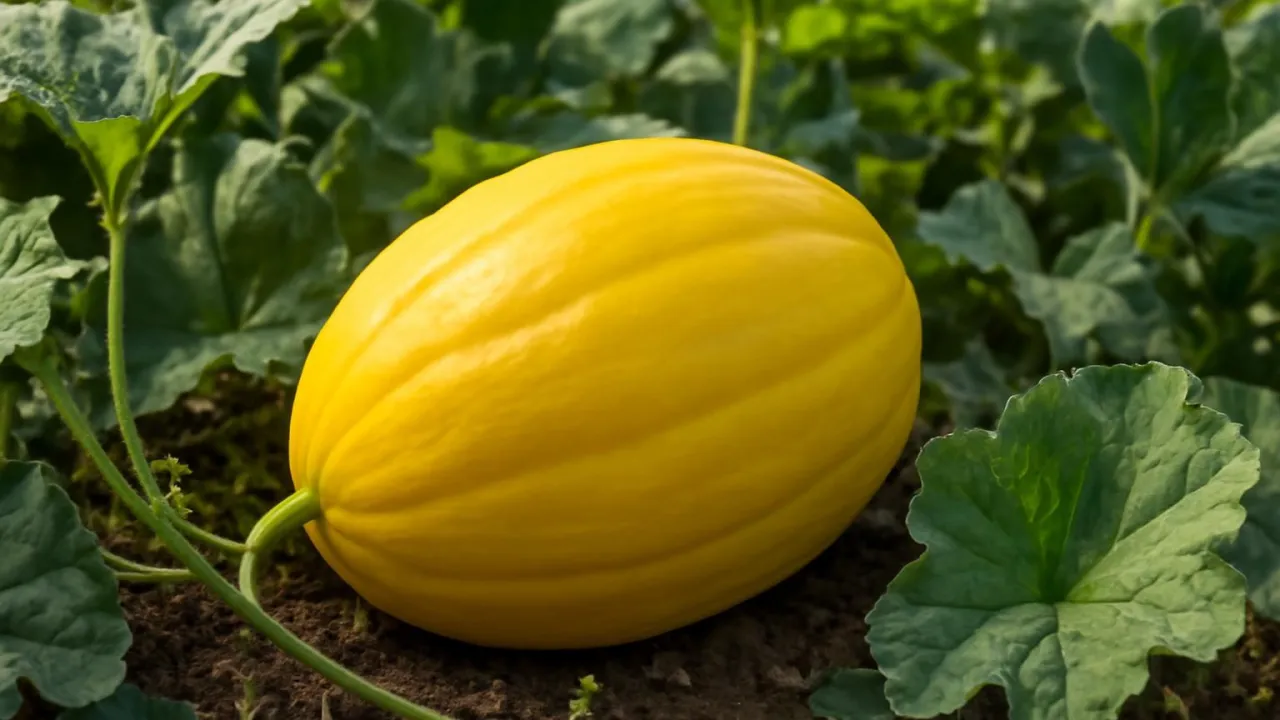
The canary melon’s yellow skin helps it stay cool under hot sun rays.
✨ Word Sparks (Grade 2 Glossary)
Tap 🔊 to hear
skin
The outside part of a fruit or vegetable
juicy
Full of tasty water inside
garden
A place where plants grow
🪝
Did you know a melon can be as bright as a canary bird?
1
Bright Yellow Skin
The canary melon has bright yellow that shines in the sun. It is smooth and round like a ball. People often spot it in warm where it grows best.
2
Sweet and Juicy Inside
Inside the melon, the flesh is pale and very sweet. Many people enjoy eating it fresh because it tastes and delicious. It is a healthy snack full of water and vitamins.
3
Warm Places Help It Grow
Canary melons grow well in warm places with plenty of sun. They need regular watering to stay healthy. Birds and insects help spread their seeds to new places.
Canary melons use their bright skin as a natural sunscreen to protect their juicy flesh.
✨ Word Sparks (Grade 3 Glossary)
Tap 🔊 to hear
adaptation
A change that helps a plant or animal survive
pollinate
When insects help flowers make seeds
nutrients
Food that helps plants and animals grow
🪝
How does the canary melon’s bright skin help it survive the hot sun?
1
Bright Yellow Skin for Protection
The canary melon has bright yellow skin that reflects sunlight to stay cool. This helps protect the fruit from overheating in hot climates. The smooth skin also helps keep moisture inside the melon. This is important for its survival during dry weather.
2
Sweet, Juicy Flesh Inside
Inside, the melon’s pale flesh is full of water and . This juicy flesh attracts animals that eat it and help spread the seeds. The sweetness is a natural reward for animals that help with seed dispersal. This is an important part of the melon’s life cycle.
3
Grows in Warm, Sunny Habitats
Canary melons thrive in warm, sunny habitats like gardens and farms. They need plenty of sunlight and regular watering to grow well. These conditions provide the the plant needs for healthy fruit development. The melon’s growth depends on this balance of sun and water.
4
Role in the Ecosystem
Canary melons provide food for many animals, including birds and insects. These animals help the flowers and spread seeds, creating a symbiotic relationship. The melon plant also supports local farmers and ecosystems. This shows how plants and animals depend on each other to survive.
1. Why does the canary melon have bright yellow skin?
2. How do animals help the canary melon plant?
🤯 Mind-Blowing Fact • Grade 4
Canary melons help support local ecosystems by feeding animals and aiding plant reproduction.
✨ Word Sparks (Grade 4 Glossary)
Tap 🔊 to hear
symbiosis
A helpful relationship between two living things
biodiversity
Many different plants and animals living together
sustainable
Using resources without harming nature
🪝
What makes the canary melon a key player in warm ecosystems around the world?
1
Bright Skin and Cooling Effect
The canary melon’s bright yellow skin reflects sunlight, which helps prevent the fruit from overheating during hot days. This cooling effect is crucial because excessive heat can damage the fruit’s juicy flesh and reduce its quality. The smooth, waxy skin also reduces water loss, helping the melon survive in dry climates.
2
Ecosystem Role and Symbiosis
Canary melons play an important role in their ecosystems by providing food for various animals such as birds, insects, and small mammals. These animals, in turn, help pollinate the melon flowers and disperse seeds, creating a symbiotic relationship. This interaction supports and helps maintain healthy food webs in warm agricultural areas.
3
Agricultural Importance and Human Impact
Farmers cultivate canary melons in warm regions worldwide because of their sweet flavor and nutritional value. However, climate change and water shortages can threaten melon crops by altering growing conditions. farming practices are being developed to protect these melons and ensure they continue to thrive for future generations.
4
Geographic Distribution
Originally native to the Canary Islands, canary melons are now grown in many warm regions including parts of the United States, Mediterranean countries, and Asia. Their ability to adapt to different warm climates makes them a popular fruit worldwide. This wide distribution helps meet global demand for fresh, sweet melons.
2. Why is sustainable farming important for canary melons?
🤯 Mind-Blowing Fact • Grade 5
The canary melon’s thick yellow skin not only protects it but also reflects sunlight to reduce heat stress.
✨ Word Sparks (Grade 5 Glossary)
Tap 🔊 to hear
physiological
How living things work inside their bodies
pest
An animal or insect that harms plants
seed disperser
An animal that spreads seeds to new places
🪝
How does the canary melon’s biology and ecology make it a fascinating fruit worldwide?
1
Scientific Classification and Origin
The canary melon belongs to the species Cucumis melo var. inodorus, a member of the Cucurbitaceae family. It is believed to have originated in the Canary Islands, where its bright yellow skin earned its name. This melon variety is closely related to honeydew and other muskmelons but is distinguished by its vibrant color and thick rind.
2
Physiological Adaptations for Survival
The thick, waxy yellow skin of the canary melon acts as a natural barrier against intense sunlight and dehydration. This adaptation helps maintain internal moisture and protects the sweet, juicy flesh inside. Additionally, the melon’s ability to store water in its flesh allows it to thrive in warm, semi-arid climates with limited rainfall.
3
Conservation and Agricultural History
Historically, canary melons have been cultivated for centuries due to their sweet flavor and nutritional benefits. Modern agricultural practices focus on sustainable water use and management to conserve melon crops. Efforts to breed disease-resistant varieties also help maintain healthy populations and reduce chemical pesticide use.
4
Quantitative Comparisons and Growth
Canary melons typically measure 6 to 7 inches in length and weigh approximately 3 pounds, making them larger than many other melon varieties. They require full sun exposure and about 1 to 2 inches of water weekly during the growing season. The fruit’s sugar content ranges from 10 to 12 percent, contributing to its sweet taste.
5
Ecological Role and Global Distribution
Beyond their agricultural value, canary melons contribute to ecosystems by providing food for pollinators and , including bees and birds. Their cultivation spans warm regions worldwide, such as the Mediterranean, parts of the United States, and Asia. This wide distribution supports global fruit markets and promotes biodiversity in agricultural landscapes.