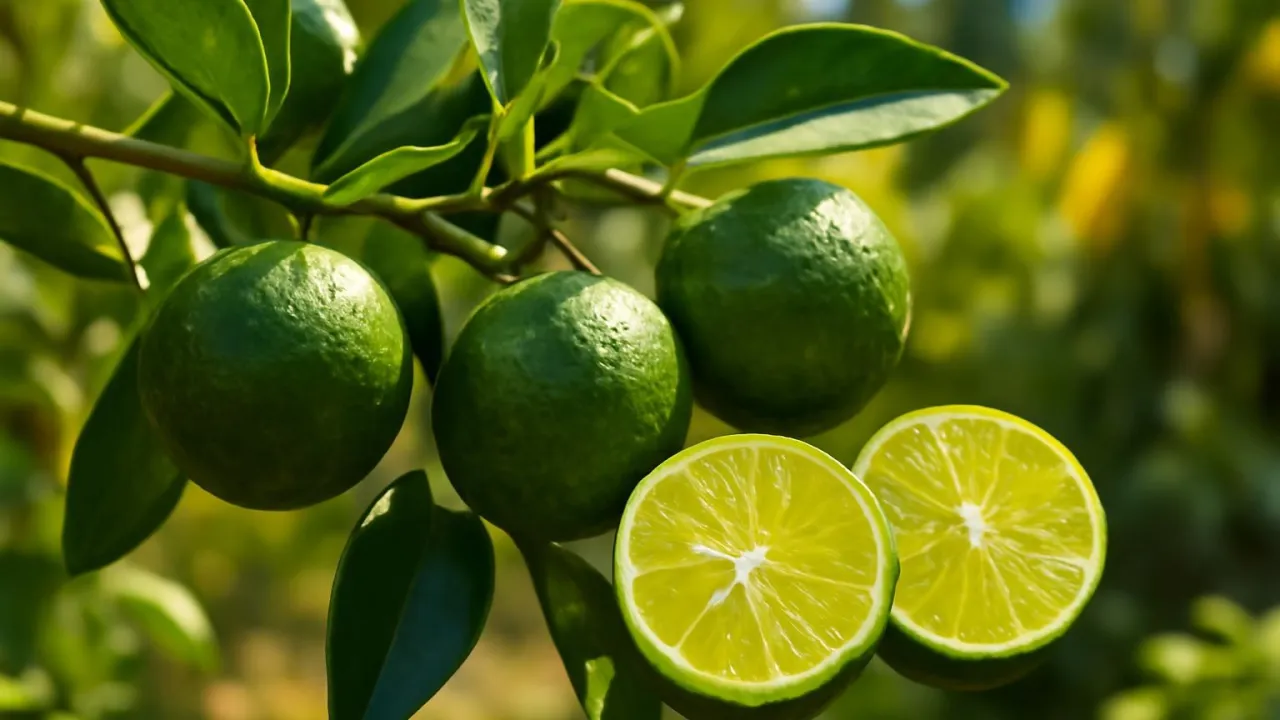
Calamansi trees can grow hundreds of tiny fruits every year!
✨ Word Sparks (Grade 2 Glossary)
Tap 🔊 to hear
citrus
Fruits like lemons and oranges
ripen
When fruit gets ready to eat
flavor
How something tastes
🪝
Did you know some fruits are tiny but pack a big punch of sour flavor?
1
A Tiny Citrus Surprise
Calamansi fruits are about the size of a marble, and they are green outside. When you cut them open, the inside is yellow and very juicy. Calamansi trees grow in warm, sunny places like the Philippines. People love to pick them fresh from the tree.
2
Sour and Useful
Calamansi juice is very sour, even more than lemons! People squeeze the juice onto food to add , or mix it into drinks to make them taste fresh. Some families use calamansi to make sweet and sour candies. It is a special fruit in many Filipino homes.
3
How Calamansi Grows
Calamansi trees need lots of sun and water to grow well. The trees have small white flowers that turn into green fruits. As the fruit , it gets softer and juicier. When calamansi is ready, it is picked by hand from the tree.
Calamansi juice is so sour it can help remove sticky grease from your hands!
✨ Word Sparks (Grade 3 Glossary)
Tap 🔊 to hear
adaptation
A special feature that helps it survive
pollination
When flowers get help making seeds
acid
A sour part found in some fruits
🪝
What fruit can make your lips pucker and your food extra tasty?
1
A Burst of Sour Power
Bite into a calamansi and you’ll get a blast of mouth-puckering sourness! This tiny green fruit is famous in the Philippines for its big, bold taste. When you squeeze it, the yellow juice inside adds a tangy kick to almost anything. People love to use calamansi in their food and drinks for a fresh, zesty flavor.
2
How Calamansi Protects Itself
The strong sour taste of calamansi comes from a natural inside the fruit. This acid is an that helps keep animals from eating the fruit before its seeds are ready. When the fruit is ripe, birds and people enjoy eating it and help spread its seeds. The sourness also keeps some pests away from the tree.
3
Growing Up in the Tropics
Calamansi trees grow best in warm, sunny, and rainy places like Southeast Asia. The trees bloom with small white flowers, which turn into green fruits after . Each fruit has several seeds that can grow into new trees. Birds, people, and even insects help move the seeds to new spots.
4
Fruit, Flavor, and Fun
Even though calamansi is a fruit, people sometimes use it like a vegetable in cooking. Botanically, it is a citrus fruit because it grows from flowers and has seeds inside. Its juice is used in sauces, marinades, and even desserts. Calamansi is a favorite in Filipino kitchens and is now enjoyed in many countries.
2. Who helps calamansi seeds travel to new places?
🤯 Mind-Blowing Fact • Grade 4
Calamansi juice can be used as a natural cleaner for kitchen surfaces and hands!
✨ Word Sparks (Grade 4 Glossary)
Tap 🔊 to hear
nutrients
Good things in food that help us grow
ecosystem
A place where plants and animals live together
marinade
A sauce that flavors food before cooking
🪝
What if a fruit could flavor your food, clean your hands, and help plants grow—all at once?
1
Calamansi: The Tiny Citrus Dynamo
Calamansi, also known as Citrus microcarpa, is a small citrus fruit native to Southeast Asia, particularly the Philippines. Its thin green skin hides a juicy yellow pulp that delivers a powerful burst of sour flavor. The fruit is only about one inch wide, but it is packed with vitamin C and other . Calamansi’s strong flavor and nutritional value make it a staple in many Filipino households.
2
Life Cycle and Adaptations
Calamansi trees thrive in tropical climates with plenty of sunlight and well-drained soil. After pollination, the trees produce fragrant white flowers that develop into green fruits. The sour juice is an adaptation that discourages animals from eating the fruit before the seeds are mature. Once ripe, birds and people help spread the seeds, allowing new trees to grow in different areas.
3
Calamansi’s Role in the Ecosystem
Calamansi trees provide food for birds, insects, and people, making them important in their . The flowers attract pollinators like bees, which help other plants in the area reproduce. Calamansi fruits also add to the soil when they fall and decompose. In some places, farmers plant calamansi as a natural fence or windbreak to protect other crops.
4
From Kitchen to Community
Calamansi is used in countless ways, from flavoring dishes and drinks to cleaning and even healing minor cuts. Its juice is a popular ingredient in Filipino cuisine, giving a tangy kick to sauces, , and desserts. The fruit’s high vitamin C content helps boost health, and its acid can break down grease. Calamansi farming supports many families in Southeast Asia, making it important both culturally and economically.
1. How does calamansi help other plants in its ecosystem?
2. Why is calamansi juice an adaptation?
🤯 Mind-Blowing Fact • Grade 5
Calamansi juice is so acidic that it can be used to power a simple battery in science experiments!
✨ Word Sparks (Grade 5 Glossary)
Tap 🔊 to hear
hesperidium
A berry fruit with a tough, leathery skin
citric acid
A sour substance found in citrus fruits
integrated pest management
Using many safe ways to control pests
🪝
How can a fruit the size of a marble shape cuisines, ecosystems, and even local economies?
1
Scientific Identity and Origins
Calamansi, scientifically known as Citrus microcarpa, belongs to the Rutaceae family and is closely related to kumquats and mandarins. It is native to Southeast Asia, with the Philippines being its primary center of cultivation and cultural significance. The calamansi tree is a small, evergreen shrub that grows up to 10 feet (3 meters) tall, thriving in tropical and subtropical climates. Its fruits are typically less than 1 inch (2.5 cm) in diameter, making them one of the smallest citrus species cultivated for food. The plant’s resilience and adaptability have enabled it to spread throughout Malaysia, Indonesia, and parts of southern China.
2
Physiology and Growth Cycle
Calamansi trees require full sun exposure and well-drained, slightly acidic soil to produce healthy fruit. The trees flower year-round, producing fragrant white blossoms that are pollinated by insects, especially bees. After successful pollination, each flower develops into a green fruit that matures to a yellow-orange hue if left on the branch. The fruit’s thin skin is easily pierced, releasing a highly acidic juice with a pH as low as 2.4, which is even more sour than lemons or limes. Each fruit contains 8–12 seeds, and the plant’s rapid growth cycle allows for multiple harvests annually in optimal conditions.
3
Ecological and Culinary Roles
Calamansi plays a vital role in its ecosystem by supporting pollinators and providing food for birds and insects. The acidic juice serves as a natural defense mechanism, deterring premature consumption by animals and protecting the seeds until they are mature. In Filipino cuisine, calamansi is used in everything from marinades and dipping sauces to desserts and refreshing drinks, contributing a distinctive tangy flavor. The fruit is also used as a natural cleaning agent due to its content, which effectively breaks down grease and neutralizes odors. Its versatility makes it a staple in both rural and urban Filipino households.
4
Conservation, Cultivation, and Economic Impact
Although calamansi is not currently endangered, its cultivation faces challenges from plant diseases, pests, and climate change. Farmers use and crop rotation to maintain healthy orchards and ensure sustainable yields. In the Philippines alone, over 20,000 hectares are dedicated to calamansi farming, producing more than 150,000 metric tons annually. This industry provides income for thousands of families and supports local economies through domestic sales and exports. Conservation efforts focus on developing disease-resistant varieties and promoting organic farming practices to protect both the environment and future harvests.
5
Fun Scientific Comparisons
Calamansi’s juice contains nearly 30 milligrams of vitamin C per fruit, rivaling larger oranges ounce for ounce. Its pH of around 2.4 makes it almost as acidic as vinegar, which explains its powerful sourness. While a typical lemon weighs about 3.5 ounces (100 grams), a single calamansi weighs only about 0.3 ounces (8 grams), yet delivers a flavor punch many times its size. The fruit’s unique balance of acidity and sweetness has inspired chefs worldwide to experiment with it in both sweet and savory dishes. Botanically, calamansi is classified as a , a type of berry with a leathery rind, just like oranges and lemons.