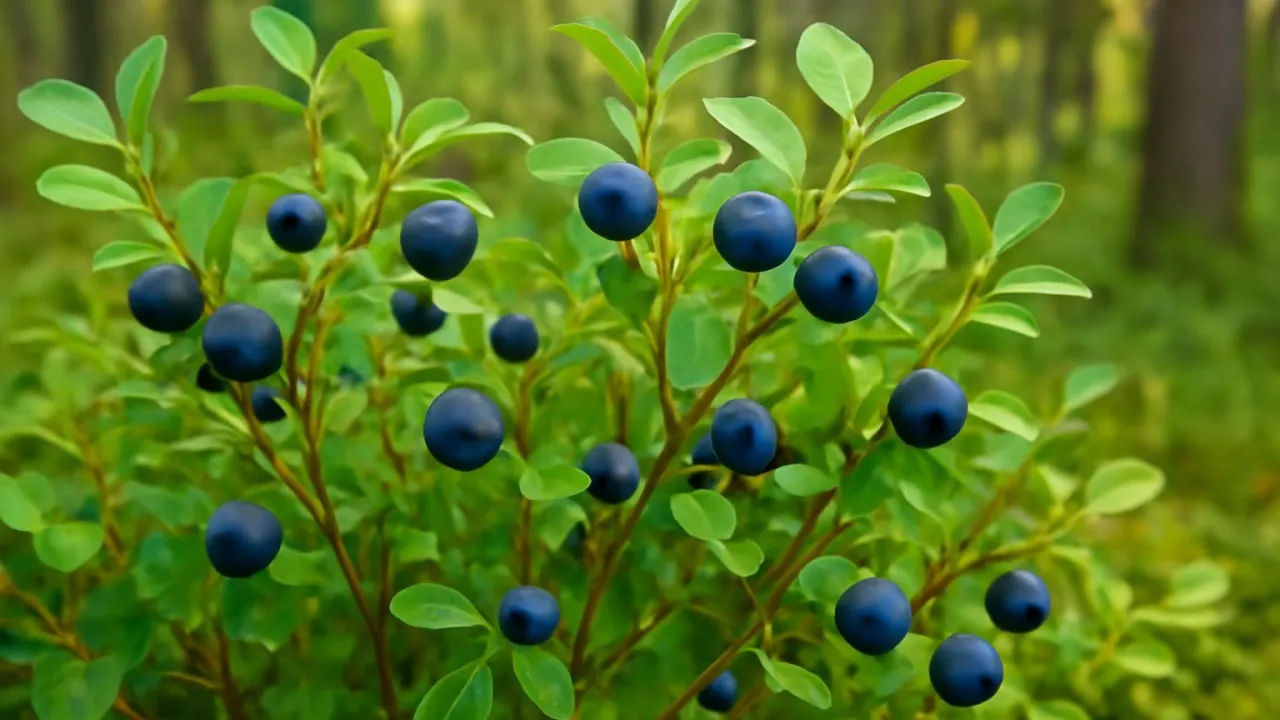
Bilberries have more antioxidants than many other fruits!
✨ Word Sparks (Grade 2 Glossary)
Tap 🔊 to hear
shady
A place with little sunlight
moist
A little wet or damp
vitamin
A tiny nutrient that helps your body
🪝
Have you ever seen tiny blue berries growing on a forest bush?
1
What Are Bilberries?
Bilberries are small blue fruits that grow on low bushes in forests. They look like blueberries but are smaller and darker. These berries have a sweet and slightly sour taste that many animals and people enjoy.
2
Where Do They Grow?
Bilberries grow in cool, forests with soft, soil that is slightly acidic. They need filtered sunlight to thrive and prefer environments where the air is fresh and cool. These conditions help the plants produce healthy berries each year.
3
Why Are They Special?
Bilberries are full of and antioxidants that help protect the body from damage. People use bilberries in jams, pies, and medicines because of their health benefits. Animals like birds and deer also eat these berries, helping spread the seeds.
Bilberries’ dark skin is packed with antioxidants that help protect your body’s cells!
✨ Word Sparks (Grade 3 Glossary)
Tap 🔊 to hear
camouflage
Colors that help hide from animals
pollination
When bees help flowers make seeds
antioxidant
A healthy thing that protects your body
🪝
Did you know bilberries use their dark color to hide from hungry animals?
1
Bilberry Basics
Bilberries are small, dark blue fruits that grow on low shrubs in forests. They belong to the heath family and are closely related to blueberries. Their dark color helps them blend into the forest floor, which is an example of . This camouflage helps protect the berries from predators like birds and insects.
2
Where Bilberries Grow
Bilberries thrive in cool, temperate forests with acidic, moist soil. They grow best in shady areas where sunlight is filtered through tall trees. These conditions provide the nutrients and water bilberries need to grow strong and healthy. Their roots spread shallowly to absorb nutrients from the forest floor.
3
How Bilberries Help the Forest
Bilberries are an important food source for many forest animals, including birds and small mammals. They also help pollinators like bees by providing nectar during their flowering stage. This helps bilberries produce fruit and supports the forest ecosystem. The berries also disperse seeds when animals eat them, helping new plants grow.
4
Special Features of Bilberries
Bilberries contain that protect cells from damage caused by sunlight and pollution. Their small size and dark skin make them rich in these nutrients. People collect bilberries for food and medicine because of their health benefits. These special features make bilberries valuable both to nature and humans.
1. Why does the bilberry’s dark color help it survive?
2. How do bilberries help pollinators like bees?
🤯 Mind-Blowing Fact • Grade 4
Bilberries help spread seeds through animals, making them vital for forest growth!
✨ Word Sparks (Grade 4 Glossary)
Tap 🔊 to hear
ecosystem
A community of plants and animals living together
symbiotic
When two living things help each other
habitat
The natural home of a plant or animal
🪝
Have you ever wondered how tiny bilberries play a big role in forest life?
1
Bilberry’s Forest Home
Bilberries grow mainly in temperate forests across Europe and parts of North America, thriving in cool, moist conditions. These shrubs prefer acidic soils often found under pine and spruce trees, where filtered sunlight reaches them. The bilberry’s adaptation to shady environments allows it to survive where many other plants cannot. This choice influences the entire forest by supporting various wildlife.
2
Bilberries in the Food Web
Bilberries serve as a crucial food source for many animals, including birds, deer, and small mammals, which rely on their nutritious fruits. By feeding on bilberries, these animals help disperse the seeds through their droppings, aiding plant reproduction. This seed dispersal creates a relationship that benefits both the bilberries and the animals. Additionally, bilberry flowers attract pollinators, supporting biodiversity in the forest.
3
Human Uses and Impact
Humans have harvested bilberries for centuries for their delicious taste and medicinal properties, especially in northern Europe. Overharvesting or loss can threaten local bilberry populations, which affects forest health and animal diets. Sustainable picking practices help maintain bilberry growth and protect forest . Agricultural interest in bilberries has also increased due to their antioxidant benefits.
4
Geographic Spread and Adaptations
Bilberries are mostly found in cooler climates, adapting to survive cold winters and short growing seasons. Their shallow root systems allow them to absorb nutrients quickly in acidic soils. These adaptations enable bilberries to colonize forest floors where competition for sunlight is fierce. Their ability to grow in diverse temperate regions highlights their ecological importance.
1. How do animals help bilberries grow in new places?
2. What happens if too many bilberries are picked by people?
🤯 Mind-Blowing Fact • Grade 5
Bilberries contain up to four times more antioxidants than cultivated blueberries!
✨ Word Sparks (Grade 5 Glossary)
Tap 🔊 to hear
anthocyanin
A pigment giving berries their dark blue color
endozoochory
Seed spread by animals eating and passing seeds
deciduous
Plants that lose leaves in autumn
🪝
Did you know bilberries are a key species in temperate forest ecosystems with unique adaptations?
1
Scientific Classification and Description
Bilberries belong to the genus Vaccinium and species myrtillus, part of the Ericaceae family, which includes blueberries and cranberries. These shrubs typically grow between 0.3 to 0.6 meters tall and produce small, dark blue to almost black berries. Unlike cultivated blueberries, bilberries grow singly or in pairs rather than clusters. Their leaves are ovate with finely serrated edges, adapted to temperate forest environments.
2
Physiological Adaptations and Growth
Bilberries have shallow, fibrous root systems that efficiently absorb nutrients in acidic, nutrient-poor soils common in coniferous forests. Their dark pigmentation contains high levels of , which protect the fruit from ultraviolet radiation and oxidative stress. Bilberries flower in late spring, relying on insect pollinators such as bees for fertilization, which ensures genetic diversity. The plants enter dormancy during cold winters, conserving energy until the next growing season.
3
Ecological Role and Seed Dispersal
Bilberries play a vital role in forest food webs by providing essential nutrients to birds, mammals, and insects. Animals that consume bilberries aid seed dispersal through , where seeds pass through digestive tracts unharmed and germinate in new locations. This mutualistic relationship enhances forest regeneration and biodiversity. Additionally, bilberry flowers support pollinator populations, contributing to broader ecosystem health.
4
Conservation and Human Interaction
Although bilberries are widespread, habitat destruction and overharvesting pose threats to some local populations. Conservation efforts emphasize sustainable harvesting and habitat preservation to maintain ecological balance. Historically, bilberries have been used in traditional medicine for their antioxidant and anti-inflammatory properties. Increased scientific interest in their phytochemicals has led to studies on potential health benefits and commercial cultivation.
5
Quantitative Comparisons and Environmental Conditions
Bilberry shrubs typically grow 1 to 2 feet tall (0.3 to 0.6 meters) and produce berries about 0.4 to 0.8 centimeters in diameter. They thrive in acidic soils with pH levels between 3.5 and 5.5 and prefer temperatures ranging from 10 to 20 degrees Celsius during the growing season. concentrations in bilberries can be up to four times higher than those found in cultivated blueberries, making them exceptionally rich in antioxidants. These quantitative traits highlight their unique ecological and nutritional importance.