⚡ Everyday Impact SparkRecreating balanced ocean and river ecosystems so sea creatures thrive and heal
🤯 Mind-Blowing Fact • Grade 1
Aquarists often train giant sea turtles to swim right up to a colored target paddle for voluntary health checkups!
✨ Word Sparks (Grade 1 Glossary)
Tap 🔊 to hear
habitat
Natural home with everything an animal needs
tongs
Long grabber tool used to hold food
reef
Underwater ridge built by tiny coral animals
🪝
Who puts on diving flippers to feed sharks, sea turtles, and seahorses?
1
Splash Into Work!
Bubble, bubble! Behind a giant glass window, a diver waves to smiling kids. Colorful fish swirl all around. That underwater animal keeper is an aquarist!
2
Breakfast Under the Waves
Every morning, aquarists chop shrimp, squid, and crisp greens in a fish kitchen. Shy octopuses get snacks from . Stingrays glide over for gentle checkups.
3
Sparkling Clean Water
Fish breathe through water just like we breathe air! Aquarists test salt and temperature every day so every tank stays cozy and clean.
1. Why must an aquarist check tank water salt and temperature every single day?
2. What foods might an aquarist prepare in the aquarium kitchen?
🤯 Mind-Blowing Fact • Grade 2
Moon jellyfish have no brains or hearts, and aquarists build special round tanks with gentle circular currents so delicate jellies never bump into corners!
✨ Word Sparks (Grade 2 Glossary)
Tap 🔊 to hear
filter
Device that cleans dirt out of water
enrichment
Fun puzzles and toys keeping animals active
current
Steady flow of moving water
🪝
How do aquarists keep playful octopuses busy and thousands of gallons of seawater crystal clear?
1
Water Scientists First
Before feeding a single clownfish, an aquarist often starts the day as a water chemist! Behind the scenes, huge pipes, sand , and bubbling skimmers clean millions of gallons of water around the clock so animals feel right at home.
2
Puzzles for Smart Creatures
Caring for ocean wildlife means caring for their minds too. Because octopuses are super curious, aquarists hide tasty crabs inside twist-top jars or Lego boxes, giving eight-armed thinkers fun puzzles to solve!
3
Rescuing Ocean Neighbors
Many dedicated aquarists also nurse cold-stunned sea turtles, orphaned river otters, and injured coastal animals back to full strength until they are ready to swim free in the wild ocean again.
1. Why do aquarists hide snacks inside twist-top jars for an octopus?
2. Why do jellyfish tanks have round walls and gentle circular currents?
🤯 Mind-Blowing Fact • Grade 3
Tiny newborn seahorses raised in aquarium nurseries are smaller than an eyelash and eat thousands of microscopic brine shrimp hatched daily by aquarists!
✨ Word Sparks (Grade 3 Glossary)
Tap 🔊 to hear
acrylic
Super-strong clear plastic holding giant tanks
ammonia
Harmful fish waste removed by helpful bacteria
husbandry
Daily scientific care and feeding of animals
🪝
Why do sharks peacefully swim past smaller reef fish inside a well-managed public aquarium?
1
Targeted Feeding Underwater
Gliding calmly across a 500,000-gallon coral reef exhibit in SCUBA gear, one aquarist taps two metal rods underwater—clink, clink! Immediately, sand tiger sharks swim smoothly to a feeding station on the left while diver teammates hand-feed spotted eagle rays on the right. Because every predator receives scheduled, nutritious meals with daily vitamins tucked inside, sharks rarely chase smaller tankmates!
2
Invisible Helpers in the Filter
Behind thick clear viewing panels sits a busy pump room packed with life-support machinery. Billions of beneficial bacteria living inside biological sand filters gobble up invisible fish waste called , turning it into safer compounds so the crystal-clear water stays healthy for delicate gills.
3
Growing Baby Corals
Living corals may look like colorful painted rocks, yet they are actually tiny colonial animals! Specialized coral aquarists balance bright reef lighting, gentle wave pumps, and dissolved calcium minerals to grow coral fragments that help restore damaged wild reefs.
4
Inspiring Ocean Stewards
Whether caring for Virginia's Chesapeake Bay blue crabs, lined seahorses, or playful sea otters, aquarists help millions of young visitors fall in love with protecting Earth's rivers and oceans.
1. Why do sharks in public aquariums usually leave smaller tankmates alone?
2. How do helpful bacteria inside bio-filters protect aquarium fish?
🤯 Mind-Blowing Fact • Grade 4
By programming LED tank lights to match exact seasonal sunrise, sunset, water temperature, and full-moon brightness from the Caribbean, aquarists tricked indoor corals into spawning on cue for the first time!
✨ Word Sparks (Grade 4 Glossary)
Tap 🔊 to hear
salinity
Amount of dissolved salt in water
quarantine
Temporary separate care to prevent spreading illness
spawning
Releasing eggs into water to reproduce
🪝
How do aquarists replicate everything from icy Pacific kelp forests to tropical coral lagoons under a single roof?
1
Tailoring Every Drop of Water
Walk ten steps inside a major science institution—such as the Virginia Aquarium & Marine Science Center in Virginia Beach or California's Monterey Bay Aquarium—and you cross entire ocean climate zones! Chilled 52°F wave surges rock giant Pacific kelp blades in one tall gallery, while sunlit 78°F reef currents shimmer right next door. Aquarists carefully engineer , pH, dissolved oxygen, trace minerals, and LED light wavelengths to match each species' native waters.
2
Quarantine and Preventive Vet Care
Whenever a rescued loggerhead sea turtle or a new school of surgeonfish arrives, aquarists welcome them into a quiet behind-the-scenes habitat for several weeks. Working side by side with aquatic veterinarians, they check for microscopic parasites, take gentle underwater ultrasound scans, and use positive-reinforcement target training so animals voluntarily rest on submerged scales for weigh-ins.
3
Life-Support Engineering
Modern aquarists must understand mechanical plumbing and fluid physics right alongside marine biology. Towering protein skimmers whip millions of tiny air micro-bubbles through seawater to lift organic waste out like natural ocean seafoam, while ultraviolet light chambers neutralize waterborne germs without ever stinging sensitive fish gills or coral tentacles.
4
Living Arks for Threatened Coral Reefs
When warming seas and stony-coral tissue disease threatened Florida's wild reefs, aquarists across the country built emergency living gene banks—coaxing rescued corals to spawn indoors on cue by mimicking exact Caribbean sunrise, sunset, and full-moonlight cycles!
1. How did aquarists convince rescued corals to spawn inside indoor laboratories?
2. Why do newly arrived animals spend weeks in a quarantine habitat first?
🤯 Mind-Blowing Fact • Grade 5
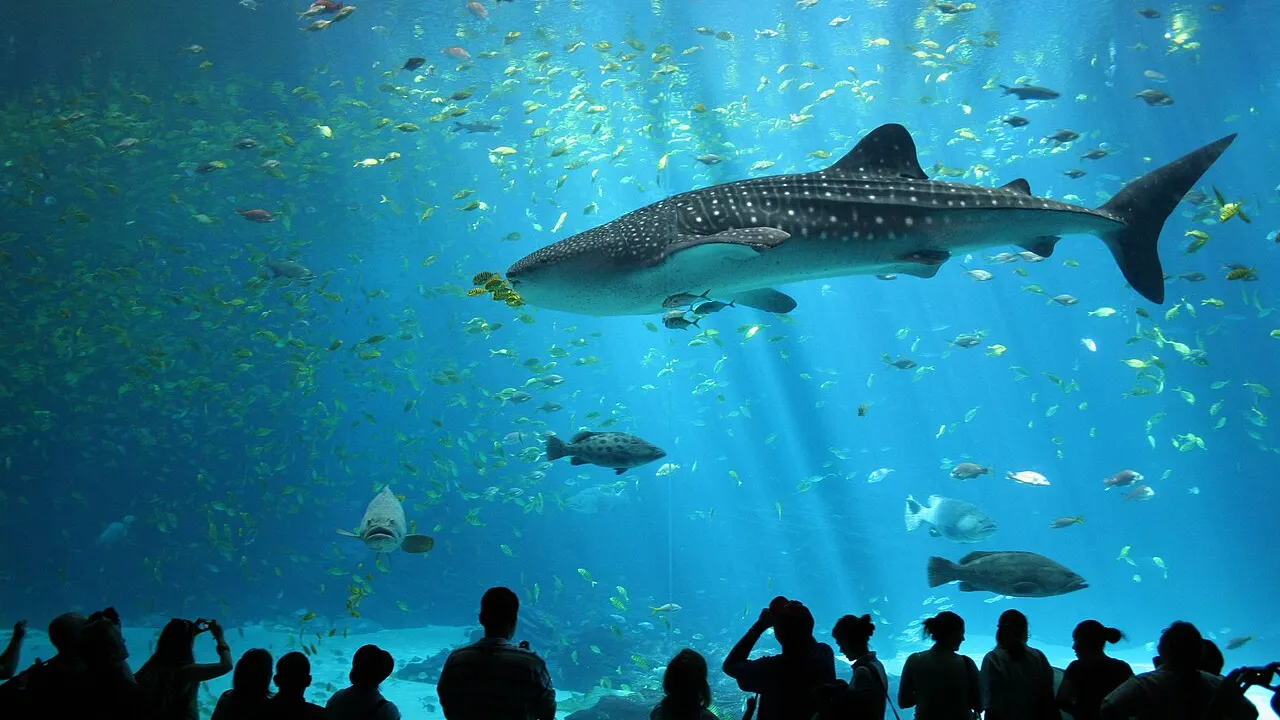
The Georgia Aquarium's Ocean Voyager habitat holds 6.3 million gallons of artificial seawater circulated through protein skimmers and sand filters in under an hour, peered into through a two-foot-thick acrylic window!
✨ Word Sparks (Grade 5 Glossary)
Tap 🔊 to hear
pelagic
Living in open ocean away from shore
planktonic
Tiny drifting ocean organisms or baby larvae
alkalinity
Water's ability to keep pH steady
🪝
What scientific breakthroughs happen when marine biologists, chemists, and life-support engineers unite in an aquarist's role?
1
Dawn Behind the Acrylic Wall
At 6:30 a.m., long before museum ticket booths open, a senior aquarist climbs onto the steel catwalk above a million-gallon ocean exhibit. Checking digital telemetry boards and hand-held refractometers, she verifies that salinity holds steady at 35 parts per thousand, pH sits balanced at 8.2, dissolved oxygen nears saturation, and oxidation-reduction potential confirms sparkling clarity for scalloped hammerheads, green sea turtles, and pelagic rays cruising peacefully below.
2
Mastering the Nitrogen and Carbonate Cycles
Unlike open oceans refreshed by planetary currents, closed recirculating aquarium systems accumulate metabolic fish waste rapidly. Aquarists cultivate dense colonies of Nitrosomonas and Nitrobacter bacteria inside fluidized sand bio-towers to oxidize toxic dissolved ammonia into nitrite and far safer nitrate. In stony-coral reef galleries, specialists also dose precise calcium, magnesium, trace strontium, and carbonate so microscopic coral polyps can crystallize sturdy aragonite skeletons.
3
Operant Conditioning Beneath the Surface
Chasing or netting a 300-pound sand tiger shark causes dangerous physiological stress for both animal and diver. Instead, modern zoological aquarists apply operant conditioning: pairing distinct underwater acoustic clicks or high-contrast geometric target paddles with herring rewards. Within months, sharks glide calmly into floating vinyl stretchers for voluntary blood draws, and giant Pacific octopuses gently touch textured targets while keepers inspect every arm and siphon.
4
Conservation Breeding and Larval Rearing
Across Association of Zoos and Aquariums (AZA) institutions, aquarists collaborate on Species Survival Plans for endangered freshwater mussels, lined seahorses, zebra sharks, and Caribbean elkhorn corals. Raising microscopic fish and invertebrate larvae demands round-the-clock live cultures of green microalgae, rotifers, and copepods—dramatically reducing collection pressure on wild coral reefs while rearing genetically diverse offspring for coastal habitat restoration.
5
Preparing for an Aquatic Science Career
Prospective aquarists typically earn bachelor's degrees in marine biology, zoology, environmental science, or aquaculture, log dozens of open-water and scientific SCUBA dives, and complete hands-on husbandry internships mastering centrifugal pump hydraulics, water-quality chemistry, seafood nutrition, and compassionate wildlife care.