Introduction
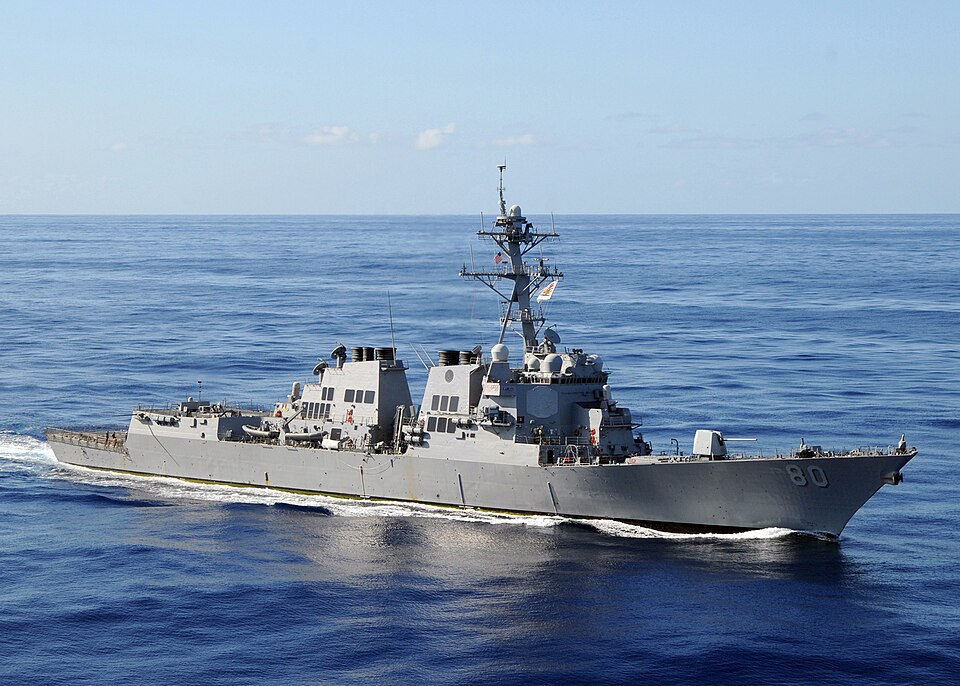
Guided-missile destroyers form the backbone of the U.S. Navy surface fleet, led by the workhorse Arleigh Burke-class (DDG-51) and the technologically pioneering Zumwalt-class (DDG-1000).
A foundational concept in this investigation is (pronounced EE-jis KOM-bat SIS-tum), which refers to: An advanced computer and phased-array radar network named after the mythological shield that tracks hundreds of air and sea targets simultaneously. Every part of Guided-Missile Destroyers: Arleigh Burke (DDG-51) & Zumwalt (DDG-1000) within 🚢 U.S. Navy Surface Fleet, Submarines ("The Silent Service") & Hospital Ships builds upon this essential concept.
At the Grade 4 level of United States Armed Forces (🚢 U.S. Navy Surface Fleet, Submarines ("The Silent Service") & Hospital Ships), researchers compare structure, function, and environmental context to see how , , and shape measurable outcomes.
Key Features
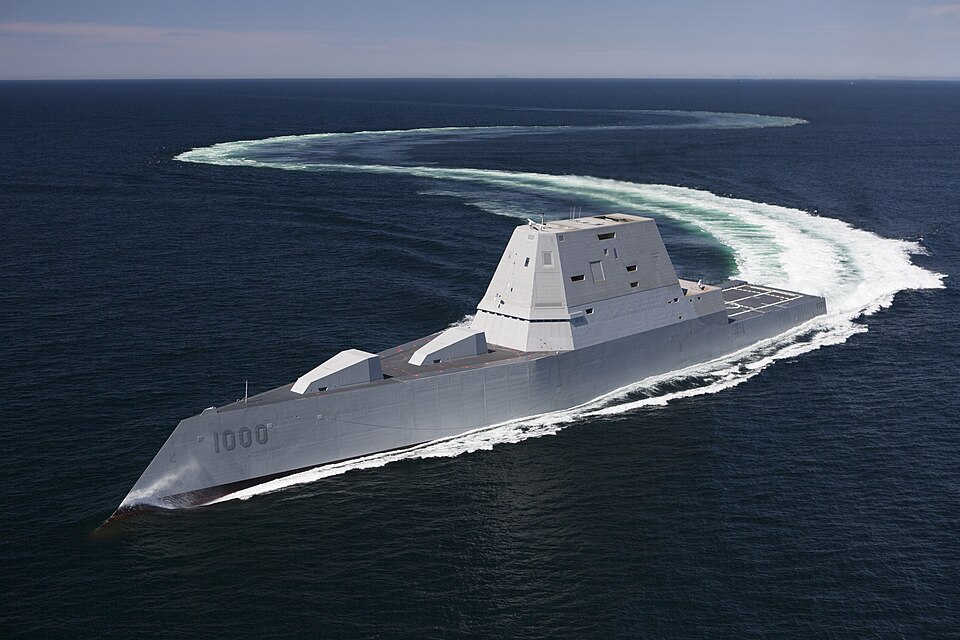
Constructed of high-strength steel with angled superstructures to reduce radar cross-section, Arleigh Burke-class destroyers measure 505 to 509.5 feet long and integrate the . Meanwhile, the 610-foot USS Zumwalt (DDG-1000) features a wave-piercing "tumblehome" hull and composite deckhouse that makes a 15,000-ton warship appear as small as a fishing boat on radar!
To analyze these defining traits accurately, specialists examine (TUM-bul-hohm hul): A ship hull design (used on USS Zumwalt) whose sides slope inward above the waterline to pierce waves and deflect radar waves. Alongside (An advanced computer and phased-array radar network named after the mythological shield that tracks hundreds of air and sea targets simultaneously.), these specialized characteristics set Guided-Missile Destroyers: Arleigh Burke (DDG-51) & Zumwalt (DDG-1000) apart within 🚢 U.S. Navy Surface Fleet, Submarines ("The Silent Service") & Hospital Ships.
Field Observation & Evidence: Researchers studying Guided-Missile Destroyers: Arleigh Burke (DDG-51) & Zumwalt (DDG-1000) observe how physical form matches function in United States Armed Forces. Each observable feature provides a clear advantage that supports stability, survival, or performance across changing conditions.
How It Works
Propulsion aboard DDG-51 destroyers is provided by four General Electric LM2500 marine gas turbines generating 100,000 shaft horsepower, while DDG-1000 utilizes an Integrated Power System (IPS) producing 78 megawatts of electricity—enough to power a small city.
This step-by-step process relies on (pronounced gas TUR-byn), defined as: A high-power rotary jet engine adapted for ships that spins propellers to reach 30+ knots rapidly. Each stage of the process prepares the way for the next phase to unfold.
Cause-and-Effect Balance: When conditions remain balanced, and interact inside the to keep the system running smoothly. If any single link in this sequence is disrupted, the entire pace of activity shifts.
In Our World
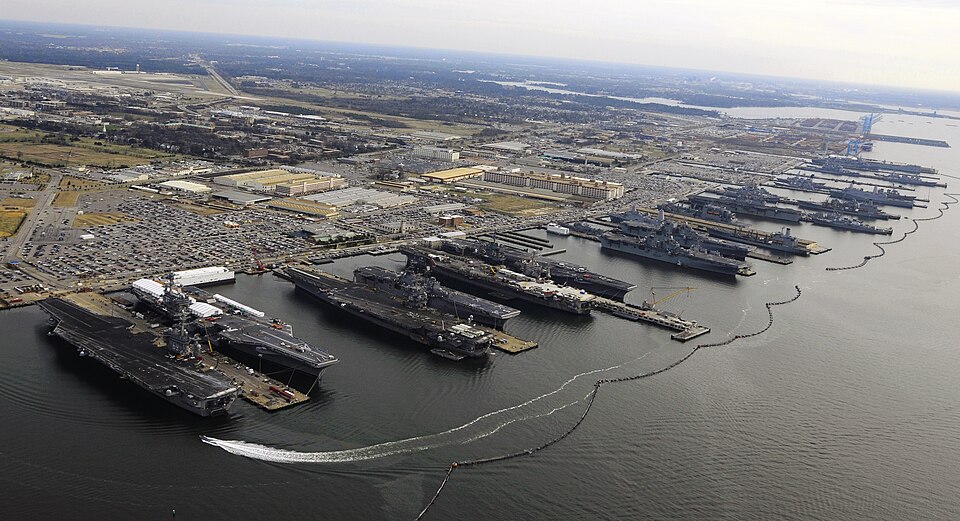
Over 30 Arleigh Burke-class destroyers are homeported at Naval Station Norfolk, Virginia, where the lead ship USS Arleigh Burke (DDG-51) was commissioned on Independence Day 1991 in the presence of WWII hero Admiral Arleigh "31-Knot" Burke.
Understanding how Guided-Missile Destroyers: Arleigh Burke (DDG-51) & Zumwalt (DDG-1000) functions in real environments also involves (TUM-bul-hohm hul): A ship hull design (used on USS Zumwalt) whose sides slope inward above the waterline to pierce waves and deflect radar waves. Even when surrounding conditions shift across seasons or regions, the interaction between , Tumblehome Hull, and helps sustain balance and resilience in the wider environment.
Global & Practical Significance: Arleigh Burke (DDG-51) & Zumwalt (DDG-1000) Destroyers operates as Arleigh Burke-Class & Zumwalt-Class Guided-Missile Destroyers supporting Multi-Mission Fleet Escort, Radar Defense & Search-and-Rescue. Furthermore, Key technical specification: 30+ Knots • Aegis Phased-Array Radar • Stealth Hull (DDG-1000).
Amazing Facts
1. Remarkable Scale & Numbers: Admiral Arleigh Burke earned the nickname "31-Knot Burke" in World War II for pushing his destroyer squadron to top speed to help fellow sailors! This discovery highlights why is central to understanding Guided-Missile Destroyers: Arleigh Burke (DDG-51) & Zumwalt (DDG-1000).
2. Extraordinary Adaptation & Design: Despite being 610 feet long, USS Zumwalt (DDG-1000) has such an angled stealth shape that its radar reflection is 50 times smaller than a standard destroyer. Specialized conditions involving make these adaptations possible.
3. Surprising Scientific & Historical Record: A destroyer's four marine gas-turbine engines are closely related to the jet engines used on wide-body airplanes! Over time, processes linked to leave a lasting mark across 🚢 U.S. Navy Surface Fleet, Submarines ("The Silent Service") & Hospital Ships.
Read & Review
Chapter Synthesis: Throughout this investigation of Guided-Missile Destroyers: Arleigh Burke (DDG-51) & Zumwalt (DDG-1000) in United States Armed Forces (🚢 U.S. Navy Surface Fleet, Submarines ("The Silent Service") & Hospital Ships), we examined its core foundations, defining traits, step-by-step mechanisms, and real-world connections using key terms like , , and .
Academic Vocabulary Review: • (EE-jis KOM-bat SIS-tum): An advanced computer and phased-array radar network named after the mythological shield that tracks hundreds of air and sea targets simultaneously. • (TUM-bul-hohm hul): A ship hull design (used on USS Zumwalt) whose sides slope inward above the waterline to pierce waves and deflect radar waves. • (gas TUR-byn): A high-power rotary jet engine adapted for ships that spins propellers to reach 30+ knots rapidly.
Critical Thinking Check: (1) What is the primary classification and role of Arleigh Burke (DDG-51) & Zumwalt (DDG-1000) Destroyers? — Arleigh Burke-Class & Zumwalt-Class Guided-Missile Destroyers — Multi-Mission Fleet Escort, Radar Defense & Search-and-Rescue. (2) Which key engineering or performance specification defines Arleigh Burke (DDG-51) & Zumwalt (DDG-1000) Destroyers? — 30+ Knots • Aegis Phased-Array Radar • Stealth Hull (DDG-1000).