Introduction
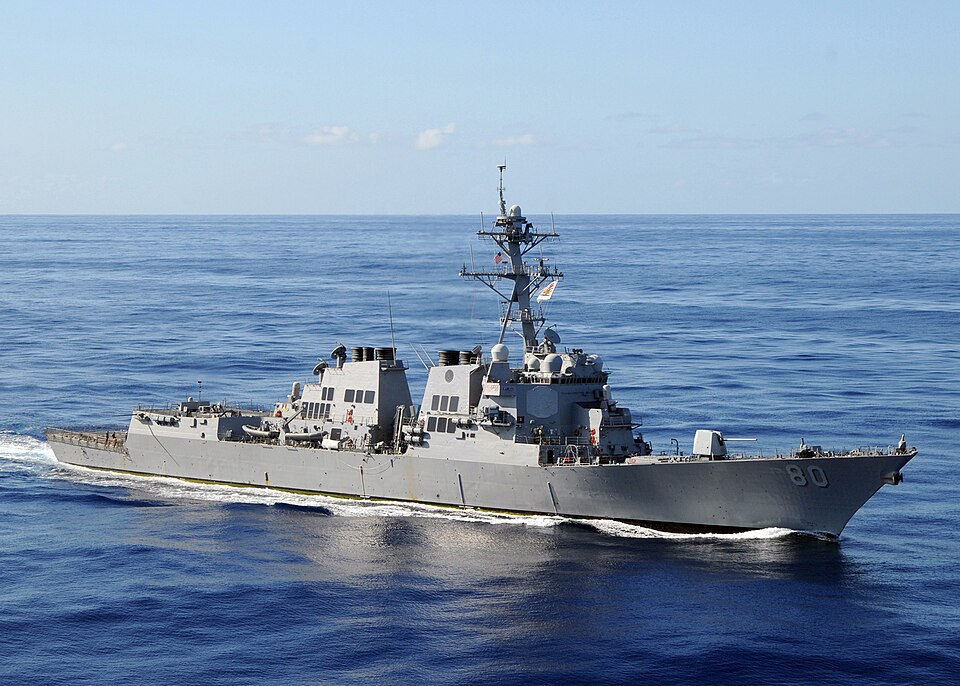
Guided-missile destroyers like USS Arleigh Burke (DDG-51) and USS Zumwalt (DDG-1000) are fast, agile "greyhounds of the sea" that escort aircraft carriers and protect the fleet!
An important word to know in this book is (EE-jis KOM-bat SIS-tum). Aegis Combat System means: An advanced computer and phased-array radar network named after the mythological shield that tracks hundreds of air and sea targets simultaneously. Learning about Aegis Combat System helps us understand how Guided-Missile Destroyers: Arleigh Burke (DDG-51) & Zumwalt (DDG-1000) fits into 🚢 U.S. Navy Surface Fleet, Submarines ("The Silent Service") & Hospital Ships.
Key Features
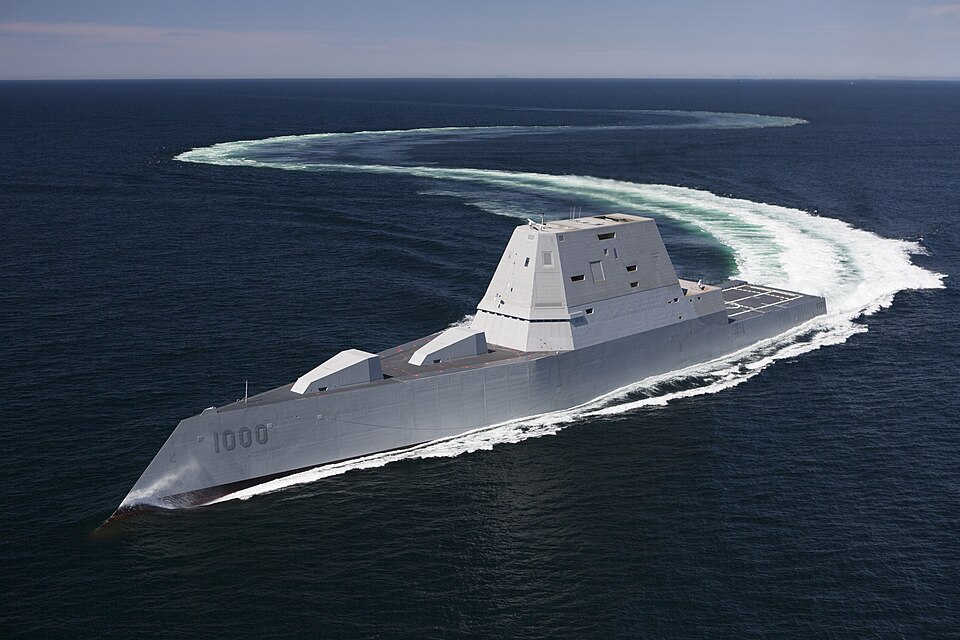
Arleigh Burke destroyers carry flat, octagon-shaped SPY-1/SPY-6 radar panels on their deckhouse that look in every direction at once without spinning! USS Zumwalt has a sleek, inward-sloping stealth hull.
Scientists and explorers also look closely at (TUM-bul-hohm hul), which means: A ship hull design (used on USS Zumwalt) whose sides slope inward above the waterline to pierce waves and deflect radar waves. These special traits make Guided-Missile Destroyers: Arleigh Burke (DDG-51) & Zumwalt (DDG-1000) easy to spot and study.
How It Works
Four powerful gas-turbine jet engines spin the destroyer's propellers so it can sprint from a standstill to over 30 knots (35 mph) in seconds and carry two Seahawk helicopters on the back deck.
Here is another helpful term: (gas TUR-byn). It means: A high-power rotary jet engine adapted for ships that spins propellers to reach 30+ knots rapidly. Step by step, and Gas Turbine work together.
In Our World
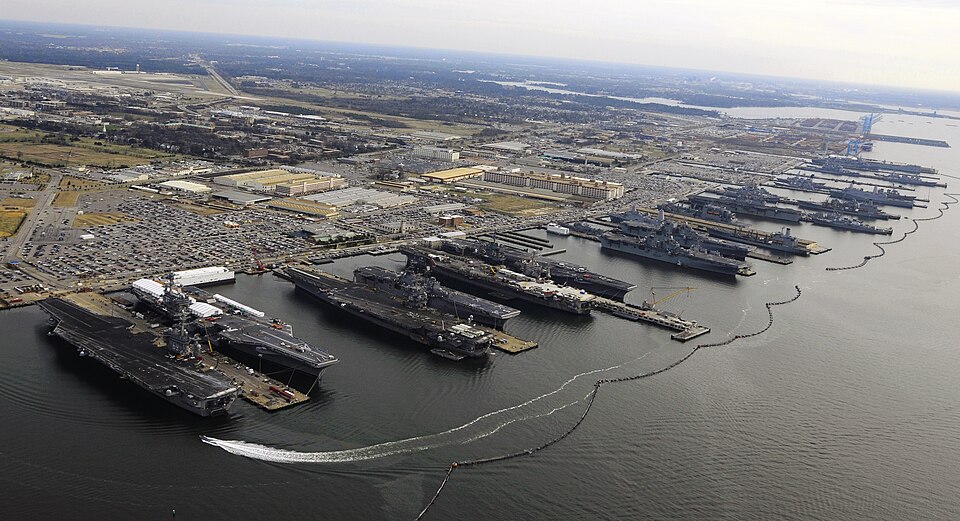
The lead ship USS Arleigh Burke (DDG-51) was commissioned right on the downtown waterfront in Norfolk, Virginia, on July 4, 1991, with Admiral Arleigh "31-Knot" Burke attending in person!
Understanding how Guided-Missile Destroyers: Arleigh Burke (DDG-51) & Zumwalt (DDG-1000) works in our world also involves (TUM-bul-hohm hul): A ship hull design (used on USS Zumwalt) whose sides slope inward above the waterline to pierce waves and deflect radar waves. Even when surrounding conditions shift across seasons or regions, the interaction between , Tumblehome Hull, and helps sustain balance and resilience in the wider environment.
Amazing Facts
Amazing Fact #1: Admiral Arleigh Burke earned the nickname "31-Knot Burke" in World War II for pushing his destroyer squadron to top speed to help fellow sailors!
Amazing Fact #2: Despite being 610 feet long, USS Zumwalt (DDG-1000) has such an angled stealth shape that its radar reflection is 50 times smaller than a standard destroyer.
Amazing Fact #3: A destroyer's four marine gas-turbine engines are closely related to the jet engines used on wide-body airplanes!
Read & Review
Let's review what we discovered about Guided-Missile Destroyers: Arleigh Burke (DDG-51) & Zumwalt (DDG-1000)! In this book, we explored how , , and connect to 🚢 U.S. Navy Surface Fleet, Submarines ("The Silent Service") & Hospital Ships.
Key Question #1: What is the primary classification and role of Arleigh Burke (DDG-51) & Zumwalt (DDG-1000) Destroyers? Answer: Arleigh Burke-Class & Zumwalt-Class Guided-Missile Destroyers — Multi-Mission Fleet Escort, Radar Defense & Search-and-Rescue. Arleigh Burke (DDG-51) & Zumwalt (DDG-1000) Destroyers operates as Arleigh Burke-Class & Zumwalt-Class Guided-Missile Destroyers supporting Multi-Mission Fleet Escort, Radar Defense & Search-and-Rescue.
Key Question #2: Which key engineering or performance specification defines Arleigh Burke (DDG-51) & Zumwalt (DDG-1000) Destroyers? Answer: 30+ Knots • Aegis Phased-Array Radar • Stealth Hull (DDG-1000). Key technical specification: 30+ Knots • Aegis Phased-Array Radar • Stealth Hull (DDG-1000).