Introduction
Across all six branches of the U.S. Armed Forces, military uniforms serve two distinct purposes: rugged, climate-engineered Operational/Working Uniforms designed for field safety and utility, and historic Ceremonial/Dress Uniforms that preserve centuries of national heritage.
A foundational concept in this investigation is (pronounced in-SIG-nee-uh), which refers to: Official badges, chevrons, stripes, or pins worn on a uniform to show a service member's branch, rank, and qualifications. Every part of Service Members in Uniform: Operational, Dress & Honor Guard Guide within 🎖️ Service Members in Uniform & Hearts of Service Humanitarian Missions builds upon this essential concept.
At the Grade 4 level of United States Armed Forces (🎖️ Service Members in Uniform & Hearts of Service Humanitarian Missions), researchers compare structure, function, and environmental context to see how , , and shape measurable outcomes.
Key Features
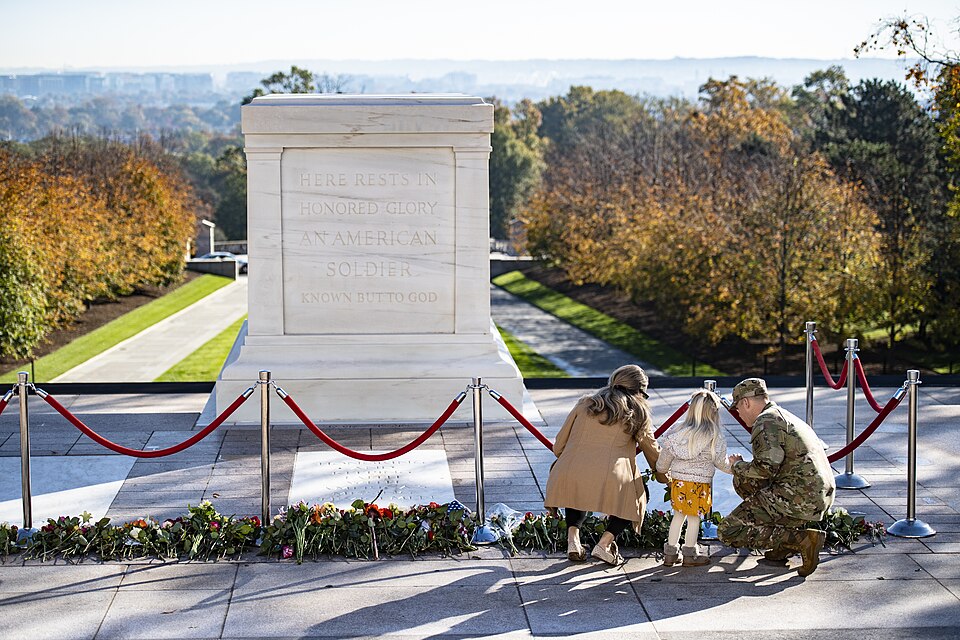
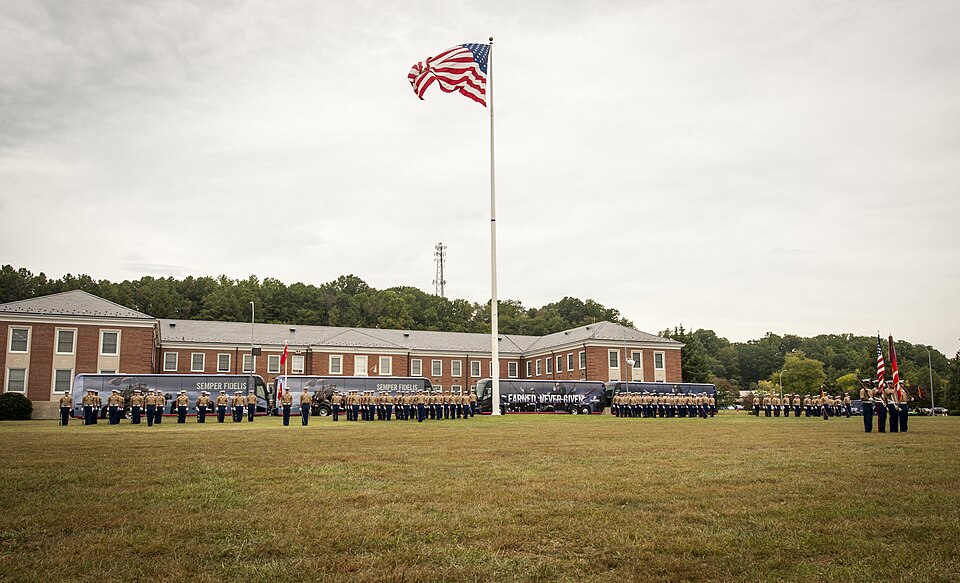
In the U.S. Army, Soldiers wear the Operational Camouflage Pattern (OCP) in the field, the heritage WWII-inspired Army Green Service Uniform (AGSU), and the Army Blue Uniform worn by Sentinels at the Tomb of the Unknown Soldier in Arlington, Virginia. U.S. Marines wear pixelated Marine Pattern (MARPAT) utilities with the eight-pointed utility cover and the iconic Blue Dress uniform featuring a high standing collar and scarlet trouser "blood stripe" worn by NCOs and officers.
To analyze these defining traits accurately, specialists examine (KRAK-er-jaks): The affectionate nickname for the U.S. Navy's traditional enlisted Service Dress Blue and White jumper uniforms with wide collars. Alongside (Official badges, chevrons, stripes, or pins worn on a uniform to show a service member's branch, rank, and qualifications.), these specialized characteristics set Service Members in Uniform: Operational, Dress & Honor Guard Guide apart within 🎖️ Service Members in Uniform & Hearts of Service Humanitarian Missions.
Field Observation & Evidence: Researchers studying Service Members in Uniform: Operational, Dress & Honor Guard Guide observe how physical form matches function in United States Armed Forces. Each observable feature provides a clear advantage that supports stability, survival, or performance across changing conditions.
How It Works
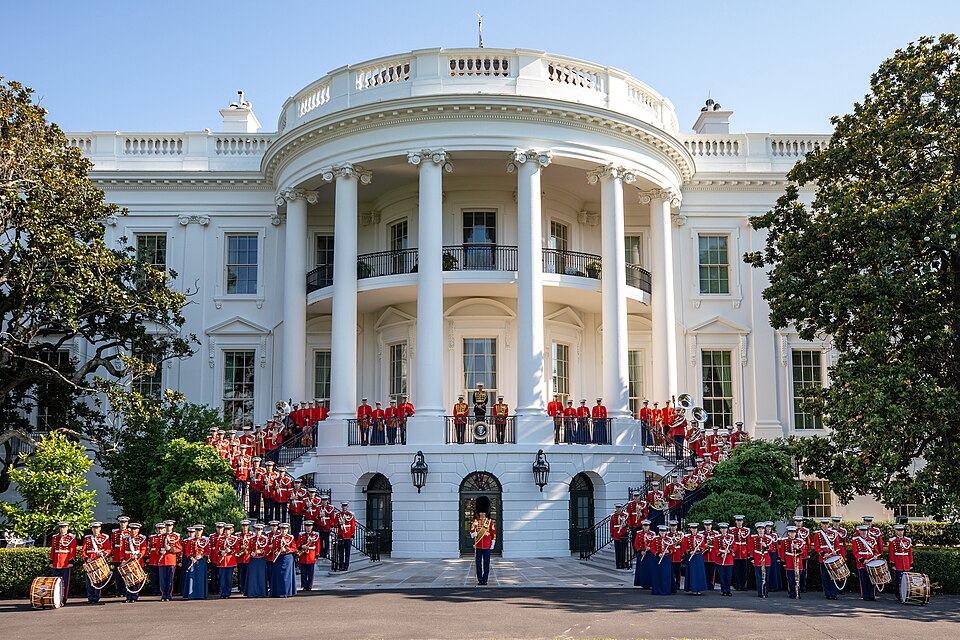
U.S. Navy Sailors wear the Navy Working Uniform (NWU), Service Khakis, and the famous enlisted Service Dress Whites and Blues (""), whose broad jumper collar is trimmed with three white stripes and two stars. U.S. Air Force Airmen and U.S. Space Force Guardians wear OCP utilities, flame-resistant Nomex flight suits, and distinctive Air Force Blue or Space Force midnight-blue service dress with hexagonal Guardian buttons. U.S. Coast Guardsmen wear the deep-blue Operational Dress Uniform (ODU) and high-visibility orange Immersion/Dry Suits for cold-water Aviation Survival Technician (Rescue Swimmer) hoists.
This step-by-step process relies on (pronounced MAR-pat and oh-see-pee), defined as: Marine Pattern (MARPAT) and Operational Camouflage Pattern (OCP)—durable utility uniforms worn for daily training and field work. Each stage of the process prepares the way for the next phase to unfold.
Cause-and-Effect Balance: When conditions remain balanced, and interact inside the to keep the system running smoothly. If any single link in this sequence is disrupted, the entire pace of activity shifts.
In Our World
Every chevron stripe (enlisted rank), oak leaf, eagle, or star (officer rank), and qualification badge (such as Pilot Wings, Submarine Dolphins, or the Arlington Tomb Guard Identification Badge) communicates a service member's training, responsibility, and unit heritage.
Understanding how Service Members in Uniform: Operational, Dress & Honor Guard Guide functions in real environments also involves (KRAK-er-jaks): The affectionate nickname for the U.S. Navy's traditional enlisted Service Dress Blue and White jumper uniforms with wide collars. Even when surrounding conditions shift across seasons or regions, the interaction between , Crackerjacks, and helps sustain balance and resilience in the wider environment.
Global & Practical Significance: Service Members in Uniform (All 6 Branches Visual Guide) highlights Operational, Ceremonial & Honor Guard Uniforms Across All 6 Branches (Tradition, Rank , Safety Protection & Esprit de Corps). Furthermore, Key highlight: OCP & MARPAT Utility • Marine Dress Blues • Navy • USCG Rescue Gear.
Amazing Facts
1. Remarkable Scale & Numbers: Why do traditional enlisted U.S. Navy "Crackerjack" trousers have 13 buttons across the front flap? Sailors honor the original 13 American Colonies! This discovery highlights why is central to understanding Service Members in Uniform: Operational, Dress & Honor Guard Guide.
2. Extraordinary Adaptation & Design: The Marine Corps Blue Dress coat's high standing collar traces back to the leather "stock" neckband worn by Continental Marines in 1775! Specialized conditions involving make these adaptations possible.
3. Surprising Scientific & Historical Record: The Tomb of the Unknown Soldier Identification Badge worn at Arlington, Virginia, is one of the rarest badges in the U.S. military—fewer than 750 have been earned since 1958! Over time, processes linked to leave a lasting mark across 🎖️ Service Members in Uniform & Hearts of Service Humanitarian Missions.
Read & Review
Chapter Synthesis: Throughout this investigation of Service Members in Uniform: Operational, Dress & Honor Guard Guide in United States Armed Forces (🎖️ Service Members in Uniform & Hearts of Service Humanitarian Missions), we examined its core foundations, defining traits, step-by-step mechanisms, and real-world connections using key terms like , , and .
Academic Vocabulary Review: • (in-SIG-nee-uh): Official badges, chevrons, stripes, or pins worn on a uniform to show a service member's branch, rank, and qualifications. • (KRAK-er-jaks): The affectionate nickname for the U.S. Navy's traditional enlisted Service Dress Blue and White jumper uniforms with wide collars. • (MAR-pat and oh-see-pee): Marine Pattern (MARPAT) and Operational Camouflage Pattern (OCP)—durable utility uniforms worn for daily training and field work.
Critical Thinking Check: (1) What is the central focus of Service Members in Uniform (All 6 Branches Visual Guide)? — Operational, Ceremonial & Honor Guard Uniforms Across All 6 Branches — Tradition, Rank , Safety Protection & Esprit de Corps. (2) Which key detail or operational highlight belongs to Service Members in Uniform (All 6 Branches Visual Guide)? — OCP & MARPAT Utility • Marine Dress Blues • Navy • USCG Rescue Gear.