Introduction
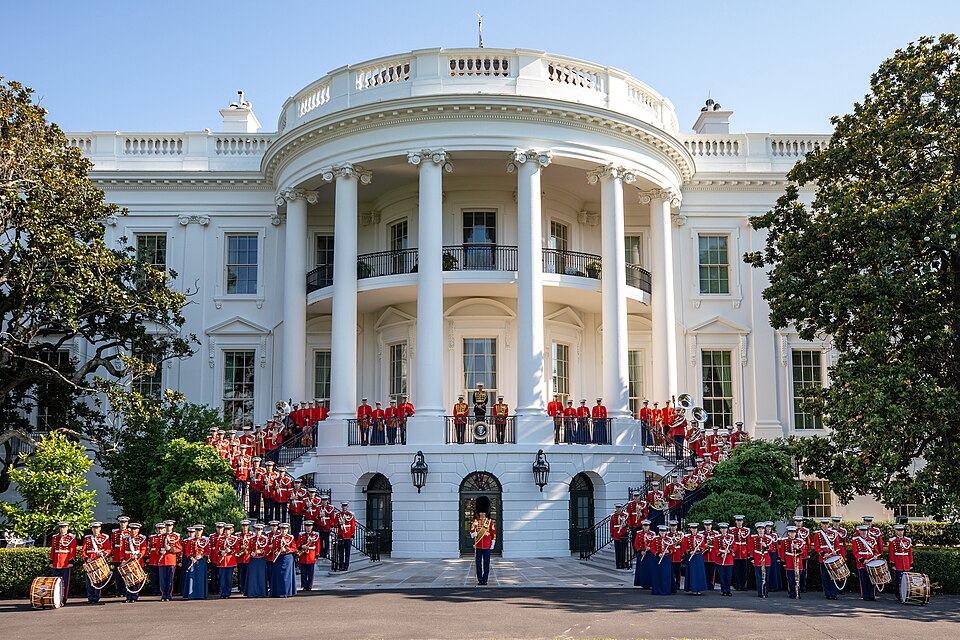
Every uniform worn by American service men and women tells a story of teamwork, safety, and history! Service members wear two main types: everyday Operational (Working) uniforms and special Ceremonial (Dress) uniforms.
An important word to know in this book is (in-SIG-nee-uh). Insignia means: Official badges, chevrons, stripes, or pins worn on a uniform to show a service member's branch, rank, and qualifications. Learning about Insignia helps us understand how Service Members in Uniform: Operational, Dress & Honor Guard Guide fits into 🎖️ Service Members in Uniform & Hearts of Service Humanitarian Missions.
Key Features
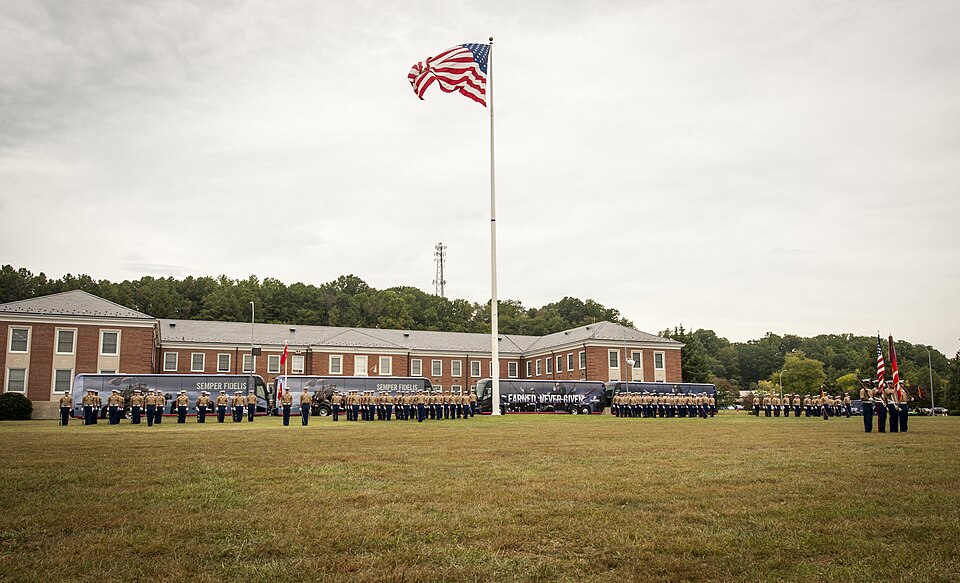
Soldiers wear the Operational Camouflage Pattern (OCP) and heritage Army Greens; Marines wear digital MARPAT utility uniforms and famous dark-blue Dress Blues with a scarlet stripe; Sailors wear crisp white "" with a 13-button flap and wide jumper collar!
Scientists and explorers also look closely at (KRAK-er-jaks), which means: The affectionate nickname for the U.S. Navy's traditional enlisted Service Dress Blue and White jumper uniforms with wide collars. These special traits make Service Members in Uniform: Operational, Dress & Honor Guard Guide easy to spot and study.
How It Works
Air Force and Space Force pilots wear fire-resistant Nomex flight suits and distinctive blue service dress coats, while Coast Guard Helicopter Rescue Swimmers wear bright orange dry suits, fins, and helmets to dive into icy storm waves!
Here is another helpful term: (MAR-pat and oh-see-pee). It means: Marine Pattern (MARPAT) and Operational Camouflage Pattern (OCP)—durable utility uniforms worn for daily training and field work. Step by step, and MARPAT & OCP work together.
In Our World
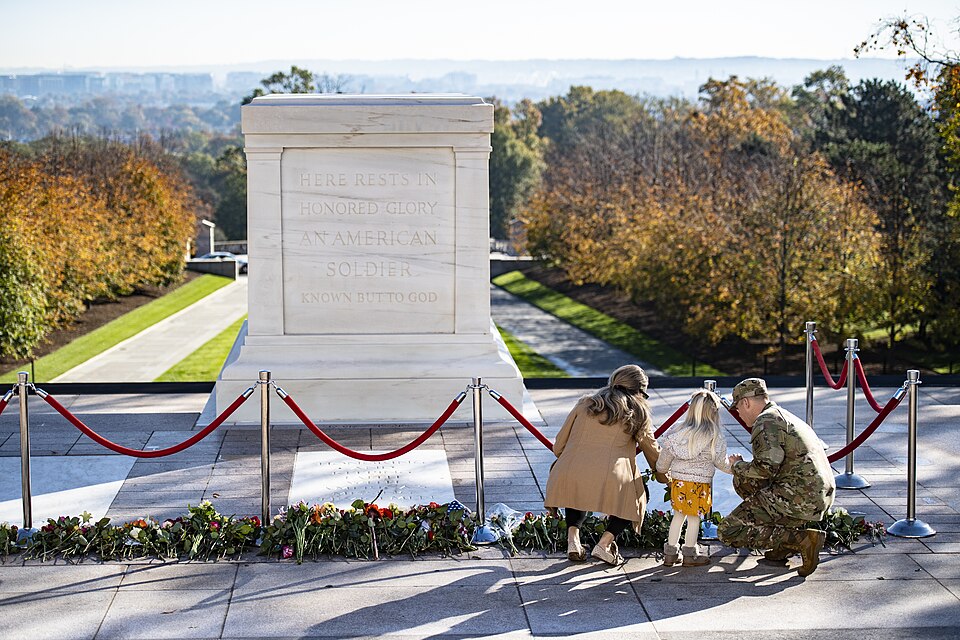
At Arlington National Cemetery in Virginia, Sentinels of the Army's Old Guard wear wool dress uniforms with silver Tomb Guard badges as they honor fallen heroes 24 hours a day.
Understanding how Service Members in Uniform: Operational, Dress & Honor Guard Guide works in our world also involves (KRAK-er-jaks): The affectionate nickname for the U.S. Navy's traditional enlisted Service Dress Blue and White jumper uniforms with wide collars. Even when surrounding conditions shift across seasons or regions, the interaction between , Crackerjacks, and helps sustain balance and resilience in the wider environment.
Amazing Facts
Amazing Fact #1: Why do traditional enlisted U.S. Navy "Crackerjack" trousers have 13 buttons across the front flap? Sailors honor the original 13 American Colonies!
Amazing Fact #2: The Marine Corps Blue Dress coat's high standing collar traces back to the leather "stock" neckband worn by Continental Marines in 1775!
Amazing Fact #3: The Tomb of the Unknown Soldier Identification Badge worn at Arlington, Virginia, is one of the rarest badges in the U.S. military—fewer than 750 have been earned since 1958!
Read & Review
Let's review what we discovered about Service Members in Uniform: Operational, Dress & Honor Guard Guide! In this book, we explored how , , and connect to 🎖️ Service Members in Uniform & Hearts of Service Humanitarian Missions.
Key Question #1: What is the central focus of Service Members in Uniform (All 6 Branches Visual Guide)? Answer: Operational, Ceremonial & Honor Guard Uniforms Across All 6 Branches — Tradition, Rank , Safety Protection & Esprit de Corps. Service Members in Uniform (All 6 Branches Visual Guide) highlights Operational, Ceremonial & Honor Guard Uniforms Across All 6 Branches (Tradition, Rank Insignia, Safety Protection & Esprit de Corps).
Key Question #2: Which key detail or operational highlight belongs to Service Members in Uniform (All 6 Branches Visual Guide)? Answer: OCP & MARPAT Utility • Marine Dress Blues • Navy • USCG Rescue Gear. Key highlight: OCP & MARPAT Utility • Marine Dress Blues • Navy Crackerjacks • USCG Rescue Gear.