Introduction
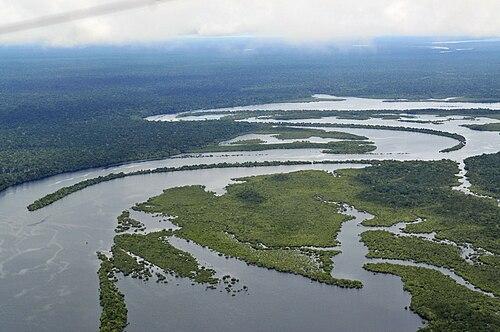
Imagine a towering, 60-meter-tall (200-foot) living skyscraper built entirely out of trees, vines, and flowers—where every floor has its own climate, sunlight level, and wildlife! That is a Tropical Rainforest, divided vertically into four distinct living layers: the , the , the , and the Forest Floor.
A foundational concept in this investigation is (pronounced ih-MUR-juhnt LAY-er), which refers to: The highest rainforest layer (up to 70 meters), made of giant isolated trees towering above the main . Every part of Inside the Tropical Rainforest: The 4 Living Layers within 🌴 World Biomes: Savannas, Jungles & Rainforests builds upon this essential concept.
In Grade 5 advanced nonfiction inquiry across Nature & Environment (🌴 World Biomes: Savannas, Jungles & Rainforests), synthesizing primary evidence around , , and reveals how complex systems operate and adapt over time.
Key Features
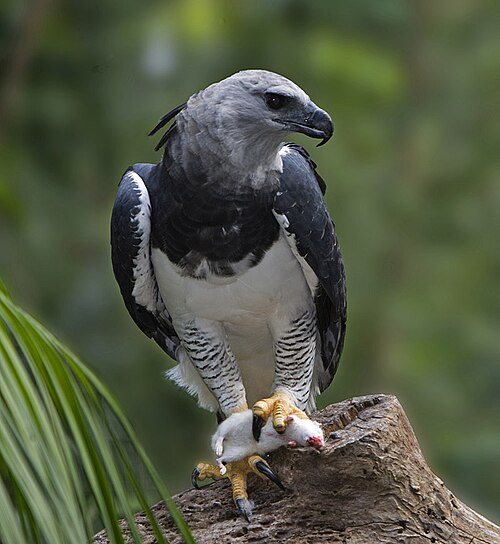
At the very top, giant trees like the Brazil nut and kapok poke above the forest roof up to 60–70 meters high into the , braving hot sun and strong winds where Harpy Eagles, bats, and morpho butterflies soar. Below them (at 30–45 meters) sits the —a dense, sunlit green ceiling of overlapping branches and liana vines where 60% to 80% of all rainforest wildlife lives, including toucans, sloths, howler monkeys, and tree frogs!
To analyze these defining traits accurately, specialists examine (KAN-uh-pee): The thick, sunlit roof of overlapping tree crowns 30 to 45 meters up that houses the majority of rainforest fruits, flowers, and animals. Alongside (The highest rainforest layer (up to 70 meters), made of giant isolated trees towering above the main canopy.), these specialized characteristics set Inside the Tropical Rainforest: The 4 Living Layers apart within 🌴 World Biomes: Savannas, Jungles & Rainforests.
Field Observation & Evidence: Researchers studying Inside the Tropical Rainforest: The 4 Living Layers observe how physical form matches function in Nature & Environment. Each observable feature provides a clear advantage that supports stability, survival, or performance across changing conditions.
How It Works
Beneath the thick roof, only 2% to 5% of sunlight filters down into the humid, dim Layer (5–25 meters high). Here, plants like philodendrons grow huge, wide dark-green leaves to catch every stray beam of light, while jaguars, ocelots, boa constrictors, and glass frogs hunt in the shadows. Finally, at the bottom lies the dark Forest Floor, where less than 2% of sunlight reaches!
This step-by-step process relies on (pronounced UN-der-stor-ee), defined as: The shaded, humid middle layer between the and the ground where large-leafed shrubs, tree frogs, and jaguars live. Each stage of the process prepares the way for the next phase to unfold.
Cause-and-Effect Balance: When conditions remain balanced, and interact inside the to keep the system running smoothly. If any single link in this sequence is disrupted, the entire pace of activity shifts.
In Our World
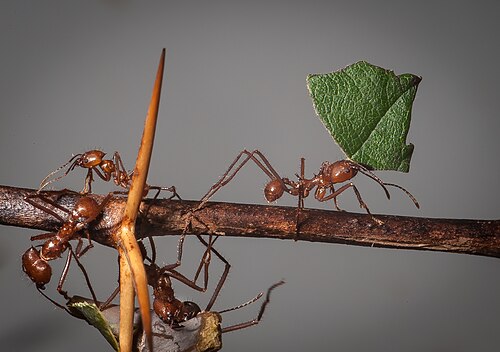
Because the blocks the wind and traps moisture, a tropical rainforest makes up to half of its own rainfall through transpiration—releasing mist that rises into rainclouds every afternoon! On the dark Forest Floor, an army of decomposers—leafcutter ants, velvet worms, millipedes, termites, and glowing fungi—breaks down fallen leaves and fruit in just 6 weeks (compared to 1 to 2 years in a northern forest) so massive tree roots can immediately recycle the nutrients!
Understanding how Inside the Tropical Rainforest: The 4 Living Layers functions in real environments also involves (KAN-uh-pee): The thick, sunlit roof of overlapping tree crowns 30 to 45 meters up that houses the majority of rainforest fruits, flowers, and animals. Even when surrounding conditions shift across seasons or regions, the interaction between , Canopy, and helps sustain balance and resilience in the wider environment.
Global & Practical Significance: Sunlight decreases from 100% at the down to under 2% at the Forest Floor. Furthermore, The sunlit is the powerhouse of photosynthesis and food production in the rainforest.
Amazing Facts
1. Remarkable Scale & Numbers: Tropical rainforests cover only about 6% of Earth’s land surface, yet they are home to more than 50% of all plant and animal species on the planet! This discovery highlights why is central to understanding Inside the Tropical Rainforest: The 4 Living Layers.
2. Extraordinary Adaptation & Design: The Harpy Eagle of the has talons as large as a grizzly bear’s claws—strong enough to snatch a sloth or monkey right off a high branch! Specialized conditions involving Canopy make these adaptations possible.
3. Surprising Scientific & Historical Record: Millions of Leafcutter Ants on the forest floor march in long highways carrying cut leaf pieces 20 times their body weight—not to eat the leaves directly, but to fertilize underground fungus gardens that feed their colony! Over time, processes linked to leave a lasting mark across 🌴 World Biomes: Savannas, Jungles & Rainforests.
Read & Review
Chapter Synthesis: Throughout this investigation of Inside the Tropical Rainforest: The 4 Living Layers in Nature & Environment (🌴 World Biomes: Savannas, Jungles & Rainforests), we examined its core foundations, defining traits, step-by-step mechanisms, and real-world connections using key terms like , , and .
Academic Vocabulary Review: • (ih-MUR-juhnt LAY-er): The highest rainforest layer (up to 70 meters), made of giant isolated trees towering above the main . • Canopy (KAN-uh-pee): The thick, sunlit roof of overlapping tree crowns 30 to 45 meters up that houses the majority of rainforest fruits, flowers, and animals. • (UN-der-stor-ee): The shaded, humid middle layer between the canopy and the ground where large-leafed shrubs, tree frogs, and jaguars live.
Critical Thinking Check: (1) What are the four vertical layers of a tropical rainforest in order from TOP to BOTTOM? — 1. → 2. → 3. → 4. Forest Floor. (2) Which of the four rainforest layers contains 60% to 80% of all rainforest wildlife (including toucans, sloths, and monkeys), and why? — The Canopy, because abundant sunlight produces a year-round feast of fruits, flowers, nectar, and leaves.