Introduction
Across every continent, families gather for special annual holidays filled with glowing lights, music, traditional foods, and gratitude for loved ones! Exploring three vibrant celebrations—Diwali, Lunar New Year, and Día de los Muertos—shows how cultures around the world celebrate light, renewal, and family memory.
A foundational concept in this investigation is (pronounced DEE-yuh), which refers to: A small traditional clay lamp filled with oil or ghee and a cotton wick, lit in rows during the Diwali Festival of Lights. Every part of Holidays Around the World: Diwali, Lunar New Year & Día de los Muertos within Global Cultures & Traditions builds upon this essential concept.
In Grade 3 Social Sciences & Culture studies (Global Cultures & Traditions), understanding how , , and work together helps explain real-world patterns. As you read each chapter, notice how these key terms connect structure, process, and environment.

Key Features
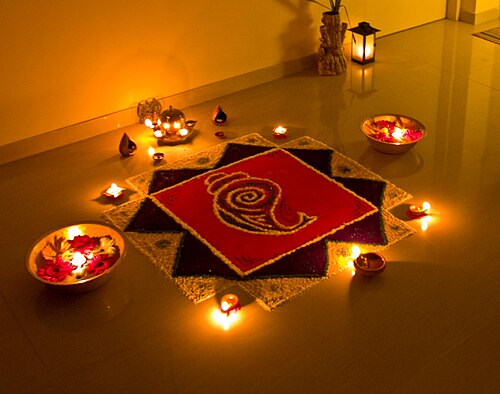
1) Diwali (the "Festival of Lights," celebrated in autumn across India and the global diaspora by Hindus, Sikhs, and Jains) celebrates the victory of light over darkness, knowledge over ignorance, and good over evil. Families light rows of clay oil lamps called diyas, create colorful rangoli floor art out of colored powders and flower petals, and share sweets (mithai).
To analyze these defining traits accurately, specialists examine (oh-FREN-duh): A colorful home altar decorated with photos, marigolds, candles, and favorite foods to welcome the memory of ancestors during Día de los Muertos. Alongside (A small traditional clay lamp filled with oil or ghee and a cotton wick, lit in rows during the Diwali Festival of Lights.), these specialized characteristics set Holidays Around the World: Diwali, Lunar New Year & Día de los Muertos apart within Global Cultures & Traditions.
Field Observation & Evidence: Researchers studying Holidays Around the World: Diwali, Lunar New Year & Día de los Muertos observe how physical form matches function in Social Sciences & Culture. Each observable feature provides a clear advantage that supports stability, survival, or performance across changing conditions.
How It Works
2) Lunar New Year (celebrated as Chūnjié / Spring Festival in China, Tết in Vietnam, and Seollal in Korea) begins on the second new moon after the winter solstice! Families sweep their homes clean to sweep away bad luck, hang red lanterns, watch energetic Lion and Dragon Dances, eat long longevity noodles and dumplings (shaped like ancient silver ingots), and give children lucky red envelopes (hóngbāo).
This step-by-step process relies on (pronounced loo-nee-SOH-ler KAL-uhn-der), defined as: A calendar based on the monthly cycles of the Moon’s phases as well as the solar year, used to set the date of Lunar New Year and Diwali. Each stage of the process prepares the way for the next phase to unfold.
Cause-and-Effect Balance: When conditions remain balanced, and interact inside the to keep the system running smoothly. If any single link in this sequence is disrupted, the entire pace of activity shifts.
In Our World
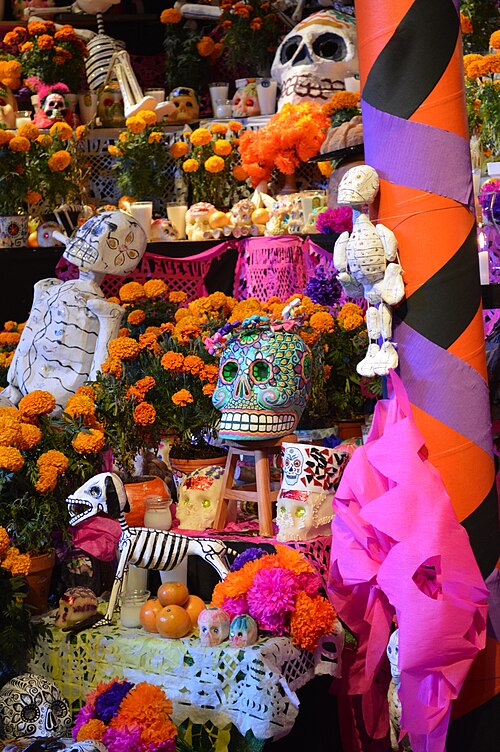
3) Día de los Muertos ("Day of the Dead," celebrated November 1–2 in Mexico and across Latin America) is not a spooky holiday like Halloween—it is a joyful, loving family reunion honoring ancestors who have passed away! Families build colorful home altars (ofrendas) decorated with bright orange Mexican marigolds (cempasúchil), intricate cut-paper banners (papel picado), sugar skulls (calaveras), pan de muerto bread, and photos of beloved grandparents.
Understanding how Holidays Around the World: Diwali, Lunar New Year & Día de los Muertos functions in real environments also involves (oh-FREN-duh): A colorful home altar decorated with photos, marigolds, candles, and favorite foods to welcome the memory of ancestors during Día de los Muertos. Even when surrounding conditions shift across seasons or regions, the interaction between , Ofrenda, and helps sustain balance and resilience in the wider environment.
Global & Practical Significance: Diwali celebrates light triumphing over darkness across Hindu, Sikh, and Jain traditions. Furthermore, Día de los Muertos is a warm, celebratory tradition of family remembrance.
Amazing Facts
1. Remarkable Scale & Numbers: The word "Diwali" comes from the Sanskrit word Deepavali, which literally means "a row of lighted clay lamps (diyas)"! This discovery highlights why is central to understanding Holidays Around the World: Diwali, Lunar New Year & Día de los Muertos.
2. Extraordinary Adaptation & Design: The Lunar Zodiac cycles through 12 animals in order: Rat, Ox, Tiger, Rabbit, Dragon, Snake, Horse, Goat, Monkey, Rooster, Dog, and Pig! Specialized conditions involving make these adaptations possible.
3. Surprising Scientific & Historical Record: In 2008, UNESCO added Mexico’s Día de los Muertos tradition to its list of the Intangible Cultural Heritage of Humanity! Over time, processes linked to leave a lasting mark across Global Cultures & Traditions.
Read & Review
Chapter Synthesis: Throughout this investigation of Holidays Around the World: Diwali, Lunar New Year & Día de los Muertos in Social Sciences & Culture (Global Cultures & Traditions), we examined its core foundations, defining traits, step-by-step mechanisms, and real-world connections using key terms like , , and .
Academic Vocabulary Review: • (DEE-yuh): A small traditional clay lamp filled with oil or ghee and a cotton wick, lit in rows during the Diwali Festival of Lights. • (oh-FREN-duh): A colorful home altar decorated with photos, marigolds, candles, and favorite foods to welcome the memory of ancestors during Día de los Muertos. • (loo-nee-SOH-ler KAL-uhn-der): A calendar based on the monthly cycles of the Moon’s phases as well as the solar year, used to set the date of Lunar New Year and Diwali.
Critical Thinking Check: (1) What core theme does Diwali (the "Festival of Lights") celebrate with glowing clay diyas and colorful rangoli art? — The victory of light over darkness, good over evil, and knowledge over ignorance. (2) What is the true purpose of an (altar) decorated with orange marigolds and photos during Mexico’s Día de los Muertos? — To joyfully honor, remember, and celebrate the lives of beloved family members and ancestors who have passed away.